Valve has a way of keeping fans on edge that no one else comes close to. They vanish for years, tease nothing, and then drop a sequel in your hands that makes you rethink everything you thought a game could do. Case in point: Half-Life 2 completely rewrote how first-person shooters could tell a story, and Team Fortress 2 turned multiplayer shooters into something you could stare at for hours and still discover new quirks. Playing both back to back, you realize one thing: these games define their genres.
Videos by ComicBook.com
Which brings things to the inevitable future: to Half-Life 3. It is the ultimate unicorn of gaming, and if it ever comes to life, it won’t just be about crowning the long-awaited conclusion to Gordon Freeman’s journey. Its very existence would cast a long shadow over Valve’s other giant missing sequel, Team Fortress 3. Valve has always evolved these two franchises together, nudging them forward with new tech, art, and ideas. If Half-Life 3 becomes another generational leap, then Team Fortress 3 would almost have no choice but to rise alongside it.
How Half-Life and Team Fortress Have Always Evolved Together
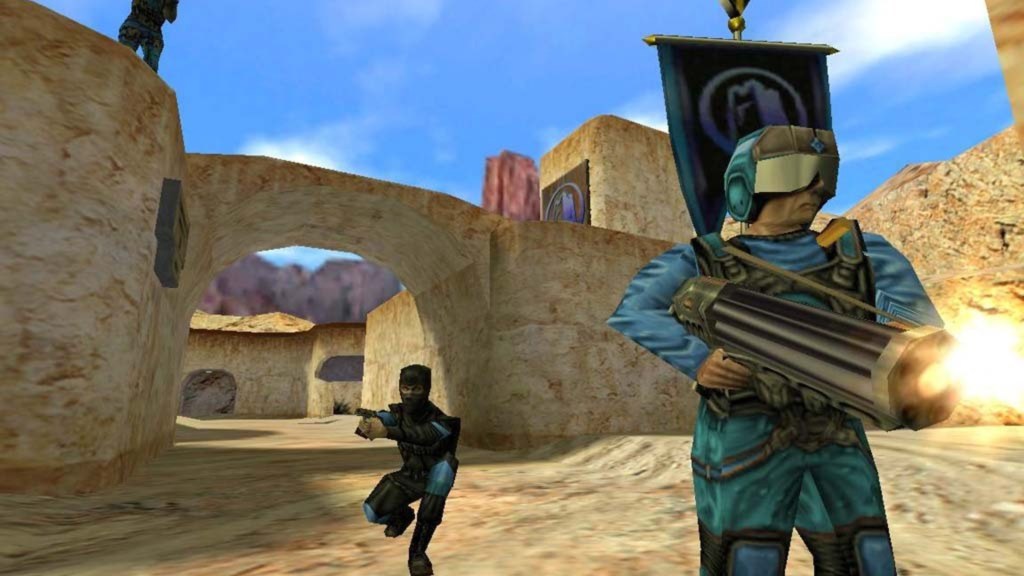
If you look at the history of these games, you can see the parallel evolution clearly. Half-Life and Team Fortress Classic both came out of the Quake engine mod scene, and both set foundations more than they perfected anything. Half-Life gave players an immersive, scripted story with physics and AI that felt genuinely convincing for the first time. Team Fortress Classic took Quake’s team-based gameplay and gave it a layer of identity, class-based roles, and multiplayer objectives. Neither was perfect, but both laid the groundwork for massive transformations.
Then came the sequels, many, many years later. Half-Life 2 pushed physics-driven gameplay, advanced AI, and cinematic storytelling in ways that nobody else was touching, at least to the degree that it did. Team Fortress 2, on the other hand, dropped its realistic soldier style and embraced a more playful, cartoony approach, but it also reinvented class dynamics, movement, and objectives in big ways that may not seem it at a glance. Valve was clearly experimenting across both series, testing how far they could push mechanics, tone, and player expectations. These were statements about how a game could evolve without losing its soul.
Team Fortress 2’s Art Shift Was the Real Revolution
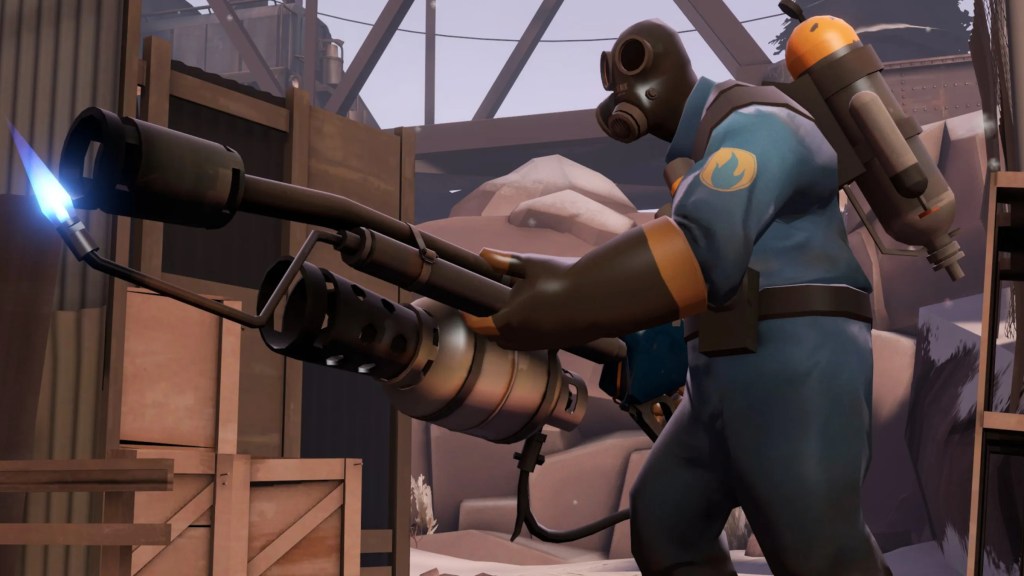
When Team Fortress 2 launched, nobody expected the art style to steal the spotlight. Many fans of Team Fortress Classic were skeptical at first, but the bold, colorful direction quickly became the game’s defining feature. Moving away from the gritty military look to stylized, exaggerated characters was a risk, but it paid off massively. The new style improved readability, gave the game a clear long-term vision, and made updates feel fresh for over a decade. But it wasn’t merely a visual choice. It affected gameplay, unknowningly to many. Every class felt distinct, every map became a stage, and every match played out like a carefully choreographed cartoon. TF2 showed just how much art direction can shape how players experience a game.
That shift mirrored what Valve did with Half-Life 2’s physics and pacing. The art allowed TF2 to grow without breaking, just like Half-Life 2’s engine and scripting allowed for more complex worlds. Looking back, it’s clear that Valve treats these sequels as experiments in evolution. They are willing to break from the previous established formula, but always in a way that respects what made the series beloved. That’s the kind of philosophy that makes you wonder what Half-Life 3, and by extension Team Fortress 3, might look like.
If Half-Life 3 Redefines the Formula, Team Fortress 3 Would Have to Follow
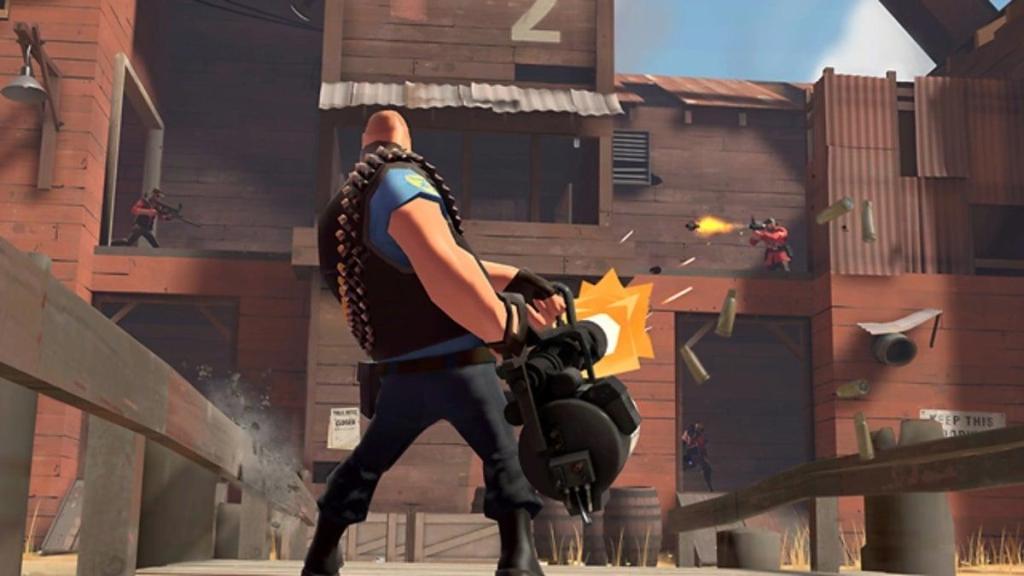
Here is the big question: what happens if Half-Life 3 does finally arrive and shakes everything up again? Valve has never made a generational leap in one series without creating ripple effects for the others. If Half-Life 3 actually lands and blows the doors off the industry, Team Fortress 3 cannot be some safe, half-baked side project. It would have to roar onto the scene, smash its old rules, and prove it can stand shoulder to shoulder with a game that just shook the world, for the third time. It would need to evolve its gameplay in parallel, or it risks feeling outdated. Fans would expect the same boldness, the same willingness to rethink core mechanics, and the same polish that made TF2 feel like a revolution when it arrived.
The more you think about it, the more obvious it becomes that these two franchises are inseparable in their evolution. Half-Life has always been the story-driven powerhouse, and Team Fortress the multiplayer playground. But Valve treats them like experiments in parallel universes. Any leap forward in one series naturally raises the stakes for the other. If Half-Life 3 ever lands, it won’t just be the end of a wait, folks. It will be a clarion call for Team Fortress 3 to step up, innovate, and show the same daring spirit that TF2 did all those years ago. And as someone who has spent countless hours in both worlds, I can’t wait to see what that could mean.
What do you think? Leave a comment below and join the conversation now in the ComicBook Forum!
Most Viewed
-

Sony Pictures -

Courtesy of Crunchyroll -

Image courtesy of The Pokemon Company -

Image Courtesy of Marvel Comics