FromSoftware has spent over thirty years refining its approach to fantasy gaming, developing long-running franchises like Armored Core, Bloodborne, and Dark Souls into genre-defining hits. In that time, they’ve also experimented with plenty of other franchises that ended up pushed to the sidelines. One of the most strangely memorable debuted on the GameCube on April 25, 2002.
Videos by ComicBook.com
Published by Activision, Lost Kingdom was a unique title for the GameCube that blended a fantasy action adventure with deck-building mechanics for a surprisingly engaging experience. The underlying fantasy tone and quick-paced gameplay were a lot of fun at the time and would benefit from modern tweaks to the deck-building formula in games. FromSoftware has plenty of great modern games, but it’s time they revived one of their most undersung classics.
The Game Mechanics Of Lost Kingdom Make For A Surprisingly Timeless Game
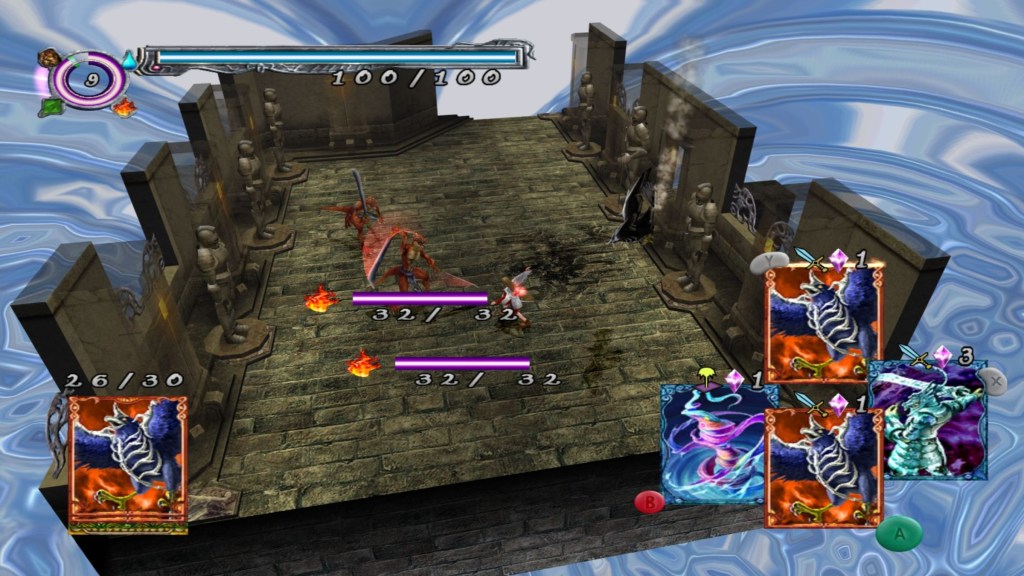
Released years before Dark Souls or Bloodborne, Lost Kingdoms remains a memorably strange approach to fantasy action that FromSoftware should revisit. Lost Kingdom follows the adventures of Katia as she sets out to save her kingdom from a malicious force. The game’s unique approach to combat was a real-time deck-building system. Players had to manage their deck strategy while also dodging enemy attacks in real-time, increasing the pacing of the typically deliberate card game format. It forces the player to be very specific in their movement and map control, as poor placement can get you killed or slaughtered.
Decks were customizable through cards that could quickly transform gameplay to suit the individual playstyle. Powering up the cards throughout your adventure had a rewarding feeling, especially as the challenge became more intense. The game’s relatively short run time may have left players wanting more, but it was a solid enough experience with enough customization to justify multiple playthroughs. There were even elements of companion RPGs like Pokémon, as players can actually capture enemies from the battlefield and convert them to cards for their deck. The game got solid reviews upon launch and was followed a year later by a sequel — but the direction of FromSoftware since then and larger trends in the industry highlight why the time might be right to bring back Lost Kingdoms.
Lost Kingdom Could Embrace Modern Trends To Refine Its Gameplay
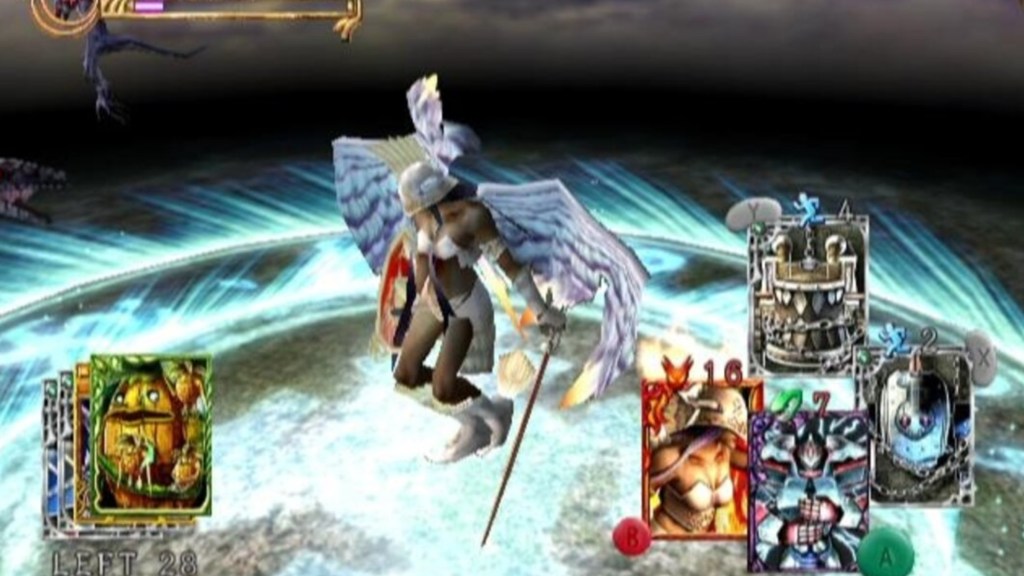
Lost Kingdom‘s potentially epic fusion of the deck-building game and FromSoftware fantasy adventures deserves another shot at the spotlight. Given how massive FromSoftware has expanded in the modern gaming space thanks to the paradigm-shifting success of Dark Souls, there’s plenty of room for a massive new Lost Kingdom to revive the series. The scope of something like Elden Ring, but with the natural challenge of collecting all the cards and creating the most powerful deck that comes with a Pokémon game, would be easily engrossing.
FromSoftware’s always had a habit of putting emphasis on dodging, parrying, and avoiding damage — the lack of formal combat from the protagonists of Lost Kingdoms games would be the ultimate example of that, a game where maneuverability is key as you strategize on the fly and utilize the map to your advantage. The deck-building elements of Lost Kingdom feel almost prophetic for the modern wave of games that utilize that approach. A new entry in the series could even incorporate roguelike elements similar to Slay the Spire or Baltaro, updating the adventure with more modern touches.
The Modern FromSoftware Could Fully Reinvent Lost Kingdom
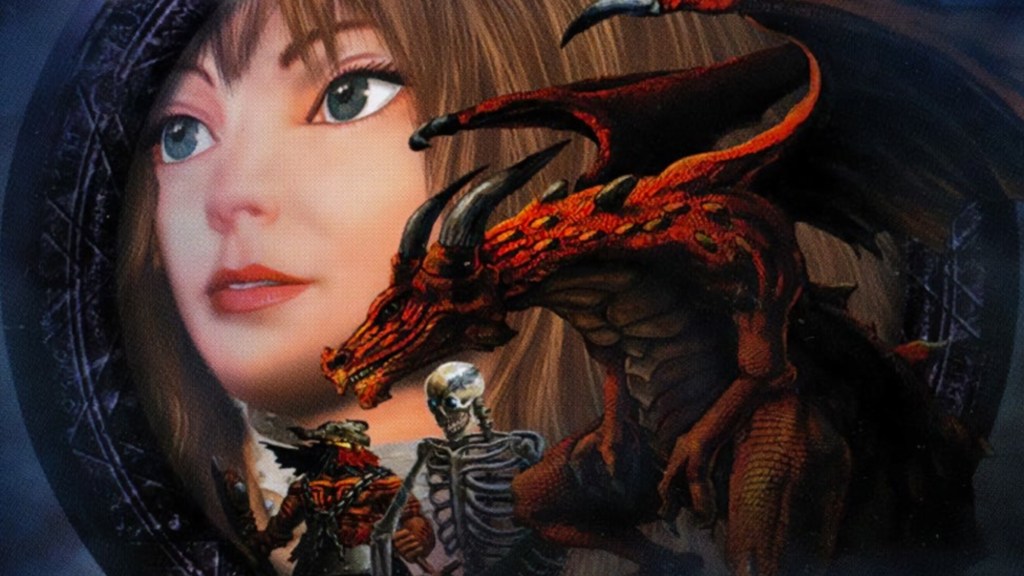
Lost Kingdoms was brightly colored and fairly basic in its storytelling, in direct contrast to the more unsettling and massive threats that fill the worlds of Dark Souls or Elden Ring. A new entry in the dormant card-battling series could take inspiration from the other games in FromSoftware’s library, indulging in darker storytelling and more complex characters. The monsters that could be captured and transformed into parts of your deck could be an easy excuse for the developers to create as many absurd monsters as they can, something that their action-heavy games have showcased in vivid (and vicious) detail.
A new Lost Kingdoms would benefit from the growth the company has gone through over the years, capable of expanding the realm of Argwyll into the sort of space that makes up games like Elden Ring. FromSoftware’s approach to recent games could easily translate to a more mature Lost Kingdoms that takes on the darker storytelling and aesthetic of their more recent games. The teams behind Elden Ring have shown off a generational talent for worldbuilding that could find plenty of excuses to create new creatures and pieces of the world through cards, with the gameplay mechanics of the card-based approach lending itself to big showcases. Lost Kingdoms looks especially solid in retrospect, a forerunner of some of this generation’s most revered fantasy-action games. A Lost Kingdoms 3 could be a great excuse to fuse some of gaming’s best modern styles into a single experience and would be a welcome revival.
More Gaming
-

Image Courtesy of Sony Interactive Entertainment -

Image Courtesy of Sony Interactive Entertainment -

Image Courtesy of IO Interactive