As gaming has evolved, many of the frustrating woes that plagued players have largely disappeared. From frustrating tank controls to restrictive gameplay mechanics, there are a lot of minor and major issues that those gaming today may never even experience. With so many of them in our proverbial rearview mirrors, one would be forgiven for thinking that there’s little wrong with the state of video games today. Of course, that’s a ridiculous notion, owing to the many, many, many problems with the industry, layoffs, monetization methods, and more.
Videos by ComicBook.com
Fortunately, despite all of that, we’ve managed to quash one of gaming’s worst trends, the scarcity of media. The era of being unable to find your favorite game in your local store, or, indeed, having missed out on it the first time around and needing to fork over hundreds of dollars as the price of old media continues to rise, is over. Yet, despite that, there’s still one problem gamers face today that is arguably worse. Players may no longer need to worry about getting their hands on a physical or digital copy of a game, but they do need to worry about said games going completely extinct and becoming unplayable.
Games Are Easier To Access Now Than Ever Before
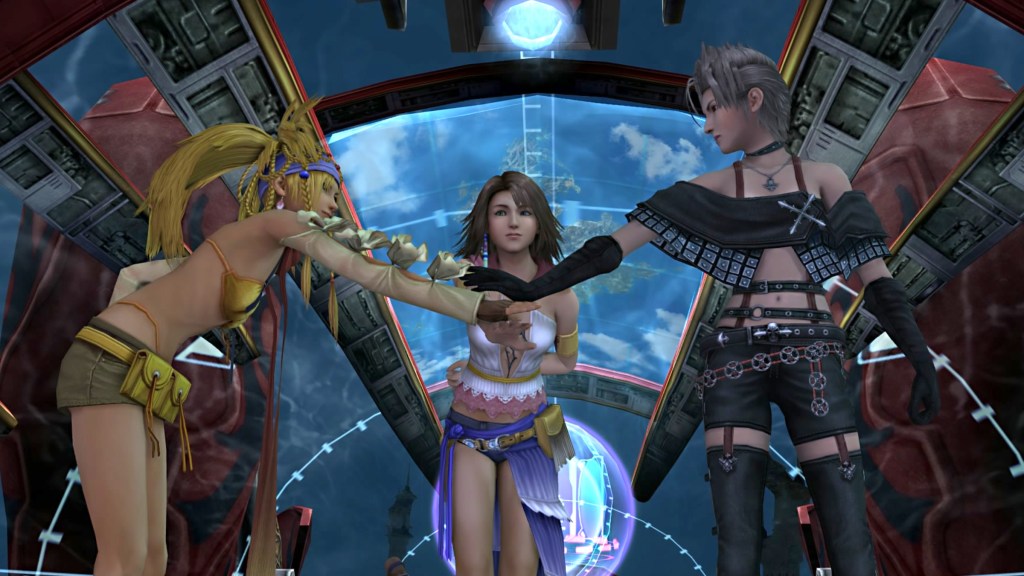
When I was a child, I remember walking into my local secondhand game store looking for Final Fantasy X. Alas, all I could see was Final Fantasy X-2. I assumed it must have been a deluxe edition of the game (the 2 in the name should perhaps have been a clue it was a sequel), so I picked it up and muddled my way through a somewhat confusing experience. The likes of Steam or even mainstream online buying weren’t quite as popular as they are now, and the preservation of media through digital content or mass production wasn’t in full swing. If you wanted to buy a game, you had to go out and find it, and if it wasn’t there, you just couldn’t get it.
Nowadays, gaming is such a widespread hobby that video games are produced on a far greater scale physically and are available on more digital platforms than ever before. Much has been said about Xbox’s move to ditch console exclusivity, but even that notion shows just how far we’ve come in making the hobby more accessible to a wider pool of people. You don’t need to settle for whatever your local store has on offer (although I still recommend supporting them whenever possible), as Steam holds over 100,000 games, and thousands of others are available on other digital storefronts. If you want to buy a game nowadays, you just go online and find it, whether it’s on Amazon or otherwise.

This is all fairly common knowledge at this point, but something that shouldn’t be taken for granted. The preservation of art and media is so incredibly important, and that’s easier than ever thanks to this shift in production and distribution. The death of scarcity, while perhaps leading to choice paralysis, does mean that games like Final Fantasy X are a mere click away now. However, a new problem has taken its place, one that is actually far worse, despite the significant strides taken to stop things like it from happening in the first place.
Live Service Titles Provide A New Problem For Gamers

The live service genre has its fair share of issues that have been well documented online. However, by far the biggest issue with live service games is their longevity, or rather, their lack of it. Live service games are designed to be inherently disposable, the lifespan of the servers hosting them tied to the amount of money coming in and consequently the player base supporting them. Essentially, once that player count drops or the publisher decides it isn’t worth supporting the game anymore, the live service game is removed from existence.
It isn’t just taken offline and left for players to enjoy as a single-player experience. This is the case occasionally, such as with Suicide Squad: Kill the Justice League (which is quickly reaching its impending doom), but more often, live service games are just rendered unplayable once their servers are taken offline. Entire games that had millions, if not hundreds of millions of dollars poured into them, teams of dedicated artists crafting them, and loyal fans who enjoy playing them are removed from existence. No other artform, beyond publicity stunts or socio-political statements, has had entire works deleted simply because they’re no longer supported.
Of course, there have been films lost to time due to the corrosion of the literal material they’re shot upon, or because they didn’t get enough widespread distribution at the time (much like video games 20 years ago). However, beyond that, if a film comes out in cinemas, or a work of art is displayed in a museum, or a book is published, you can find it, physically or otherwise, one way or another. Even some of the greatest forgotten video games are still accessible thanks to physical copies doing the rounds on secondhand sites like eBay. Live service games are an anomaly in the world of art, and a huge problem for modern gamers who invest time and money into them.
Game Preservation Is Incredibly Important in 2026
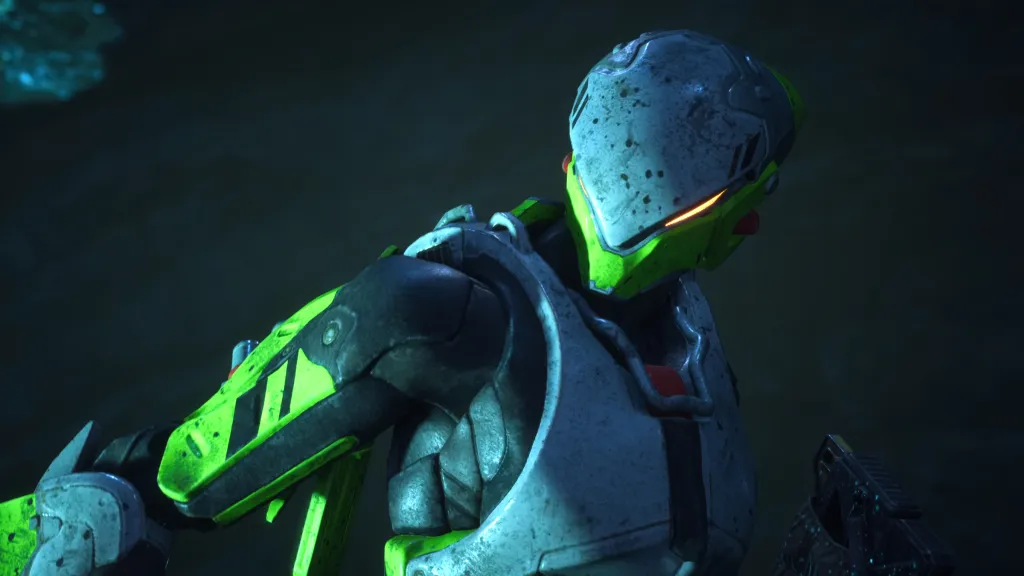
In 2025, after six years on the market, EA killed Anthem, the divisive game from the critically acclaimed and beloved studio, BioWare. Honestly, it was devastating, not just because an entire experience was rendered extinct at the press of a button, but because, among all the flaws, there was still a lot of fun to be had with Anthem. It also means that those new to gaming, or those just discovering BioWare’s works, will never get to experience it, warts and all. That’s a huge blow to game preservation, as are the deaths of many other games like it.
The loss of live service titles has sparked numerous petitions, including one that came about as a result of Ubisoft shutting down The Crew without implementing some form of offline mode. However, while, in some cases, developers have chosen to add a single-player experience to ensure their games are still playable long after the servers have blinked out of existence, many continue to just pull their games without a thought to preserving their legacy.
One can hope that, like video game scarcity, it will be a problem that is eventually solved. The integration of offline modes or a move away from this type of experience altogether would be hugely beneficial, but perhaps unreasonable. Whereas video game scarcity was solved merely by the increase in popularity of the medium and technological innovation, the death of live service games must be fixed at a publisher and developer level. Servers cannot be left online indefinitely, so offline modes must be prioritized, and they don’t come free. I sincerely hope that future gamers won’t have this issue and will write articles about how we all suffered through it.
What do you think? Leave a comment below and join the conversation now in the ComicBook Forum!
Most Viewed
-
Image courtesy of Tor Books/Macmillan -

Official art by Bastien Lecouffe-Deharme