Modern games have never looked better, sounded better, or staged bigger moments than they do right now. Studios are incredible at crafting spectacle, at building scenes meant to make your jaw drop and your heart race. But somewhere along the way, a lot of games forgot a simple truth. If the player is not the one doing the cool thing, the moment rarely sticks the way developers want it to.
Videos by ComicBook.com
Right now, too often games pull control away at the exact moment where agency should matter most. Instead of letting players fumble, adapt, or barely survive an incredible situation or do something that is utterly feat-worthy, developers fade to a cutscene, lock movement, or funnel everything into a quick time event. The game shows you something awesome, but it does not trust you to actually make it happen.
When Games Take Control Away at the Exact Wrong Moment
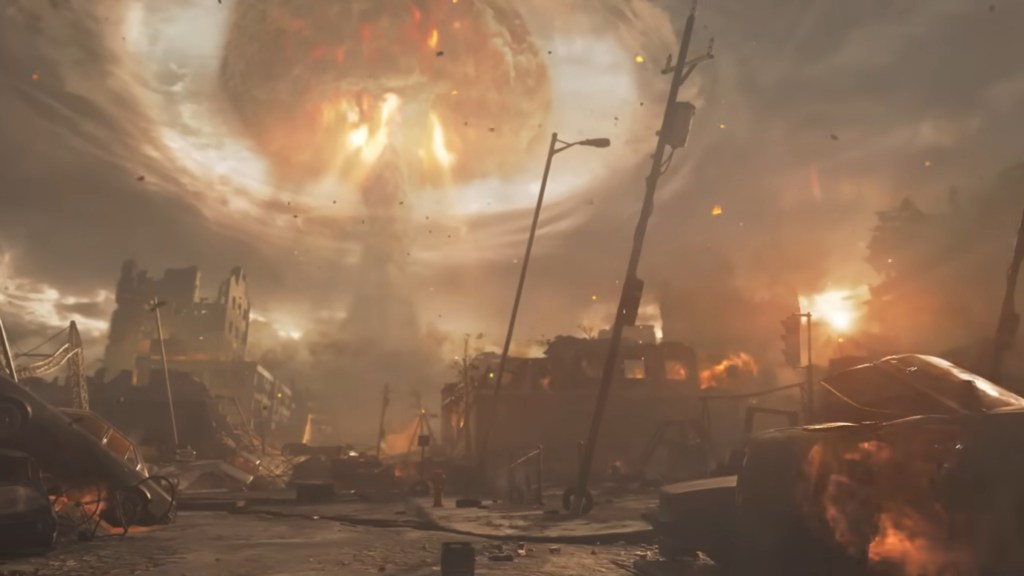
Call of Duty is one of the clearest examples of this problem, and it has been doing it for years. The series is famous for its bombastic set pieces, collapsing buildings, exploding helicopters, and high-stakes chases, just to name a few things. Yet right when things get wild, control is often ripped away. You might sprint through a war zone only for the game to seize your camera so you can watch a scripted explosion. Or worse, a big moment gets reduced to a single button prompt that exists purely to keep you awake during a cutscene. The game wants you to feel like an action hero, but it refuses to let you actually be the one doing the action, outside of shooting galleries, of course.
Rockstar has a similar issue, even in games as acclaimed as Red Dead Redemption 2. The world is incredibly detailed and reactive, but story missions are notoriously rigid. Step slightly outside the intended path during a dramatic chase or shootout, and the mission threatens failure. Cinematic moments are perfectly framed, but they are also tightly controlled, leaving no room for creativity or player expression. You are participating, but only within invisible walls that constantly remind you that this is not really your moment.
Sony’s big narrative blockbusters are not immune either. Games like God of War Ragnarok deliver stunning scenes filled with emotional weight and epic scale, yet many of their most memorable moments are heavily scripted. Finishing off Baldur toward the end of its prequel was reduced to a quick-time cutscene, rather than you performing the much-anticipated beatdown. Boss fights shift into cinematic sequences where player input is limited, or story beats resolve through non-interactive scenes instead of gameplay. The spectacle lands, but the lack of trust in the player creates a subtle distance. You are watching greatness instead of wrestling with it.
Why Interactive Moments Outshine Cinematics
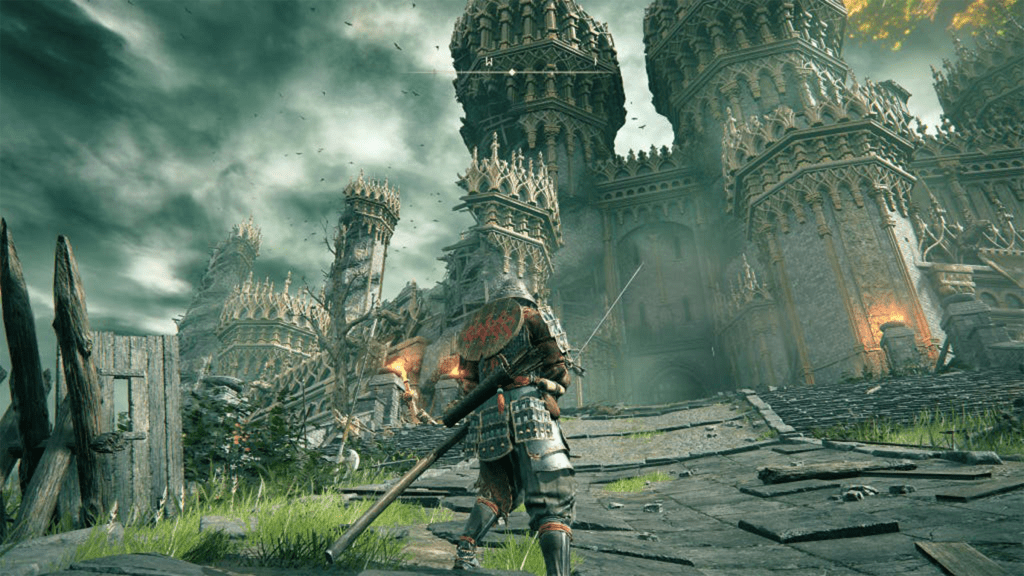
The frustrating part is that games already know how powerful true player-driven moments can be. Some of the most talked-about experiences in gaming history come from systems colliding in unexpected ways. Think about barely surviving a chaotic fight with one health left, or improvising a solution the developer probably never planned for. Those moments feel personal because they belong to the player, not the script.
Games that lean into trust tend to linger in memory far longer. Titles like Elden Ring or Helldivers 2 are not afraid to let players fail publicly and messily. When something incredible happens in those games, it usually happens because the player made a risky choice, learned from mistakes, or adapted under pressure. There is no cutscene safety net waiting to catch you. The game believes you can handle the responsibility of the moment.

Trusting players does require more development time and more design iteration. Systems need to be flexible. Levels need to account for multiple outcomes. Animations cannot always be perfectly choreographed. But the payoff is worth it. When a game allows players to actually perform its most exciting moments, it creates stories people love to share. Not because they saw something impressive, but because they did something impressive themselves.
This is not an argument against cinematics entirely. Cutscenes still have their place, especially for character development and pacing. The issue is overreliance. When every major moment is locked behind a non-interactive sequence, games stop feeling like games and start feeling like expensive movies with occasional controller input. Players do not want less spectacle. They want ownership over it, even if that means the result is imperfect.
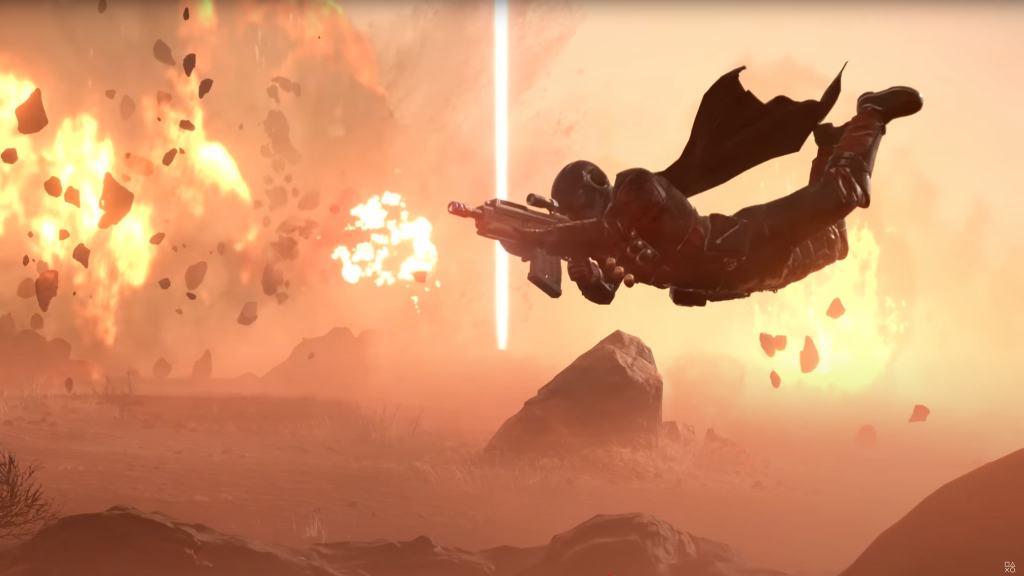
In the grand scheme, this issue is far from the main problem with modern games, but it is still a prevalent one. That they do not trust players enough to meet ambition halfway. Letting go of control is scary, but it is also what makes interactive media so special. If developers are willing to give players more responsibility during the biggest moments, the payoff will not just be cooler scenes. It will be moments players remember for the rest of their gaming lives.
What do you think? Leave a comment below and join the conversation now in the ComicBook Forum!
Most Viewed
-

Image via Prime Video -

Courtesy of Toei Animation