Gender representation in gaming can be a tricky proposition to discuss, especially given some of the more temperamental sides of the industry and larger fan base. Certain games and characters take a nuanced approach to female characters and players, while others use women as props — at best. It’s something that can still set off heated debate in the modern era, with a controversial history that can see major steps forward and backwards at any given point.
Videos by ComicBook.com
That’s partly what makes the massive success of one of gaming’s first leading ladies all the more impressive in retrospect. While Ms. Pac-Man may not be the most complex character, she still stands out in gaming history as one of the first success stories for a female-led game. While that success comes with certain caveats that remain relevant today, the impact of her arcade game’s release also quietly foretold a shift in gaming development that began to see more female characters stepping into the spotlight.
Ms. Pac-Man Debuted Over Forty Years Ago
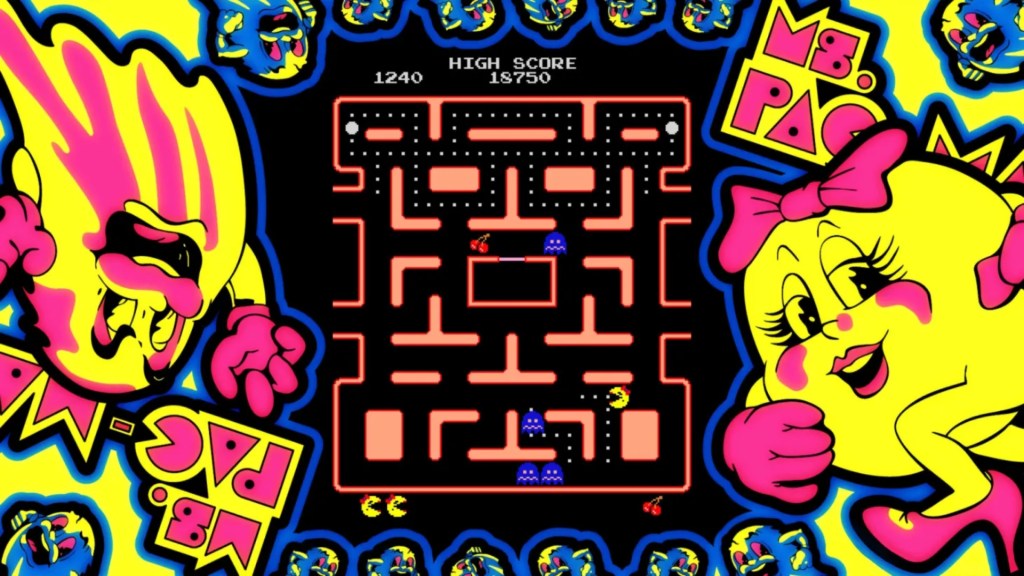
Debuting on February 3, 1982, Ms. Pac-Man stands out as one of the first female leads in gaming — even if her debut title raises some issues with gender representation in the industry that are still issues in the modern day. In light of the massive success of the arcade classic Pac-Man in 1980, sequels seemed like an inevitability. General Computer Corporation made a modified take on the game and dubbed it Crazy Otto. However, when GCC had to settle a lawsuit with Atari over their arcade conversion kits, they took their finished Pac-Man riff to Namco’s American distributor, Midway. Excited by the opportunity to capitalize on the popularity of Pac-Man, Midway moved forward with the game. It was reworked to be more in line with the original Pac-Man, albeit with a new female lead character.
Initially dubbed Pac-Woman, the character went through a number of renames before the developers settled on Ms. Pac-Man. As noted by several representatives from GCC and Midway, Pac-Man had been a surprising hit with women, further justifying the decision to put a female variant in the lead role for the sequel. Ms. Pac-Man is functionally a very similar game to the original Pac-Man, albeit with enhanced graphics and tweaked visuals. The most obvious difference was Ms. Pac-Man herself, distinguishable from her male counterpart by her beauty mark, red lips, and bright bow. Ms. Pac-Man improved on the formula established in the first game and quickly turned into a hit, all while actually establishing a brief narrative in between levels by depicting the romance between the Pac-Man leads and the eventual birth of their son.
Why Ms. Pac-Man Matters In Gaming History
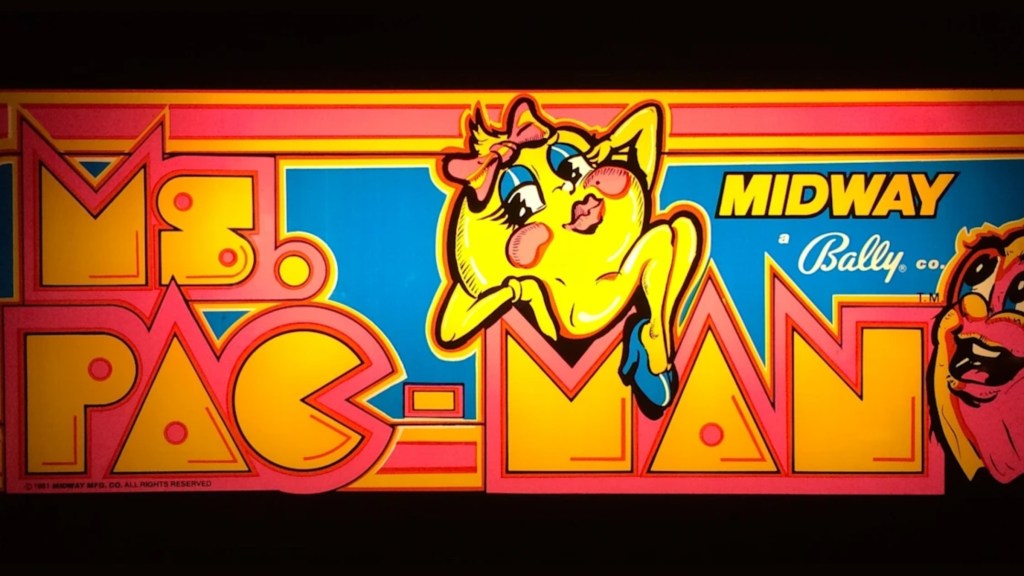
While there had technically been an earlier arcade game titled Score that had female characters, that title is now considered to be lost media. By contrast, Ms. Pac-Man became an arcade sensation, even supplanting the previous game in critical appraisals and rankings. It was also notably one of the first prominent video games to feature a female playable character at all. This was an era where women in games were usually depicted as damsels in distress, like Pauline in Donkey Kong. That sentiment would carry on to home consoles, with the likes of Princess Peach and Princess Zelda initially being portrayed as “prizes” that the heroes adventured to save.
By contrast, Ms. Pac-Man saw the lead character set off on her own adventure. That’s not to say Ms. Pac-Man is always heralded as a true feminist creation. Her distinction from the original Pac-Man is largely predicated on her feminine attributes; she lacks much in the way of distinct personality, and the game’s bare-bones plot focuses on her domestic life. The game also served as an early example of female characters in gaming being derivative of established male characters/male-centric titles. These are issues that still haunt the conversation about the representation of gender in modern gaming, although in the subsequent years, there have been plenty of advancements in terms of representation.
It would only be a few years after Ms. Pac-Man that characters like Samus Aran would come onto the scene, and Princess Peach would become a playable option in Super Mario Bros. 2. Ms. Pac-Man‘s most important place in gaming history may quietly stem from the sheer success of the arcade title, and the way the character was designed to be overtly feminine. Even beyond the bow, her beauty mark and lipstick were used prominently in then-promotional material for the new game, drawing attention to her as the arcade’s new “femme fatale.” Even the arcade cabinets themselves highlighted her female qualities in contrast to the more abstract Pac-Man. Ms. Pac-Man may not have been the most progressive or fully fleshed-out character, but she still stands out as one of the earliest examples of gaming placing a female character in the spotlight — and the success of that title, especially with female players, highlighted to developers that women could headline games.
Most Viewed
-

Courtesy of Eight-Bit -

Courtesy of Crunchyroll -

Courtesy of Kadokawa / Shosetsuka ni Naro -

Image Courtesy of Marvel Comics -

Image Courtesy of Netflix