Onimusha: Way of the Sword is a return to form for the long-dormant series, bringing back the “samurai vs. demon” action of the classic titles. Onimusha was a fan-favorite Capcom series of the early 2000s, with several titles released between 2001 and 2006. Since then, though, there have only been a handful of entries in the series. That’s a big part of what makes Way of the Sword such an exciting prospect.
Videos by ComicBook.com
The new game gets the chance to modernize the action for a new generation of gamers who have a better handle on the mechanics of a parry-heavy combat system, building on the Dark Souls era to great effect. During a recent preview event held in Los Angeles attended by the media (including ComicBook), members of the press got the chance to see how the action holds up on modern platforms, including the Switch 2. The results are promising for anyone who is a fan of tightly constructed action and cinematic battles, even on Nintendo’s portable platform.
Onimusha: The Way of the Sword’s Tight Combat Is The Point Of The Game
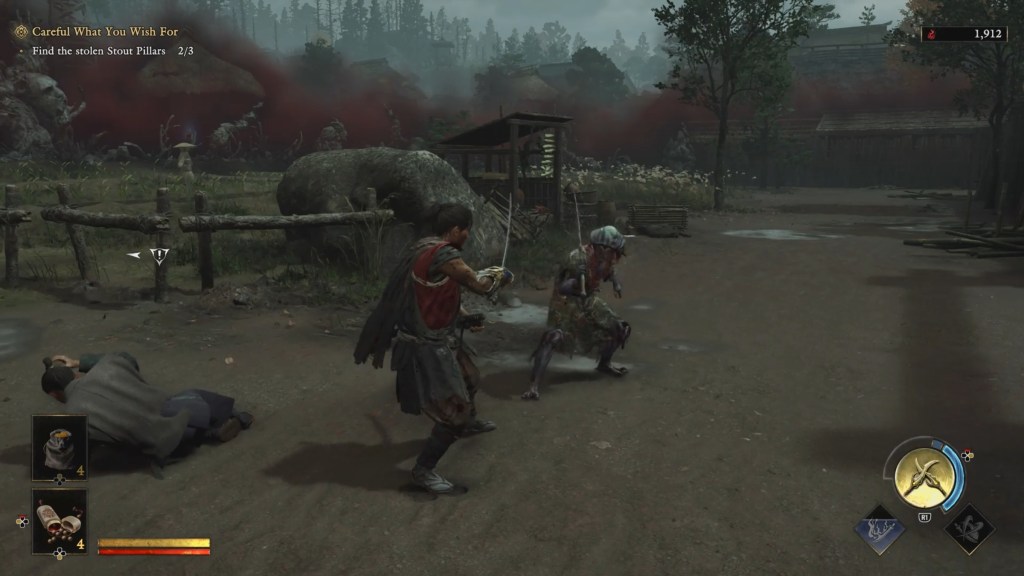
Onimusha: The Way of the Sword is a tightly constructed action game that uses some pretty haunting imagery and characters as fodder for tense combat. The extended demo of the game made available to the press focused on Miyamoto Musashi as he contends with demons across a monster-infested version of Kyoto during the Edo period. The gameplay is largely rooted in exploring the grim version of 15th-century Japan, saving civilians and clearing out the corrupting blight. Combat is the central focus of the gameplay, with players tasked with juggling powerful strikes, slick parries, and precise dodges. Musashi can slice through smaller enemies with quick combos and deliver powerful blows in a chain of strikes, with a cinematic flourish that lends itself well to Capcom’s impressive visuals.
The bigger challenges, whether that be facing off with hordes of enemies or deadly boss characters, rely on quick adaptability and perseverance. While the initial battles were easy enough, there were a couple of enemies during my playthrough that demanded extended attention to contend with. Throughout the experience, players get assistance from the magical entity living in his cursed gauntlet, which allows you to claim the souls of the defeated that serve as health boosts, stamina recovery, and resources for upgrades.
It’s a functionally simple game that gains more combat depth as players upgrade Musashi to fit their preferred style of play. Exploring Kyoto allows players to embark on side-missions or save civilians, a mechanic that rewards the player and expands the scope of the setting. It’s a game where the adventure is the focus, where players can lose themselves in mastering the blade to a point where every demonic encounter feels like a mini-action movie. Onimusha: Way of the Sword benefits from a strong execution that is reflected in the graphics, controls, and worldbuilding, with a sharpness to the design that perfectly reflects the sword that players are going to be seeing a lot of.
Live Your Samurai Dreams With Onimusha On Switch 2
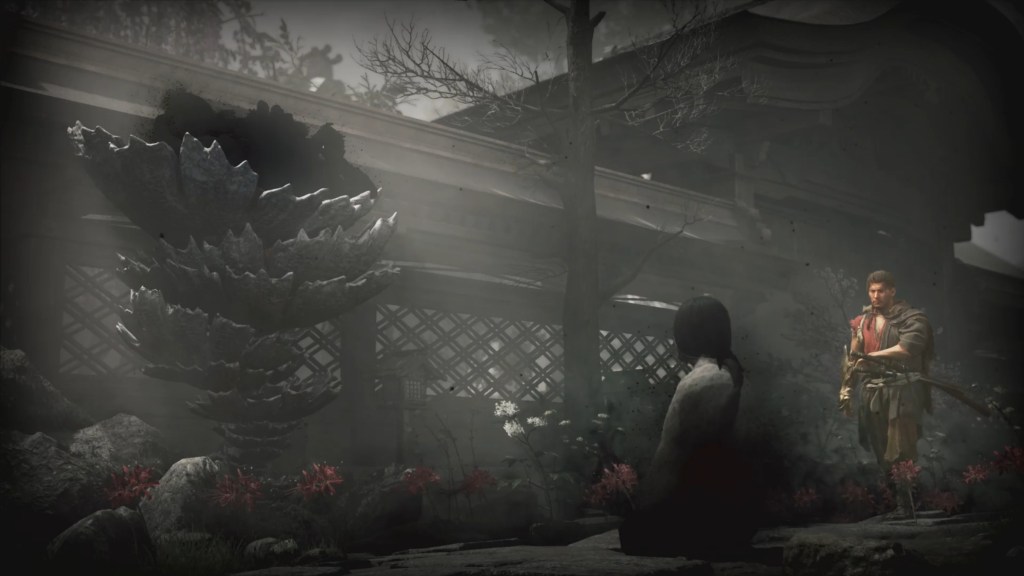
The gameplay of Onimusha: Way of the Sword is as tight as one could hope for on PS5. However, the more intriguing reveal of the demo was seeing how the game played on the Switch 2. While the mobile Nintendo console might not have the same technical strength as the other modern platforms, it still has enough juice to make Onimusha: Way of the Sword play smoothly. Combat and visuals don’t stutter, even when the console is handheld. The Joy-Con controllers can even function as stand-ins for motion controls, allowing players to blend together button controls and physical slashes to feel the blows. The game runs very well on the console despite the gap that exists between the other platforms and the Switch 2, speaking to the strength of the platform and its ability to compress the massive game into a tighter package.
The result is a game that still feels like a AAA experience even when compressed and tweaked to use the Switch 2’s capabilities to their full advantage. While the consoles still have a bit more of a natural expansion, the strength of the game design and the effectiveness of the console means that Musashi’s exploits still run at a fast enough clip to never be distracting or throw off the pacing of the action. In fact, the motion controls offer enough of a unique experience to the primary gameplay that it feels like a genuine expansion instead of just a port. At its best, the game still flows beautifully and benefits from the great visuals, even when the platform is using a small screen to convey a larger world. Onimusha: Way of the Sword as a whole feels like a solid blockbuster game experience, all without losing sight of the moment-to-moment thrills that the series always excelled at in the PS2 era when it first rose to prominence.
More Gaming
-
Image Courtesy of Dreamworks -
Image Courtesy of Electronic Arts -
Image Courtesy of Electronic Arts