The original Xbox’s library is an interesting mix of blockbuster releases and cult classics. There were a lot of games for the Xbox that experimented with the limits of the technology in the sixth generation of consoles, aiming to create increasingly impressive visuals. Every once in a while, there would be a game that found the proper balance of tight gameplay and artistic visuals — and Panzer Dragoon Orta was one such case.
Videos by ComicBook.com
Debuting December 19, 2002, in Japan before expanding to a worldwide release the following year, Panzer Dragoon Orta was a continuation of the fan-favorite dragon-riding rail shooter, Panzer Dragoon. Returning to the original game’s design following Panzer Dragoon Saga shift into an RPG space, Panzer Dragoon Orta was a great showcase of what the Xbox was capable of compared to other rival consoles at the time. Gorgeously rendered, Panzer Dragoon Orta‘s poor sales set it up to become the best cult classic on the original Xbox.
How Panzer Dragoon Orta Brought The Series To Xbox

Wowing critics at the time but failing to connect with wider audiences, Panzer Dragoon Orta was an Xbox exclusive that quickly became a cult classic. The fourth entry in the primary Panzer Dragoon series, the game follows Orta and the Dragon of Destruction as they seek bring down the ancient android Abadd. A 3D rail shooter, players controlled Orta as she flew around atop the dragon and battled the various creatures and machines across the world. While the previous entries in the series had found solid success on the Sega Saturn, almost a dozen of the Panzer Dragoon developers ended up on the team, bringing the series to the Xbox from the new development studio, Smilebit.
The team found the Xbox to be a powerful enough system to push the limits of the game visually. By retaining a simple-to-understand but hard-to-master arcade flight gameplay style, the developers were able to focus more on the presentation of the title. The vast landscapes and massive boss battles gave Panzer Dragoon Orta a sense of scale that few other games of the era had quite accomplished. It felt massive — and the combination of simple gameplay but hard difficulty curves kept the players engaged enough mentally while leaving room in the player’s attention for the strong art design. Panzer Dragoon Orta understood that simple isn’t necessarily bad in gaming, especially if that simple gameplay loop is refined enough to work seamlessly with a game’s larger visual and atmosphere.
A Critical Darling That Couldn’t Land With Audiences
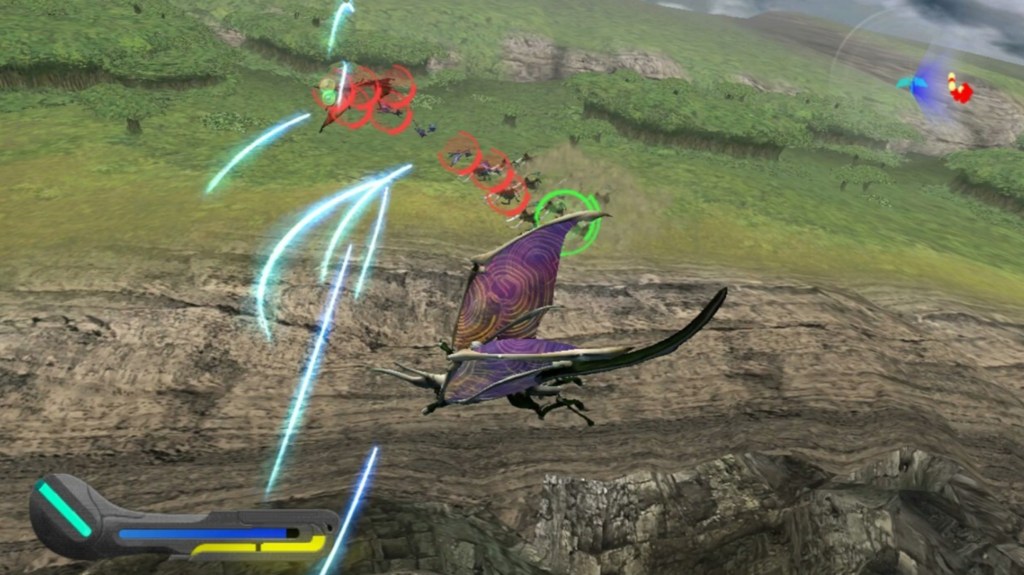
Upon release, Panzeer Dragoon Orta was met with tremendous critical acclaim. While the relatively short game length was noted by many, critics universally embraced the graphics and overall presentation. Taking what had worked on the Sega Saturn and enhancing it with the newfound strength of the Xbox, Panzer Dragoon Orta was cited as one of the best games for the Xbox and seen as an example of the growing movement to recognize artistry within gaming. Unfortunately, those raves didn’t translate into massive sales.
While the game found some success in Japan and did well enough to earn a Platinum Collection re-release, Panzeer Dragoon Orta failed to connect with broader American and European audiences. The future of the series as a going concern at Sega was somewhat dependent on the success of the title, and plans for potential future games and tie-in media were put on hold. In fact, despite earning some of the best reviews of any game for the original Xbox, Panzer Dragoon Orta ended up being the last entry in the series for over a decade, until the remake of the first Panzer Dragoon was released in 2020.
Panzer Dragoon Orta’s Best Qualities Made It An Art Piece

While Panzer Dragoon Orta didn’t become a massive hit with wider audiences, it’s remained a cult classic of the original Xbox era for a reason. Players who got the chance to tackle the rail shooter were vocal fans of the game, with others — this writer among them. There was a genuine attempt to bring a level of artistry to the game that used the Xbox’s graphical power to great effect. There was even tension behind the scenes of development, with first-time game director Akihiko Mukaiyama, clashing with older members of the staff like Lead Designer Takashi Iwade over their ambitions for the title.
The game went through visual overhauls during the development process and was delayed as a result. However, the developers found a collaborative spirit to hone in on, helping improve and refine the art design. The result was a lush-looking game that was also just really fun to play, with an overall execution that holds up much better than other games of the time. Panzer Dragoon Orta was even selected for exhibition by the Smithsonian Art Museum, highlighting the artistry that goes into game design. While Panzer Dragoon Orta‘s poor sales grounded the series for a time, the legacy of the title still soars above most of the other games from this generation of gaming.
Most Viewed
-

Sony Pictures -
Image Courtesy of Marvel Comics -
Image courtesy of The Pokemon Company -

Image Courtesy of HIDIVE -

Image Courtesy of Netflix -

Image Courtesy of Marvel Studios