The idea that physical media, especially within the realm of video games, is dying has been gestating for quite some time. While it was once the dominant means of delivering a game to the consumer (and for many generations the sole method of doing so), it now seemingly remains a niche, destined to be ousted by the significantly more convenient digital download and potentially even cloud streaming, should that ever pick up in popularity. Of course, that is what the masses seem to believe, especially as reports of dwindling physical sales and games skipping physical releases continue to drop in our algorithmically curated timelines.
Videos by ComicBook.com
However, what if I told you that wasn’t exactly true and that, in fact, physical sales are doing better than ever? What if I told you that there’s a very real reality in which physical sales could once again bounce back and dominate the charts? What if I told you I had evidence to prove it all? Well, they are doing better than ever; there is a distinct possibility of the medium returning, and I do, indeed, have proof. In fact, said proof lies with one of gaming’s biggest studios and the purveyor of the best-selling console of all time: Nintendo.
Physical Media Isn’t Dead, Just Yet

I can completely understand why many assume that physical media, in relation to console games specifically, is dying out. Sony’s 2025 Corporate Report stated that a measley 3% of revenue generated by PlayStation came from physical game sales, practically nothing compared to the 20% brought in by digital game sales. Additionally, Sony reported that 70% of total software sales in the 2023 financial year were digital. In 2024. Circana reported that in the US, 91% of software sales on Xbox were digital (in instances in which games sold both physical and digital versions). Furthermore, Circana also reported that in 2025, 66% of Xbox hardware sales were digital-only, as were 49% of PS5s.
It all points to an obvious increase in digital adoption, something spurred on by the popularization and normalization of streaming services. We’ve become accustomed to no longer relying on physical media, even though digital media, on average, costs significantly more over time due to its abstract value and its inability to be resold in secondhand markets. Unlike the movie industry, which is struggling to generate secondary revenue after a cinema release as a result of the declining popularity of DVDs and Blu-rays, the video game industry no longer has a need, technically, for physical media beyond catering to collectors.

However, that doesn’t mean that the general public doesn’t see a need for physical media. Sure, digital adoption is through the roof and unequivocally the norm right now. In fact, it has become so normalized that Xbox is abandoning physical media almost entirely, with a vast majority of its first-party boxed games coming with a digital download code instead of a disc. However, I’d argue that physical media is becoming increasingly important in our newfound digital age. The deeper down the digital rabbit hole we fall, the more we move away from material ownership of the games we’re spending ridiculous sums of money on.
There’s a clear desire to own the games we buy, seen in the enormous backlash to Ubisoft’s director of subscriptions, Philippe Tremblay’s warning to players to begin “feeling comfortable with not owning your game[s]”, the mounting fear around live service titles being delisted, the push for greater transparency around a lack of ownership of digital products, and in the rise of physical media specalist services like Limited Run Games and Super Rare Games. However, an inarguable indication of the continued popularity of physical media lies with Nintendo’s total software sales, a figure that will likely surprise those who believe the format to be dead.
Nintendo Is Single-Handedly Keeping The Physical Media Market Alive
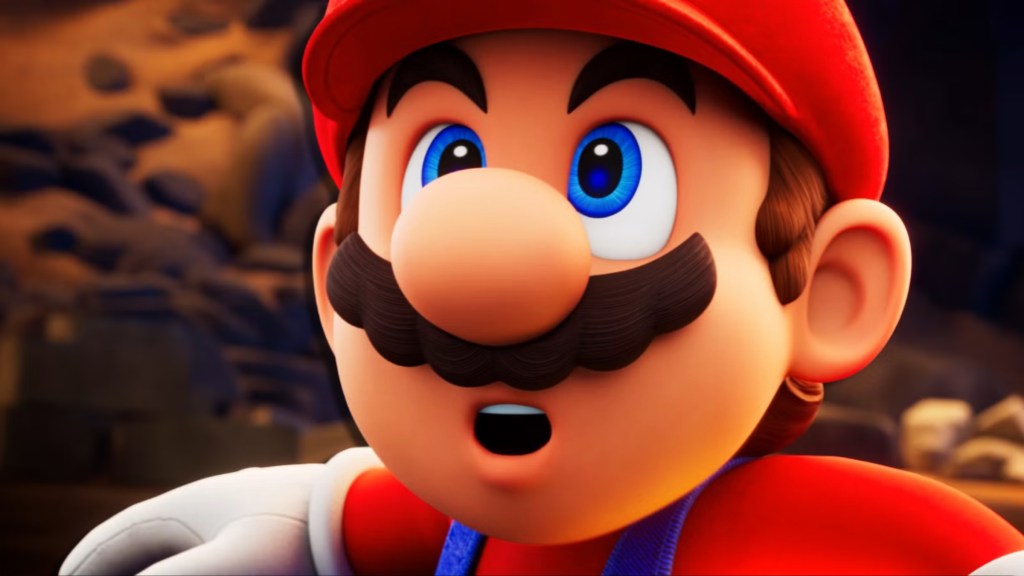
Despite Nintendo’s occasional anti-consumer business practices, its dedication to physical media is admirable. Of course, it is motivated by money more than anything, as physical media continues to be the most successful format on Nintendo platforms. According to Nintendo’s FY26 earnings report, just over 50% of its software sales were physical. It is altogether likely that that number is substantially higher, considering Nintendo lumps DLC and other digital-exclusive content into its digital software sales figures. Regardless, it is clear that, at least on Nintendo’s systems, physical media continues to be immensely popular.
This, at least in my eyes, serves as definitive proof that physical media isn’t dead quite yet. This is not an insubstantial percentage of sales from a much smaller studio. Nintendo released the best-selling console of all time, on which over half of players prefer physical releases. It isn’t as if Nintendo bundles hugely necessary bonuses with its physical copies. While there is the occasional addition, for the most part, you’re getting a cartridge in an otherwise empty box. Even with such sparse offerings, people would still rather buy their games physically, and I think there are a few reasons why.
Physical Media Is Important To The Gaming Industry
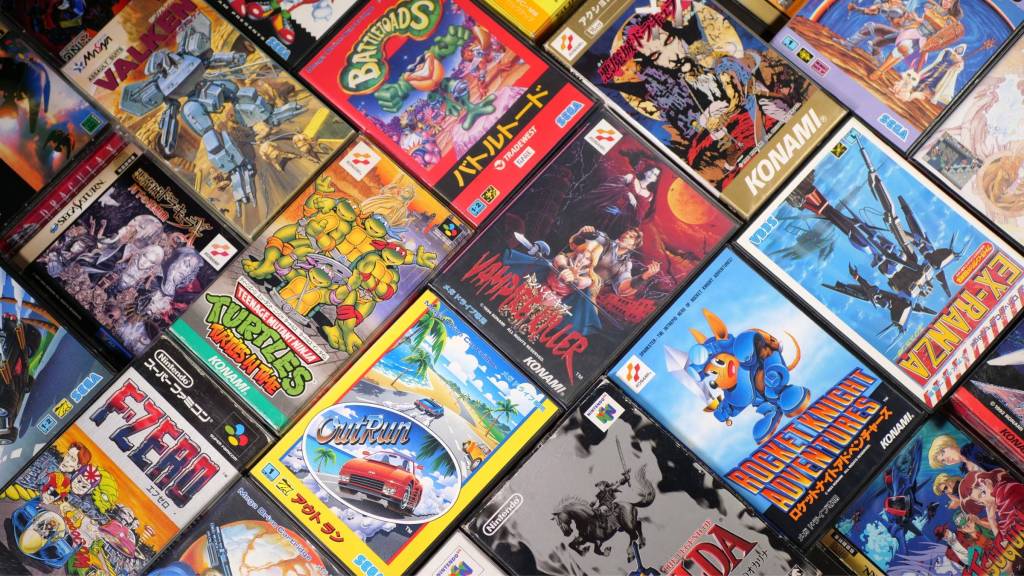
As aforementioned, the idea that we don’t own the digital products we buy, but rather rent a license that can be revoked at any time, is rather worrisome, especially in an age dominated by streaming. Physical media circumvents this problem, as beyond the inevitable disc rot, which can be overcome by merely purchasing another secondhand copy, no one can take the data built into your physical disc away from you. Additionally, physical media provides a certain and easy way to preserve games, something that is becoming increasingly important as titles like Concord are being taken offline without a moment’s notice, rendered completely unplayable for this generation, let alone future ones.
However, I suspect there’s a third reason for physical media continuing to dominate, especially on the Nintendo Switch. Digital storefronts have become utterly littered with AI slop and terrible asset flip games that take advantage of Nintendo’s lax restrictions on uploading clearly misleading screenshots that fail to represent the final product, as well as people’s limited knowledge of new releases. These so-called games have overcrowded an already inefficient storefront, making it practically impossible to discover new games. Physical media, of which there is far less and can be located on shelves in real-life brick-and-mortar stores, is easier to trawl through and thus find new games.

Obviously, this is pure speculation, but I wouldn’t be surprised if the rise in AI slop and the overwhelming digital storefronts are pushing potential buyers toward more easily discoverable physical media. Regardless, despite all the obvious reasons for wanting to buy physical media, companies are continuously producing the worst possible product. Nintendo’s utterly abhorrent Game-Key Cards feel like a hugely misguided move when so much of its revenue comes from physical media. The code-in-a-box fad and the lack of the actual game on the disc have also seriously hurt physical sales dramatically.
Now is the time to resurrect the format, to reintroduce game manuals, add fun little extras for physical additions of games, and create reversible covers. Rather than bury the physical market so far into the ground that people stop caring, make it as important as it was during the PlayStation 2 era. I’d hazard a guess that if publishers begin putting a greater level of care into their physical releases, people will start to buy them more. Because, much like how streaming can never replace the cinema experience and e-readers can’t replace the feeling of cracking open a new book, Game Pass, Game-Key Cards, and exorbitantly priced digital releases will never be as rewarding as a physical library of games, of flipping through an in-depth manual filled with unique art as you install the game, or, at the end of the day, actually owning the thing you paid upwards of $80 for.
Do you think physical media deserves a second chance? Leave a comment below and join the conversation now in the ComicBook Forum!
More Gaming
-

Image Courtesy of Activision -

Courtesy of Wizards of the Coast