The gaming space is a constantly evolving one, especially in the online era. Forums and message boards gave way to online spaces and live interaction between communities and fanbases. In the modern era, platforms like Twitch have radically reinvented how fan bases interact with their favorite games and one another. It’s also something that a lot of game developers have been left frustrated by.
Videos by ComicBook.com
As reported by IGN, Japanese comedian Eiko Kano recently gave quotes discussing his interactions with Resident Evil series creator Shinji Mikami, where the legendary game developer revealed his thoughts on streaming. According to Mikami, “If viewers watching a game stream through to the ending feel satisfied, then that’s all the game is worth… It’s our job [as game creators] to make games that people want to try completing with their own hands, even if they have already watched the whole game.”
It’s an understandable argument and a sentiment shared by other legendary creatives in the gaming space, such as Dragon Quest creator Yuji Horii and Final Fantasy VII remake trilogy director Naoki Hamaguchi. It’s also an argument that undervalues a way fans have always been able to engage with games, even when they’re not actively playing them. Here’s why streaming is a key element of modern gaming.
Does A Game Lose Its Value If You Don’t Want To Play It?
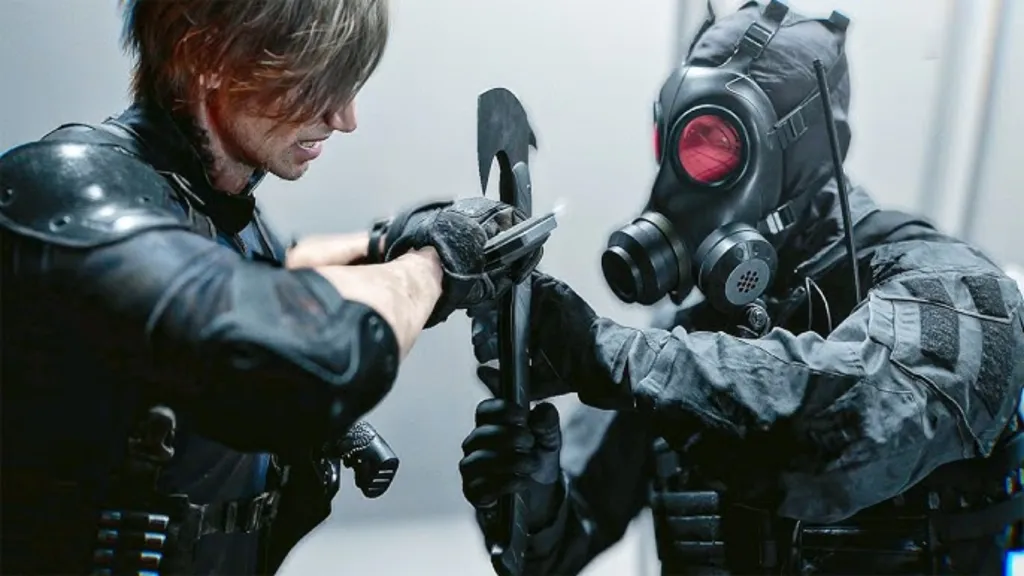
The inherently interactive qualities of a game make it an interesting form of art to engage with. While any form of entertainment is meant to engage with the audience, games have the implicit advantage of fully drawing the player in and giving them an active experience and sense of agency in the presentation. That explains why people like Shinji Mikami believe that the ultimate rebuttal of good game design is feeling fulfilled with it only by watching it. To developers who craft the experience, it makes sense that they would feel like fans who aren’t actually playing the game aren’t engaging with the art in its intended effect and that, as a result, the developers have failed in their mission to create an enticing game. However, there’s something to be said about a game being an engaging piece of art, even if not every player wants to dive into it.
Because gaming is so rooted in personal preferences and approaches, some genres may be interesting as an observer but not all that enticing as a player. The horror genre is actually a great case study. Games like Resident Evil Requiem are narrative-driven and intense in their gameplay, but some players may find the tension too distracting while playing through it to fully focus on the characters and worldbuilding. By contrast, players who are most intrigued by that aspect of the piece can turn to streams of the game to see the craft of the voice actors and the design teams on full display. While gameplay is a key element of what makes a title so enduring, calling the developers “failures” if players find themselves falling in love with the setting and story from afar seems like a discredit to the efforts of the larger development team behind the game.
Streaming Is The Latest Version Of A Major Part Of Gaming Culture

Another thing to keep in mind when gauging whether or not a game is a “failure” for drawing in new players is the impact of streaming on the modern gaming landscape. For many players, interacting with live-streamers and following them through their own playthroughs offers a sense of collective community that can be hard to find elsewhere. It represents the joys of playing a game and experiencing it as a group, something that has always been a part of the fandom. Growing up in the days before platforms like Twitch, it was still commonplace to come together and work your way through big single-player games as a group.
I remember plenty of sleepovers as a kid where we would stay up all night making our way through Metal Gear Solid, Silent Hill, or Resident Evil games. Oftentimes, one of us (often the best at that specific genre) would do the heavy-lifting of the gameplay while the rest would engage with the story, offer jokes to break the tension, or throw in suggestions on how to overcome a boss. We weren’t necessarily playing the games in those moments, but we were still engaged with the craftsmanship. We were still impressed and entranced by the gameplay, even if we weren’t the ones actively engaged in it, and got a unique joy out of being able to share it with one another.
This is the feeling that streamers are able to create with fans by bringing them along for the ride. It doesn’t detract from the level of craftsmanship baked into each game. While it may be frustrating for the developers who put so much time and love into the gameplay to see it not always be the way players engage with the art, that doesn’t detract from the level of craft or the effectiveness of the storytelling. If anything, the fact that even just someone playing the game can still be engrossing speaks to the achievements of the developers.
What do you think? Are games only “successful” if you have to play them for yourself? Let us know in the comments and on social media.
More Gaming
-

Courtesy of IllFonic -

Courtesy of CD Projekt Red