Over the years, Xbox has moved from its iconic library of single-player titles to more live-service multiplayer experiences. That strategy has produced some impressive successes, but there comes a point when supporting an aging game can become less valuable than building what comes next. A great multiplayer game does not necessarily need to exist forever. Sometimes the best way to preserve what made a game special is to give it a proper ending, learn from its weaknesses, and build something better.
Videos by ComicBook.com
That is precisely the position that Sea of Thieves finds itself in. Rare and Microsoft first launched it on the Xbox almost a decade ago on March 20th, 2018. It has received years of free content, seasonal updates, and new systems, and it is still being actively supported in 2026. The latest changes have even reignited debate around diving, with Rare experimenting with removing diving access for Raid Voyages and world events. I’ve loved my time with the game on and off over the years, but it is well past time Sea of Thieves was put to rest.
Sea of Thieves Has Had an Incredible Journey
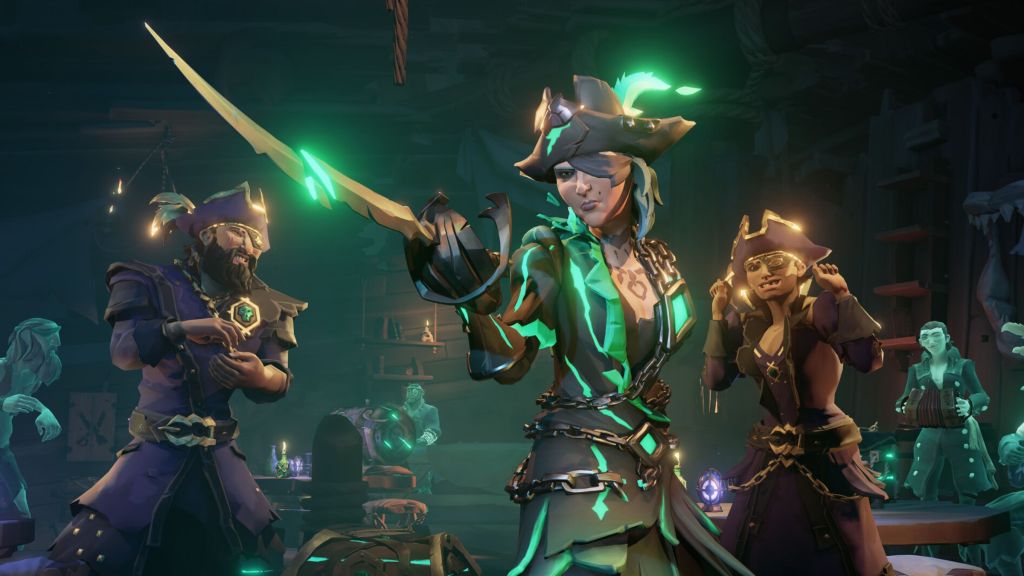
I was there on day one when Sea of Thieves launched; heck, I wrote a paper in my college Literary Theory class on it. Looking back, I remember how simple and bare-bones the game was compared to how it is today. Rare built a multiplayer pirate sandbox around sailing, exploration, treasure hunting, and player interaction rather than traditional character progression. Xbox positioned it as a game designed to grow over time, and Rare quickly began adding major content after release.
Even on launch day, the game was a blast. But the transformation has been substantial. The Hungering Deep introduced the Megalodon, Cursed Sails added Skeleton Ships, the Brigantine and alliances, while Forsaken Shores introduced the volcanic Devil’s Roar region. The Anniversary Update then expanded the experience with new gameplay systems and features. What began as a relatively sparse multiplayer experiment became one of Xbox’s most recognizable live-service games.
Sea of Thieves’ longevity is perhaps the most impressive thing about it, especially when you consider that outside the enjoyment of the game, the main driving factor is increasingly better cosmetics. But longevity can eventually become a problem. In 2026, Rare itself acknowledged that its current content-delivery model was putting pressure on the team while failing to meet player expectations. That should be a warning that the current approach has reached its limits.
Xbox Should Retire Sea of Thieves Before It Becomes More Stagnant

The biggest problem with keeping Sea of Thieves alive indefinitely is that the original foundation is now carrying almost a decade of accumulated systems. Each time Rare implements a new system or feature, it has to take every existing feature into consideration. Not to mention the developer has to work with a system that was designed for a previous generation of consoles, now on modern gen and with cross-platform play. This creates a can of worms waiting to be spilled.
The recent debate surrounding diving illustrates the problem. Diving was introduced as a way to reduce travel time and move players directly toward activities, but Rare is now experimenting with removing it from Raid Voyages and world events. Supporters see that as a return to the game’s original philosophy of making sailing itself part of the adventure, while critics see it as taking away a convenient quality-of-life feature. Both sides of this debate have a point, and this highlights the problem of the game.
The Sea of Thieves cycle cannot continue forever, and if the backlash to other live service games is any indicator, that time may be coming to a close. Every major change risks upsetting players who have built their routines around older mechanics, while leaving everything untouched allows the experience to grow increasingly stale. Rare is aware of the pressure when updating old features or implementing new features. So, instead of going against the grain, Rare has a simple solution it can take.
A Sea of Thieves 2 Could Take the Foundation Into a New Generation
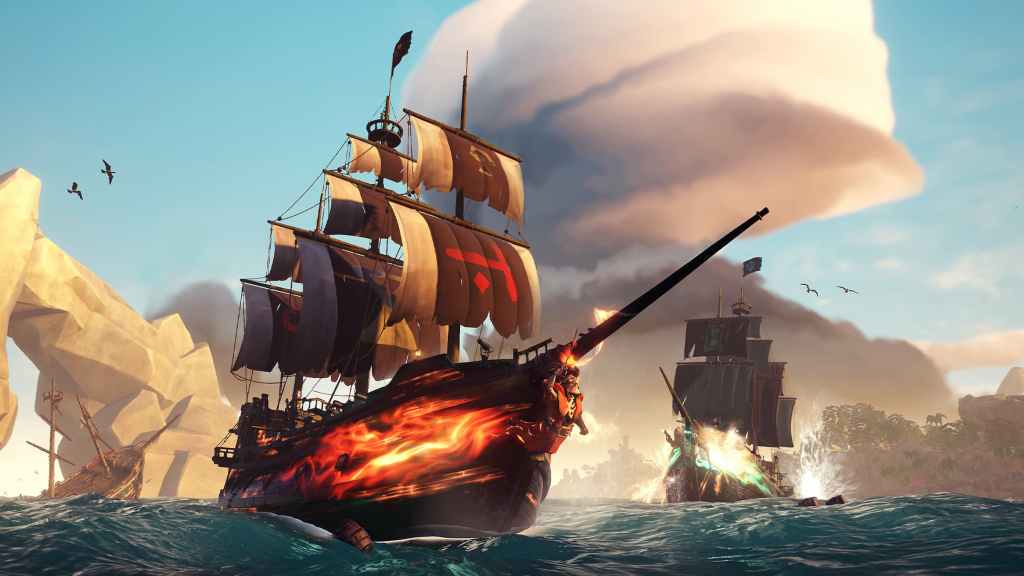
Rare needs to seriously consider a Sea of Thieves sequel. This would allow the team to preserve the best ideas while rebuilding something new. Sailing, ship combat, exploration, emergent player encounters, and the freedom to create your own stories should remain central. But Rare can take these concepts and develop them into a game that didn’t begin in 2018, but one with modern consoles and expectations in mind.
That could mean a larger and more reactive world, more sophisticated naval combat, improved enemy behavior, deeper underwater exploration, and more dynamic weather and environmental systems. It could also address some of the structural issues that have accumulated over the years, like progression and matchmaking. I’d love to see Rare actually tackle a narrative, one that can be played solo or in co-op to further explore Sea of Thieves’ world.
A sequel would allow Rare to redefine what Sea of Thieves could be instead of having to double- and triple-check against nearly a decade of framework. The game has shown how appealing the concept of being a pirate can be, and Ubisoft’s Assassin’s Creed Black Flag Resynced further cements that truth. But now, the game is showing its age. Microsoft and Rare need to determine what the best decision for its continued future is, even if that means shutting the ports down and putting one of Xbox’s best multiplayer games out to sea.
More Gaming
-
Courtesy of Legendary Pictures -

Courtesy of Nintendo -

Image Courtesy of Sony Interactive Entertainment