Star Fox is one of Nintendo’s most beloved franchises, even if it’s been somewhat underrepresented in terms of pure releases. The series debuted on the SNES and became iconic on the N64 with the one-two punch of Star Fox 64 and Fox’s appearance in Super Smash Bros. Despite that success as well as a few memorable entries on the GameCube, the series entered a lull period in the 21st century that has only seen a handful of new games released — at least until recently, when the series revisited Star Fox 64 with Star Fox for the Nintendo Switch 2.
Videos by ComicBook.com
While that game is a lot of fun, one of the common complaints about it is that it just replicates what came before instead of building out something new. That’s something previous entries of the series have done better, such as Star Fox Command. The Nintendo DS game was an odd experiment that fused a strategy game mechanic with the arcade flight-sim DNA of the series, all while pushing the characters and narrative in some unexpected directions. Twenty years later, Star Fox Command remains a commendable experiment for the franchise that the next entries in the series need to learn from.
Star Fox Command Was One Of The Most Ambitious Games In The Series
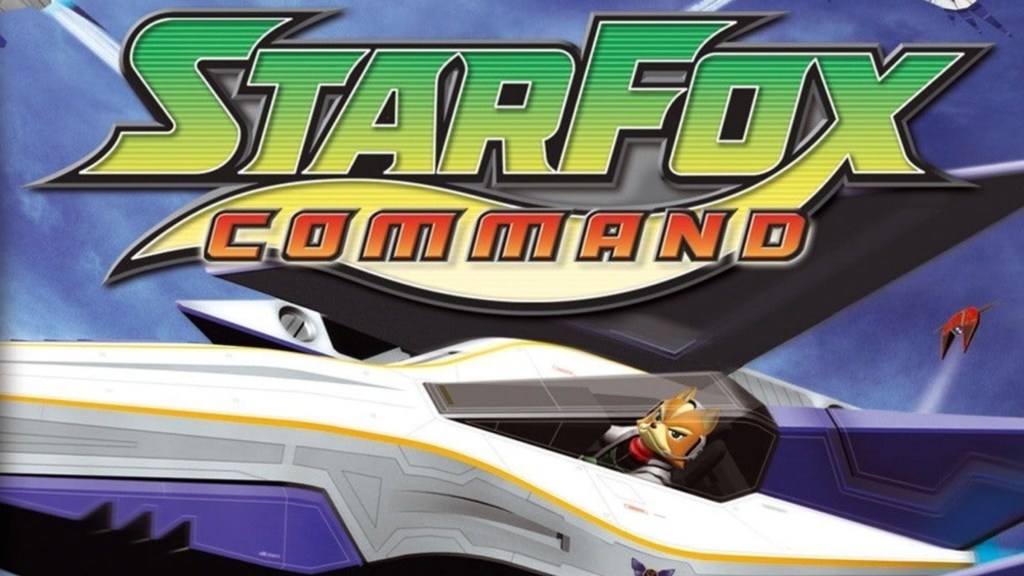
Debuting in Japan on August 3, 2006, before launching across the globe, Star Fox Command was a radically different take on the franchise that highlighted how it could be evolved. In an overworld setting, players command several ships in a turn-based strategy game design. When player-controlled ships encounter enemies, gameplay shifts into a more familiar all-range combat sequence. Befitting this approach, the game features fourteen different playable characters, each with their own unique touches and traits. The game takes inspiration from previous iterations of the series without being wholly driven by them. While it has similar branching paths as Star Fox 64, these choices don’t just lead to a singular storyline. Instead, each branching path sets up the player to encounter different enemies and unique challenges. In the process, there are nine possible endings, all set up to leave the game’s future up to the player.
While critics were somewhat torn on the strategy game aspects, the overall action and storytelling were commended by fans and critics alike. It was an experiment that nevertheless felt consistent with the older titles. While other sequels in the series have felt too similar to the older games or have completely deviated from what fans liked about the original titles, Star Fox Command played with the formula, expanded the scope of the universe, and even endeavored to give the story a conclusive chapter — all without undercutting the gameplay and characters that audiences had come to love. While the game wasn’t everyone’s favorite entry in the series (this writer included), it did represent proof that the developers behind the series had ways to push it forward and evolve it without losing that core spark at the heart of the franchise.
What The Switch 2’s Star Fox Could Learn From Star Fox Command
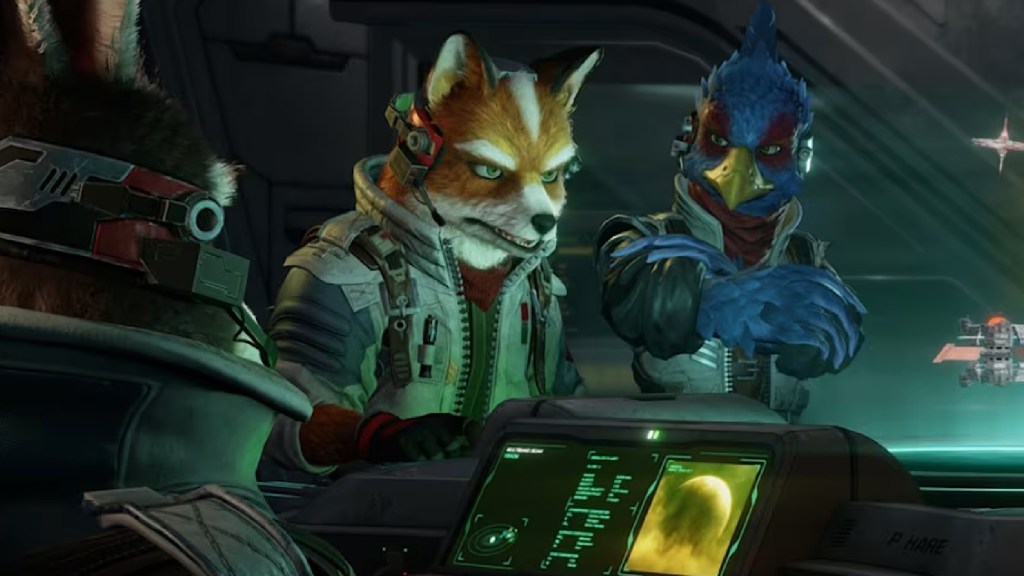
Star Fox for the Switch 2 is a fun game that faithfully recreates Star Fox 64 with some modern touches. However, that recreation is a bit too committed at times. It’s very much the same experience with a new coat of paint, with minor changes to the story mode doing little to update the underlying gameplay experience. It’s a fun nostalgia hit but fails to push the game into any meaningful new territory. It’s a shame, too, because games like Star Fox Command highlight how easily the series can thrive when it’s given the chance to experiment and grow. Command allowed a bunch of new characters to take center stage, pushing new narrative arcs and throughlines that changed in response to player choices. It felt bold at times, playing with narrative expectations and subverting typical archetypes to great effect.
Confrontations between characters felt all the more impactful as a result, direct consequences of player choices in a way few other Star Fox games (or Nintendo titles in general) have allowed. The gameplay tweaks may have been met with a mixed reception, but they highlighted a willingness to experiment with format and style in ways that felt encouraging for the future of the series. They felt like a fitting evolution that actually engaged with the possibilities offered by the unique attributes of the DS. Even the lack of a concrete ending opened up the door to more interpretations and creative liberties being taken in the future, pushing the series further than before. Star Fox Command remains a fascinating entry in the series precisely because of all the ways it plays with the formula and tweaks elements of the game without losing sight of what makes the older entries so good. Especially with Star Fox having reasserted itself as one of Nintendo’s focal points, hopefully future entries in the series can do more than just recreate the past and instead build on what came before.
More Gaming
-

Paramount – Legendary Pictures -

Courtesy of Evil Empire -

Courtesy of Saber Interactive