
As a kid, I played my fair share of games. Some entertained me for a weekend, and I moved on, while others stayed with me long after the credits rolled. This game has lingered with me for years and remains one of my favorite experiences in gaming. And I’m not alone. Many players who grew up during the PlayStation 2 era, one title in particular left this kind of mark. It was not loud, flashy, or overloaded with exposition.
Videos by ComicBook.com
Instead, Shadow of the Colossus trusted its atmosphere, silence, and scale to do the heavy lifting. Looking back now, it feels almost shocking that a game like this existed at all during that generation. While most releases chased action, spectacle, or technical excess, this one embraced restraint. It asked players to slow down, to feel isolation, and to question their own motivations. That quiet confidence is why, even decades later, it continues to haunt me to this day and influence countless projects, even Predator: Badlands.
Shadow of the Colossus Was One of the Most Beautiful PS2 Games
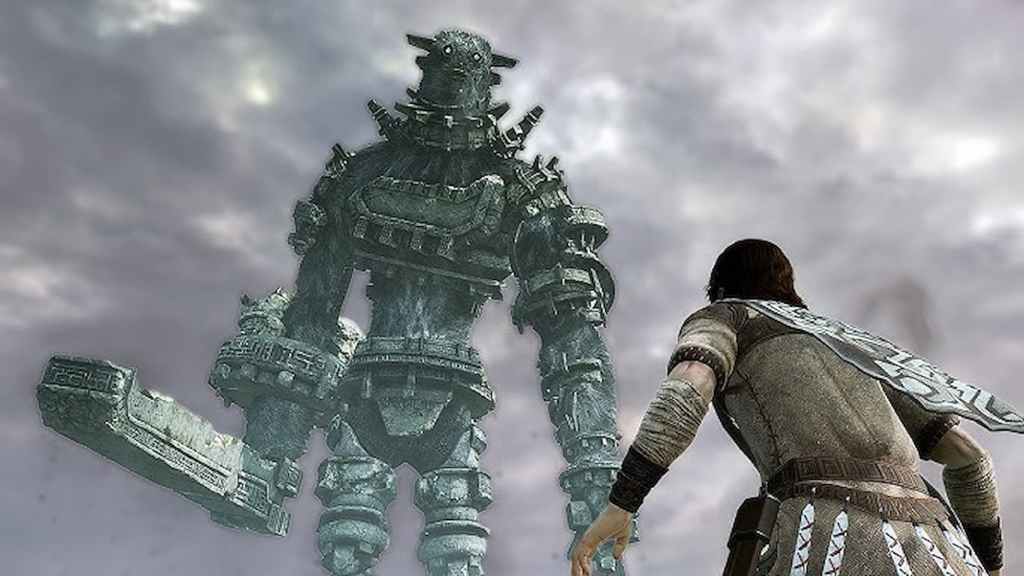
When Shadow of the Colossus was released in 2005, it redefined what beauty could mean in a video game. The PS2 was already home to visually impressive titles, but few used the hardware so deliberately. Vast empty landscapes stretched as far as the eye could see, not to show off technical power, but to create a mood. Every ride across the plains left me feeling lonely and left me alone with my thoughts. This was particularly effective after defeating a colossus, and I questioned my actions while riding Argo.

The colossi themselves were breathtaking. Each one was a living landmark, towering over the player with a sense of weight and presence that felt unprecedented at the time. Their designs blended stone, fur, and ancient architecture, making them feel like remnants of a forgotten civilization rather than simple enemies. Climbing them was not just a gameplay mechanic but an emotional experience. Each blow made me wonder whether I was a hero or not.
What made the visuals so powerful was how they worked in harmony with lighting and animation. Sunsets cast long shadows across ruined temples. Wind moved grass and cloth subtly, reinforcing the sense of a living world. Even technical limitations like frame drops and low textures somehow added to the dreamlike quality, making the game feel like a fading memory rather than a pristine simulation.
Shadow of the Colossus Stills Moves Players Today
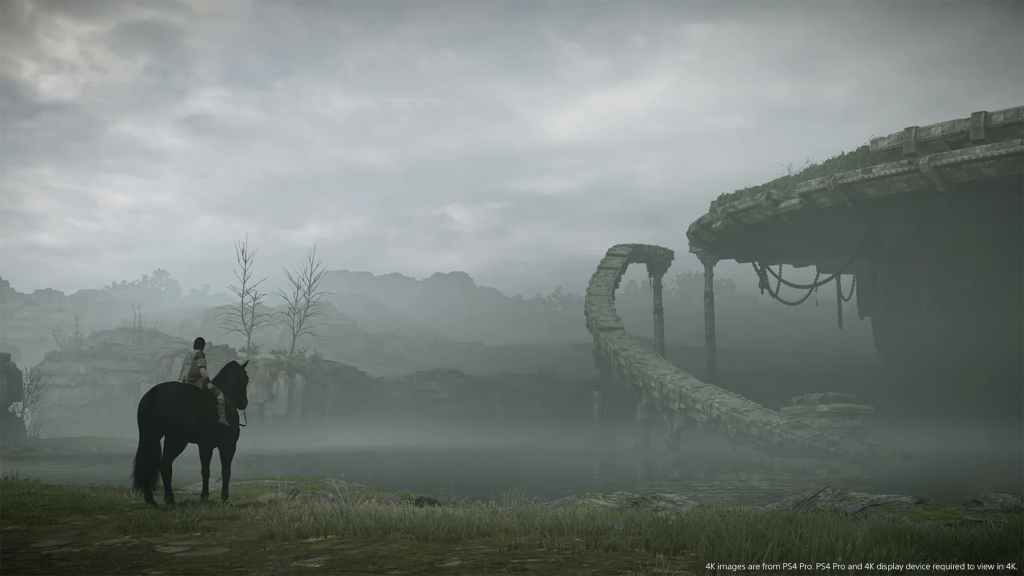
Few games age as gracefully on an emotional level as Shadow of the Colossus. Even players encountering it for the first time today often describe feeling unsettled in ways they did not expect. There is no traditional power fantasy here. Each victory feels heavy, almost wrong, as the consequences of your actions slowly become clear. I told myself I was doing what I was supposed to do, but it didn’t mean it felt right.
The game’s ability to evoke empathy without dialogue is remarkable. The colossi are not villains in the traditional sense. They exist peacefully until disturbed, and their reactions often feel defensive rather than malicious. Watching these massive beings struggle and fall creates a complicated emotional response that few games dare to attempt. The final moments of each colossus invoke a feeling of hollowness, taking the thrill out of victory.
Music plays a critical role in this impact. Silence dominates exploration, making moments of combat feel overwhelming when the score swells. The contrast heightens tension and reinforces the idea that these encounters are monumental, not routine. The soundtrack utilizes the power of restraint throughout the game, heavily contributing to the atmosphere.
Years later, I still get the itch to jump back in and replay Shadow of the Colossus, especially the remake with its enhanced visuals and improved mechanics. Others feel the same, and this shared emotional memory speaks to the game’s lasting influence. It is not just remembered. It is felt, again and again, across generations.
Sometimes Less Is More in Narrative
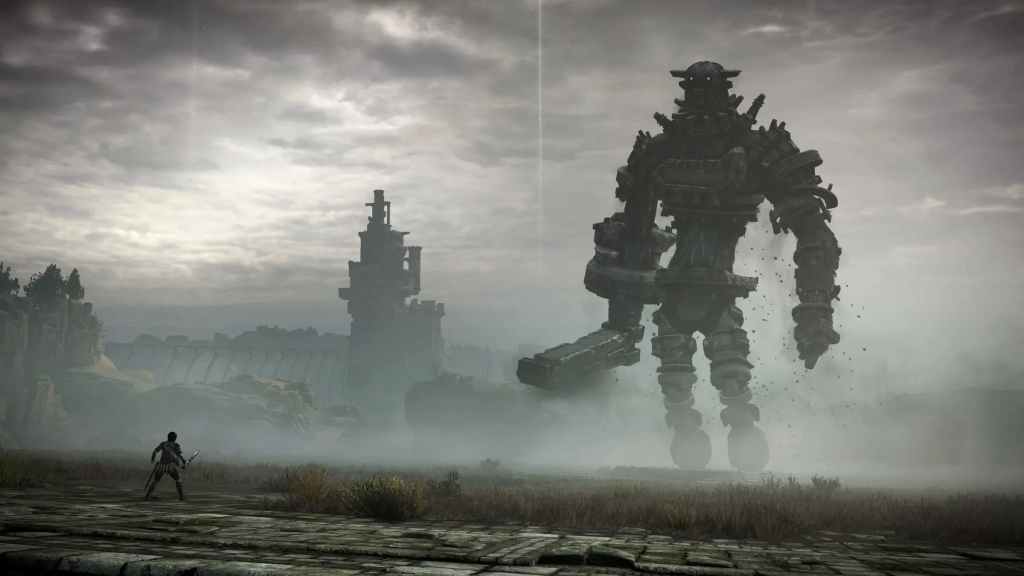
One of the most haunting aspects of Shadow of the Colossus is how little it explains. There is no lengthy exposition, no clear moral framework, and no constant guidance. Players are given a simple goal, one they have to discover for themselves, and left alone to pursue it. That minimalism invites interpretation, reflection, and doubt. By withholding information, the game encourages players to fill in the gaps themselves. Who are these colossi?. What is the cost of your quest? Is the outcome worth the journey? These questions linger because the game refuses to answer them directly.
This approach was rare during the PS2 era and remains uncommon today. Many games fear ambiguity, worrying it will alienate audiences. Yet here, ambiguity is the point. It turns the story into a personal experience, shaped by the player’s own emotions and values. There is a future where this approach didn’t work, and Shadow of the Colossus could have faded into obscurity. But because Fumito Ueda believed in the game and trusted players, it has earned a spot as one of the best PS2 games of all time.
That is why the game still haunts me. Not because of fear or difficulty, but because it respected my intelligence and my feelings. It proved that video games could be quiet, tragic, and deeply human. In doing so, it became more than just the best PS2 game. It became a lasting memory that time has only strengthened. I still hope for a true sequel, even if it isn’t necessary and would ultimately harm the first game’s narrative, because I loved it so much.
What do you think? Leave a comment below and join the conversation now in the ComicBook Forum!
Most Viewed
-

Courtesy of Eight-Bit -
Courtesy of Lionhead Studios -

Photo by Jesse Grant/Variety via Getty Images -

Image via Prime Video -

Image courtesy of 20th Century Studios -

Courtesy of Kadokawa / Shosetsuka ni Naro


