Path of Exile 2 has shaped up to be something special in the looter RPG genre. It is deeper and more dynamically expressive than its predecessor, and that is exactly why so many players are willing to sink hundreds of hours into testing builds that might not even work. The game invites experimentation and rewards system mastery, which is why it hurts more when certain skills feel like they are fighting against the player instead of enabling them.
Videos by ComicBook.com
That tension becomes impossible to ignore with the Druid. While the class fantasy is strong and the transformations are visually and mechanically exciting, it also magnifies an ongoing issue in Path of Exile 2 that is often glossed over. Some skills feel incomplete unless they are propped up by secondary systems. Wyvern form is the clearest example so far. It is not bad, but it feels designed around Power Charges to such an extreme degree that playing without them feels like using a half-finished ability.
Why Some Skills Feel Incomplete on Their Own
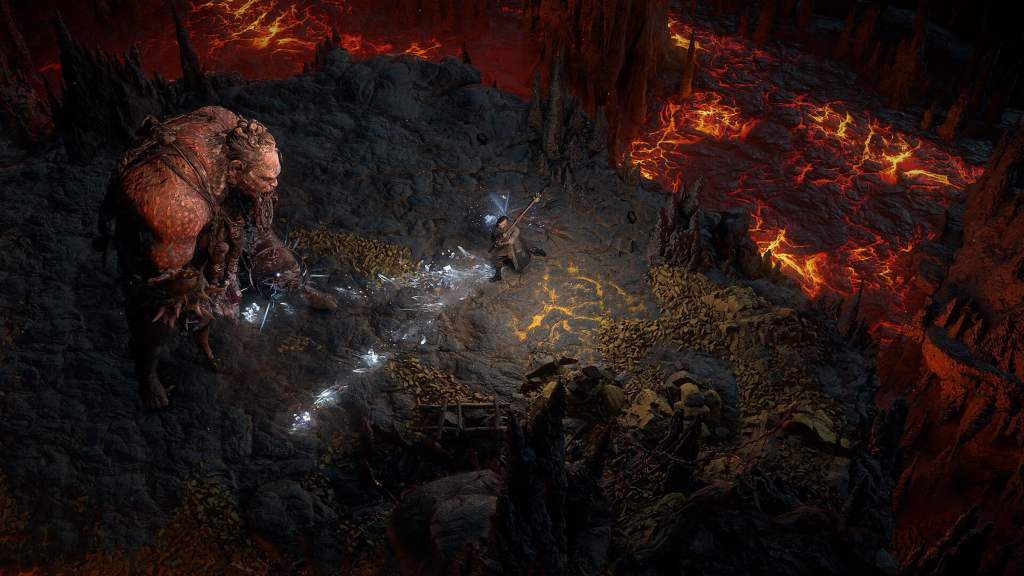
Path of Exile 2 increasingly leans on layered mechanics to define skill identity. In theory, this is great. Charges, ailments, and conditional bonuses can add depth and decision-making on a level that goes beyond most RPGs, and that is great. The problem arises when a skill’s baseline state feels weak or underwhelming without those layers fully online. At that point, the mechanic stops being a bonus and starts being mandatory.
Wyvern form shows this issue very clearly. Without Power Charges, the form feels weaker and far less threatening than it looks. Abilities hit softer, momentum drops, and the transformation fantasy loses a lot of its punch. A significant portion of the Wyvern’s early game for a lot of builds is figuring out a way to maintain Power Charge up time, rather than focusing on the build itself.

Once Power Charges are active, everything changes. Damage spikes massively, to a degree that you will want to have them active even if you’re not using their primary benefit as a focal point. And then, the form finally feels like something worthy of endgame investment. This is not ideal.
That kind of power gap is where things start to feel off. If a skill only feels good after meeting very specific conditions, then players are not really choosing how to play it. They are being told how to play it, which is strange considering this is a Path of Exile game in question. Path of Exile 2 has always been about bending systems, but it should not feel like the system is bending the player instead. The Wyvern is only the most recent example of this.
When Complexity Starts Undermining Build Freedom
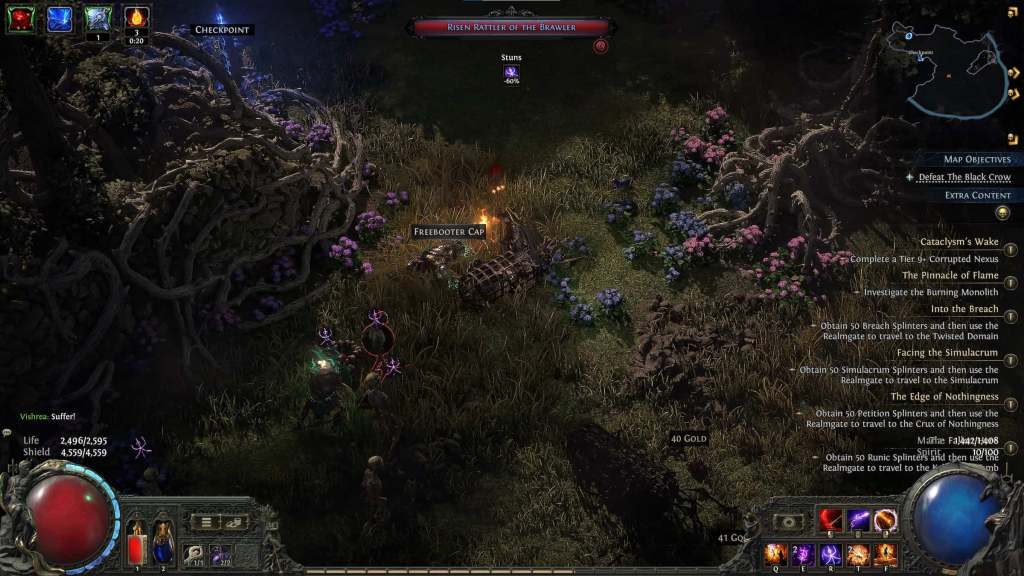
Complexity is part of Path of Exile’s DNA, and most fans would not have it any other way. The issue is not that Wyvern form relies on Power Charges, but how heavily it relies on them. Building around charge generation and uptime becomes less of a personal creative decision and more of a requirement. That immediately narrows the space for experimentation, which is disappointing.
Every passive point, gear mod, and complementary skill being spent maintaining Power Charges is one not spent exploring alternative directions that could have been. It’s not that you cannot build into other directions, but undoubtedly, some of your resources are spent just meeting the “requirements” to functionally use the ability. Want to lean into survivability, utility, or a different damage vector. You totally can, but some of those resources are already spoken for. The Power Charge issue for the Wyvern drains some of your potential build resources overall. The build starts to feel predetermined before it even gets off the ground, which is a strange feeling in a game famous for its freedom.
This does not kill Wyvern builds outright. Skilled players can and will make them work in any form because that is what Path of Exile players do. The frustration comes from how much effort is spent just reaching a comfortable baseline. Instead of asking how to push a build further, players are busy asking how to make it feel acceptable. That is not where complexity shines, and it is not where build diversity thrives.
The Druid Did Not Start the Fire, But It Feeds It
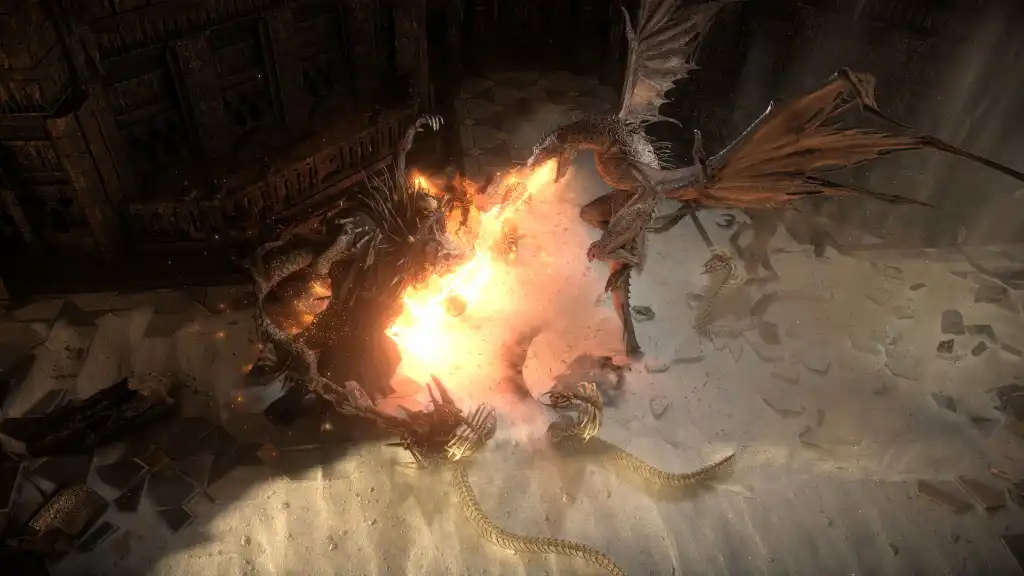
The Druid is not the origin of this problem, but it absolutely compounds it. Path of Exile 2 already has several skills that feel like they need extra mechanics bolted on to function properly. The Druid simply makes the issue more visible because transformations are supposed to feel powerful by default. When a transformation feels anemic without a specific resource, it raises eyebrows.
Wyvern form should feel like a reward for committing to the class fantasy. Instead, it often feels like a checklist. Get Power Charges. Keep them up. Use “X” ability only when Power Charges are up. Only then does the form start to feel complete. That framing subtly shifts the experience from excitement to obligation, which is a shame given how strong the concept is.
For a game that is otherwise pushing forward in smart and ambitious ways, this design pattern feels regressive compared to its prequel. Skills should stand on their own first and become exceptional with investment, not feel weak until the right conditions are met. Path of Exile 2 is still incredible, and the Druid is still fun to play, but the Wyvern highlights a growing concern. When core abilities feel incomplete without external crutches, the game risks limiting the very creativity it is known for.
What do you think? Leave a comment below and join the conversation now in the ComicBook Forum!
Most Viewed
-

Courtesy of Crunchyroll