Some genres fade quietly into nostalgia while others linger in a strange half-life, still breathing but no longer truly alive. The MMORPG exists in that second state, suspended between what it once was and what it stubbornly refuses to become.
Videos by ComicBook.com
For more than two decades, the genre has been stuck in limbo, unable to evolve in a way that matches the explosive growth of technology around it. Hardware has advanced, online infrastructure is stronger than ever, and player connectivity spans the globe, yet modern MMORPGs feel barren and uninviting. New releases collapse under their own ambition or launch so cautiously that they barely make an impact. Players are pushed back toward games released years or even decades ago just to feel something real again, while the landscape fills with abandoned projects, half-baked launches, and promises that evaporate the moment reality sets in.
Why Modern MMORPGs Aren’t Being Made and Struggle to Survive
The genre is not struggling because developers lack ideas. It is struggling because the people funding those ideas are terrified. MMORPGs demand enormous budgets, long development cycles, and a level of long-term commitment that clashes violently with the industry’s obsession with quarterly earnings. Executives would rather bankroll a safe live service experiment that can be quietly sunsetted than risk building a world that might take years to become profitable. Ambition has been replaced with risk assessment meetings.
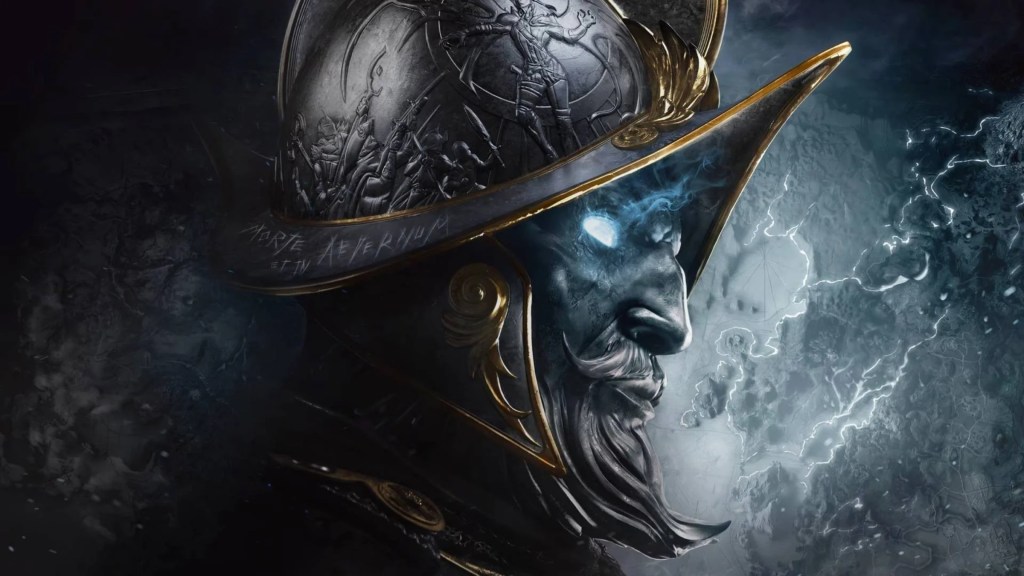
When a new MMORPG does manage to claw its way to launch, it often arrives compromised and confused. New World had literally every advantage under the sun: money, marketing, momentum, exposure, yet it stumbled through its existence, exposing how fragile the foundation really was, leading to its now imminent demise.
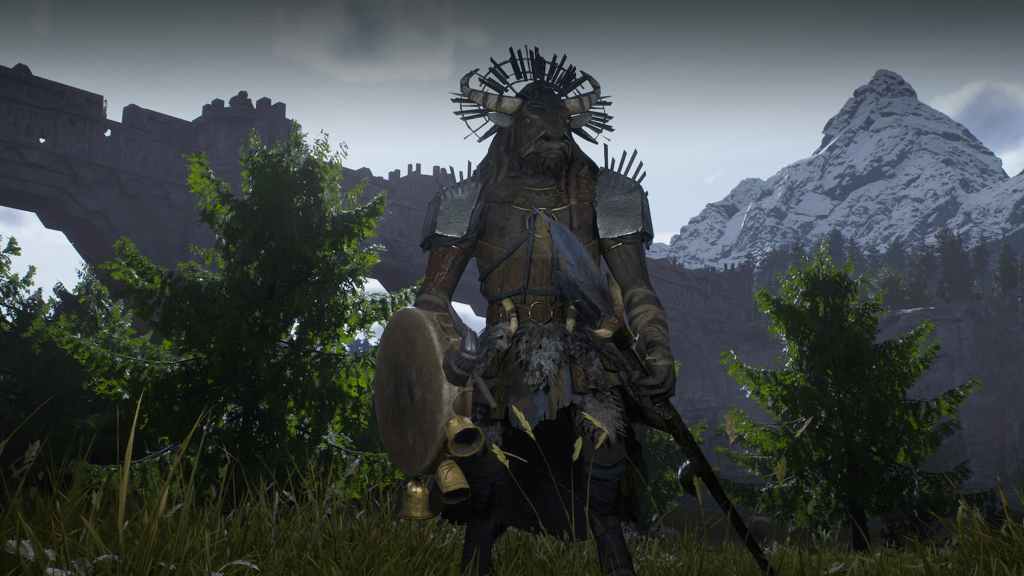
Meanwhile, Ashes of Creation was forced to carry the suffocating label of “the one that might save the genre,” which says a lot about how desperate players have become. Its recent complete implosion is just another example of the pitiful state that the MMORPG genre is in. No single game should have had to shoulder that kind of expectation in the first place, but this is what happens when an entire genre stops producing consistent innovation.
What makes this stagnation almost insulting is that the tools to evolve the MMORPG are right there, yet studios keep rebuilding the same corpse with slightly sharper textures, hoping no one notices the lack of genuine evolution. For example, the meaning of a “quest” has simply evaded all actual purpose in the modern MMORPG.
“Questing” has largely been the same hub-based dribble in every MMORPG for the last decade, with barely anything done to alter the formula. Combine that with progression loops that have been totally lifeless, and social systems that often feel like afterthoughts in games that are supposed to revolve around community. What happened to a “quest” actually having value? The genre is just stuck in time, with no one seemingly capable of freeing it.
The Players Left Behind in a Dying Genre

MMORPG players are some of the most loyal fans in gaming, and that loyalty has been abused. These are people who sink thousands of hours into virtual worlds, who build guilds that feel like second families, and who invest emotionally in spaces that are supposed to persist. When a new title flames out within months or shuts down entirely, it is not just a failed product. It is a broken promise that leaves communities scattered and exhausted.
So players retreat to older games, not because they are blind to their flaws, but because those worlds still function. They still have history, culture, and depth that newer titles fail to replicate. The fact that so many fans would rather revisit a game from the early 2000s than trust a modern release should set off alarms across the whole industry. Instead, it is treated like nostalgia rather than a glaring indictment of the present.
There is a bitterness now that did not used to exist. Every new MMORPG announcement is met with incredible scrutiny rife with suspicion, as if players are bracing for the inevitable collapse before the servers even go live. Crowdfunded projects, especially, promise revolutions and deliver delays. Early access launches dangle roadmaps that stretch into infinity while the core experience feels hollow. Over time, that cycle erodes belief in the genre itself. It teaches players not to hope.
The cruel irony is that MMORPGs should be dominating this era. Global connectivity is now the norm and is totally seamless. Online social spaces and technology can support massive shared worlds with ease. Instead of seizing that moment, though, the industry hesitates, overthinks, and waters down its ambitions until nothing bold remains. And with every cautious release, the idea of a truly transformative MMORPG drifts further out of reach. Guess we’ll all be playing World of Warcraft for another 20 years.
What do you think? Leave a comment below and join the conversation now in the ComicBook Forum!
More Gaming
-

Image Courtesy of Sony Interactive Entertainment -
Courtesy of Nintendo -

Courtesy of Bandai Namco -

Image Courtesy of Rockstar Games -
Image Courtesy of Electronic Arts -
Courtesy of 343 Industries