Endgame content can be quite sparse in some titles, with some games ending within the confines of a single story’s runtime. However, a good variety of experiences from multiple genres give players the tools to take what they’ve learned and tackle new challenges, often with character builds created throughout the main story. Some games take postgame content a step further, almost creating second or third games beyond the core experience, almost implying that the “standard” story was only just the beginning.
Videos by ComicBook.com
A number of RPGs with hundreds of hours of content tend to give players huge postgame adventures, with MMOs often doing the same. Expansions, DLC, or other updates to certain games can add features meant to be explored by stronger, high-level characters who’ve been exposed to most of what a title has to offer. The best versions of these endgame approaches almost reset players back to when they started, making new content feel fresh and just as challenging as the game was before.
5. Dragon Quest 11
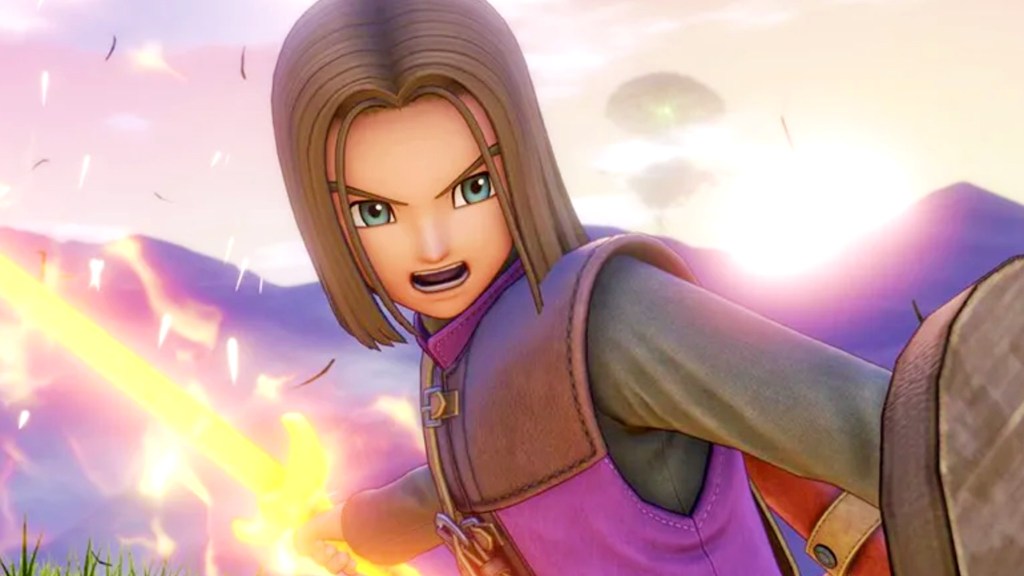
The Dragon Quest series is no stranger to having long RPG journeys that continue after the credits roll, but Dragon Quest 11 is on an entirely different level. The postgame for this title doesn’t just throw in some side quests and call it a day, but rather invents an entirely new story for your party to explore. In fact, some players regard Dragon Quest 11‘s endgame as the “true” experience, following up on the events of the main journey and offering a sequel to the story whenever you’re ready to pursue it.
The true ending of Dragon Quest 11 is locked behind its postgame, which features tougher fights that test everything you learned up until the “finale” of the first main quest. The new main quest that opens up in the postgame takes almost longer to reach than any other quest that came before, meaning that your endgame will likely be the longest phase of your adventure. Furthermore, Dragon Quest 11 has multiple pieces of endgame content besides a new main quest, including multiple side quests, Wheel of Harma trials, and door unlocks that can add hundreds of hours to your playthrough.
4. Pokémon HeartGold & SoulSilver
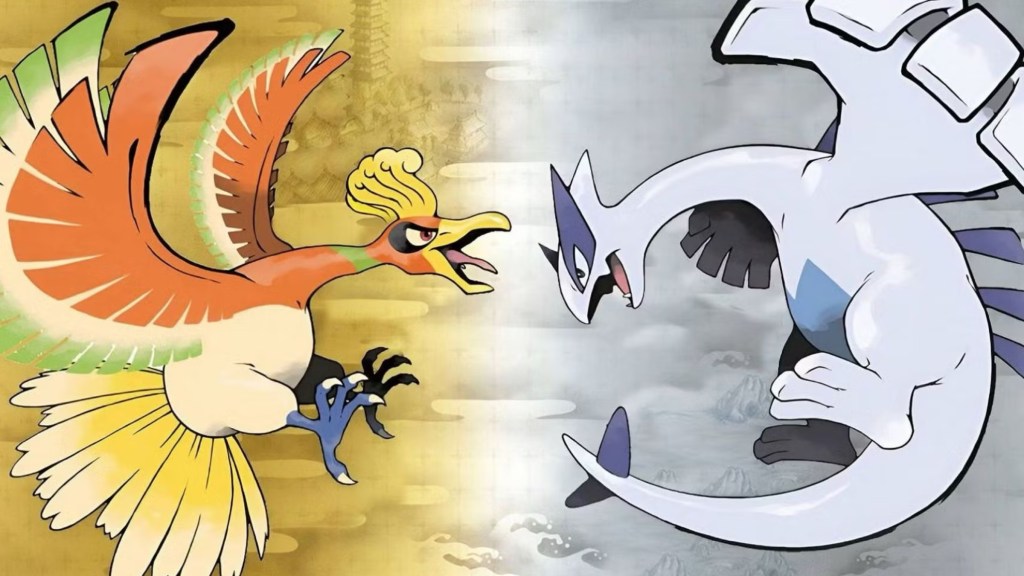
The original Pokémon Gold and Silver were praised for its new Johto region, but also for how players could return to the previous Generation’s region in the postgame. Many different Pokémon titles have excellent endgame experiences, from Pokémon Diamond and Pearl‘s Battle Zone island to Pokémon Emerald‘s challenging Battle Frontier. That being said, HeartGold and SoulSilver from Gen 4 perhaps have the most refined endgame that expands upon their original source material.
HeartGold and SoulSilver brings back Gold and Silver‘s merging of the Johto and Kanto regions, allowing players to collect another eight Gym badges after defeating the Elite Four. Going back to familiar Kanto locations and seeing what’s changed was a fantastic part of the Gen 2 games, and the graphical improvements from these remakes make the nostalgia hit even harder. New story elements not in Gold and Silver are added to the remakes too, including a quest where you can get the Legendary Pokémon Giratina, Dialga, or Palkia from an Egg created by Arceus.
The crown jewel of the endgame content here, though, is the rematch with Pokémon Trainer Red brought back from the Gen 2 games. To this day, this battle is one of the toughest in the series, challenging how dedicated you were to training your team throughout the postgame. With new Pokémon to catch and evolve in Kanto as well, you can almost restart your adventure and begin anew, almost classifying HeartGold and SoulSilver as two games in one.
3. Monster Hunter World: Iceborne
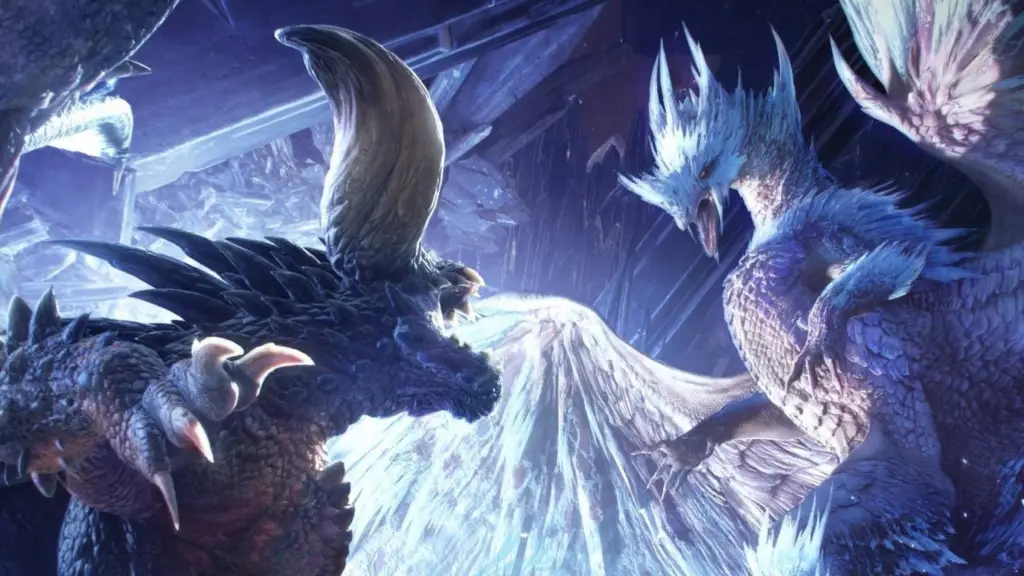
Monster Hunter World: Iceborne stands as perhaps the biggest expansion to any game Capcom has ever made, more than Sunbreak in Monster Hunter Rise that would come years later. Iceborne is not just a new game, but a natural extension of the base experience. While the mechanics from this DLC are applied to the whole game, Iceborne keeps its postgame hidden until players grind up to unlocking Master Rank battles against monsters.
Master Rank monsters are tougher and drop better materials to craft the best weapons, armor, and other gear in the game, which you’ll need to take on some of the creatures in the expansion. Fatalis alone is likely the most difficult monster in Monster Hunter World by a wide margin, though the other 31 new monsters added to the endgame aren’t to be underestimated either. Some of these monsters, like Alatreon, Velkhana, and Safi’jiva, come with new variants to existing creatures, creating stronger versions of already tough foes, such as Raging Brachydios or Ruiner Nergigante.
Before Monster Hunter Wilds‘ Ascendance expansion compares to Iceborne, it’s hard to explain just how deep this expansion goes. Players can easily spend hundreds of hours in the postgame alone, after they’ve already sunk dozens of hours completing the main story of Monster Hunter World. With new event quests and areas coming to Iceborne as well, the expansion is a playground that will make you forget about everything that came before the postgame started.
2. Borderlands 2
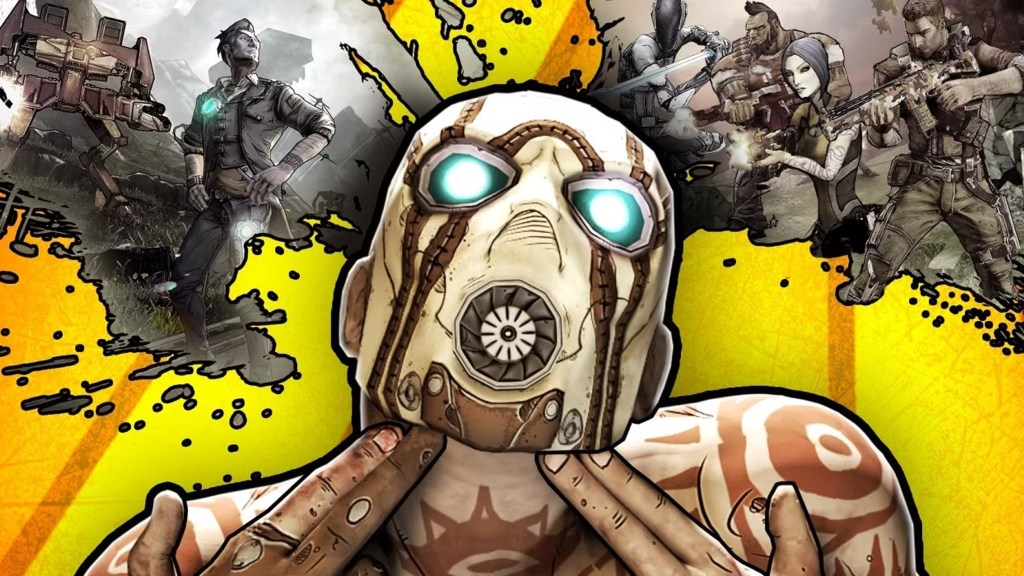
The normal campaign for Borderlands 2 is an enjoyable experience, usually letting a character build you make get up to Level 30 or 40, depending on how many side quests you do. To put things into perspective, the endgame of Borderlands 2 has a level cap of 80. This means an experience equal to the base game awaits you after you believe your adventure is done, if you don’t start a second, third, or fourth playthrough to try all the unique character classes in this iconic looter shooter.
Beating the game lets you play on True Vault Hunter settings, increasing loot and spawning harder enemies more frequently for tougher fights and better rewards. Multiple DLC and expansions add countless quests and regions to explore too, opening up new possibilities for additional stories and character power fantasies as you break the limits on your build. One DLC drop even adds Overpowered Levels, which let you replay the game on a pseudo New Game+ with your current character, participating in True and Ultimate modes in the process.
OP8 could be one character going through the game eight times, looping around in the postgame to truly maximize almost every character tree for whatever class you picked. The postgame variety is fairly standard, with quests always revolving around shooting first and asking questions later, but enough challenges exist to keep things entertaining. For fans who love Borderlands 2‘s great story and tight gameplay, the postgame is almost the true sandbox to test your skills.
1. Mega Man Battle Network 3
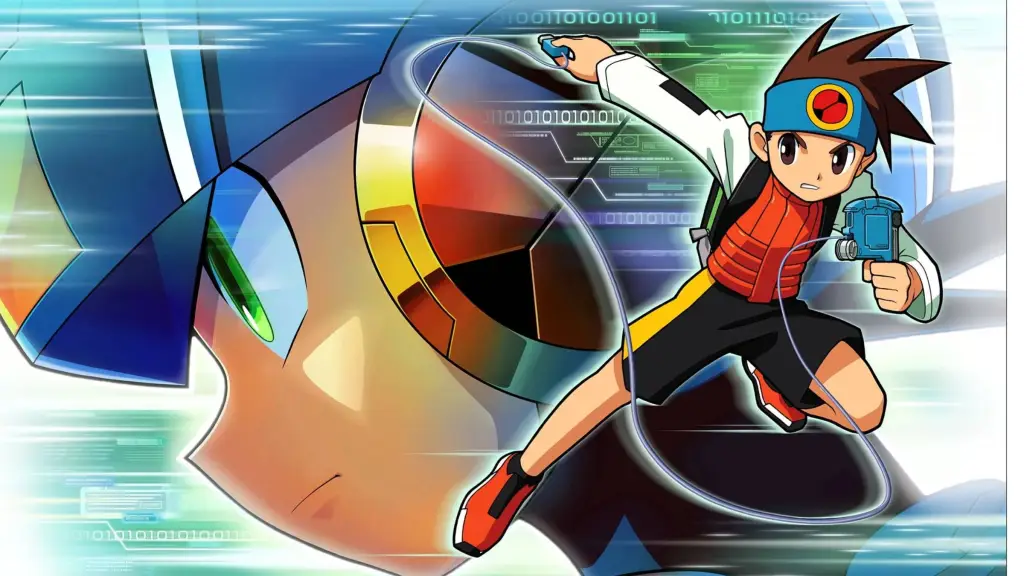
Without exaggeration, you could easily spend 50+ hours just doing postgame content in Mega Man Battle Network 3, and it wouldn’t get very old. This game from Capcom’s classic catalog hides half its total content behind the story credits, showing up as a simply star on your “Continue” menu when you boot up the game again. The already detailed world of this title simply gets bigger and bigger in the postgame, with multiple side quests, characters, and world building elements expanding your adventure in fascinating ways.
Secret areas open up from the main story too, while returning villains and other foes offer a revamped challenge that’ll test your skills beyond what the base game offered. Unlike other games in the Battle Network series, many fans don’t consider the game complete until you dive into the endgame earnestly. Most restrictions on gameplay are removed here as well, giving you far more gameplay options to discover new strategies for victory. Everything about this game’s postgame content is impressive, feeling like a great step forward while unlocking progression for better player freedom.
The greatest postgame experiences are ones where it feels like every limiting system from the main game was removed, a feeling that Mega Man Battle Network 3 captures well. Progressive endgames allow you to experience more of what you already enjoyed, without feeling like artificial or tedious extensions of a game that overstayed its welcome.
More Gaming
-
Courtesy of Wizards of the Coast