Balance is supposed to keep games healthy, not drain the life out of them. Somewhere along the line, a lot of live-service developers started treating player power like a disease that needed constant treatment. Instead of letting metas breathe and players experiment, patches began arriving like clockwork, trimming anything that stood out too much or made people feel too strong for too long.
Videos by ComicBook.com
The following games have suffered massively at the hands of this “overbalancing” concept. These games slowly lost their identity because developers became obsessed with safety, never letting anything “fun” overstep any sort of interesting boundary. These are games that still work, still have audiences, and still receive updates, but feel worse than they should because boldness was traded for endless tuning and risk avoidance.
5. Overwatch (Post-Launch / Overwatch 2)
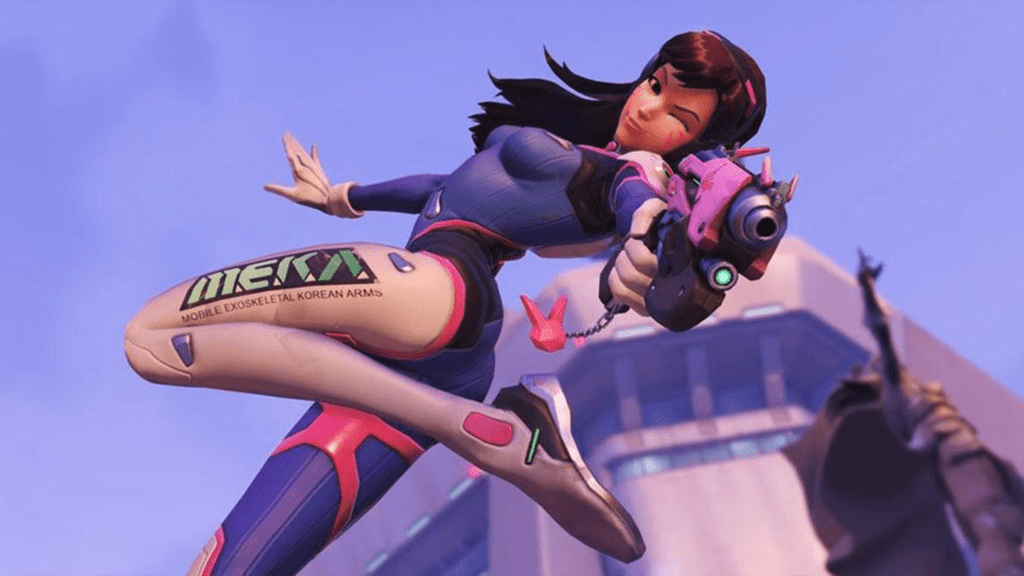
Early Overwatch thrived on controlled chaos. Heroes like Cassidy, Roadhog, and Mei were frustrating at times, but they were also memorable and distinct. Matches could swing wildly based on ult usage, positioning mistakes, or one player popping off in ways that made matches really interesting. That unpredictability made learning heroes feel worthwhile and gave the game its identity.
As the years went on, Blizzard increasingly balanced around frustration rather than excitement. Crowd control was stripped out or heavily toned down, damage spikes were flattened, and hero reworks prioritized reducing complaints over preserving identity. Overwatch 2 pushed this philosophy even further, resulting in a cleaner and more readable game that feels oddly restrained and uninteresting. The constant balancing didn’t kill Overwatch outright, but it sanded off the edges that made it special, leaving behind something technically solid but emotionally muted. A colorful game, full of gray gameplay.
4. Destiny 2

Destiny 2 has constantly flirted with greatness with the way the game allowed the use of powerful exotics to do weird and wacky things, but then pulls back at the last second. Every expansion introduces weapons, armor, and subclasses that finally let players feel like unstoppable space gods, for a time. Those moments are when Destiny is at its best, when creativity explodes and builds start doing ridiculous things no one expects.
Then the nerfs arrive, typically a few weeks to a month after new content introduction. Exotic perks get reined in, and entire builds quietly vanish from viability. Not to mention that the very concept of Sunsetting was designed to stamp out fun items players enjoyed in modes that mattered. Over time, this taught players a harsh lesson: don’t get attached to anything. Instead of encouraging experimentation, Destiny 2 conditions its community to expect disappointment. The result is a game where people still chase loot, but with far less excitement, because history has shown that anything too fun is temporary.
3. Diablo IV

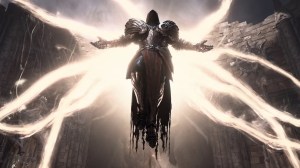
Generally speaking, Diablo has always been about excess. Strong builds, screen-clearing abilities, and the joy of pushing a character until it feels borderline unfair are core to the series. Diablo IV showed flashes of that fantasy early on, letting players discover powerful synergies that made endgame content thrilling rather than tedious.
Blizzard’s response was aggressive and often clumsy. Instead of lifting weaker builds to match stronger ones, balance patches repeatedly dragged top performers down. Entire classes were reshaped mid-season, sometimes invalidating weeks of progress. This approach didn’t just hurt balance; it damaged trust. When players feel punished for optimizing, the loot chase loses its magic, and Diablo IV becomes a game where restraint replaces experimentation.
2. The Division 2
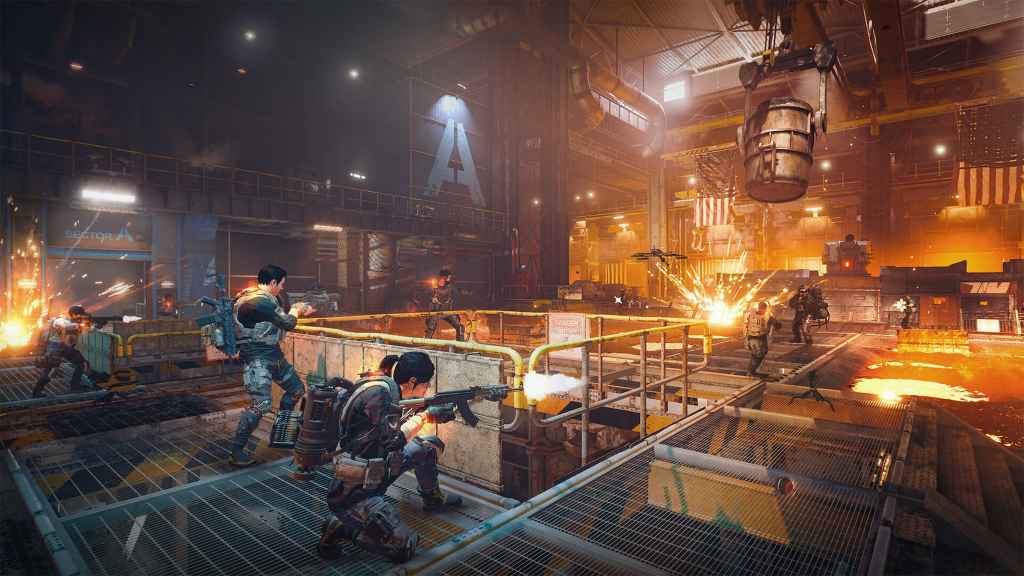
The Division 2 has always struggled with letting players feel dominant, even after investing dozens of hours into a build. Whenever a gear setup emerged that made high-level content flow smoothly, it was usually met with swift nerfs. Talents were weakened, gear sets were reworked, and damage ceilings were lowered in the name of balance.
Over time, this flattened the entire experience. Builds stopped feeling expressive, and specialization became less meaningful. Instead of rewarding mastery and commitment, The Division 2 pushed players toward safe, average setups that worked everywhere but excelled nowhere. The shooting remained excellent, but the soul of the endgame was slowly drained by an unwillingness to let players truly break the system.
1. World of Warcraft (Modern Expansions Especially)
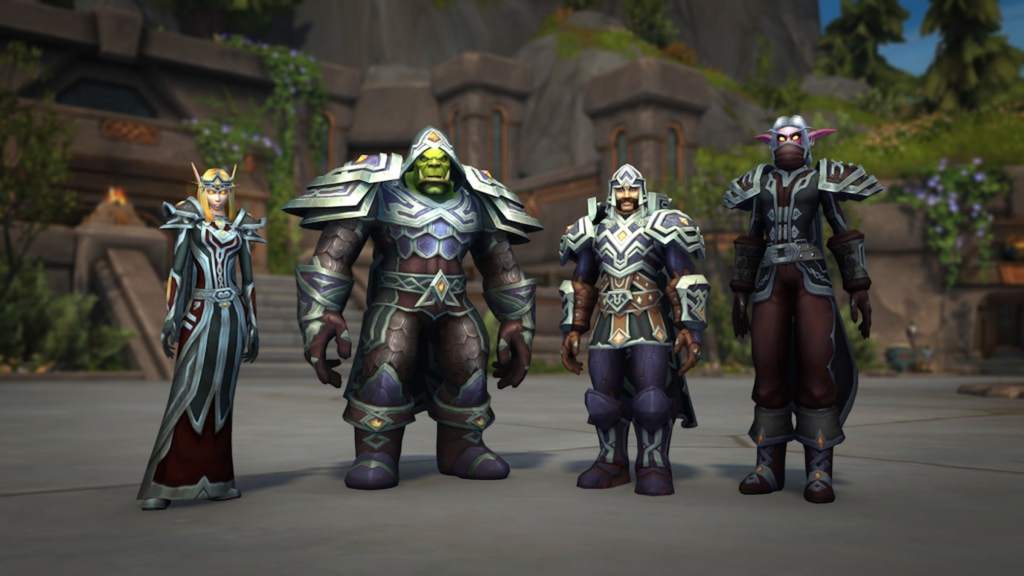
Modern World of Warcraft treats balance as a never-ending emergency. Classes are adjusted constantly, often mid-tier, which makes long-term mastery feel kinda pointless. A spec can be strong one week and quietly sidelined the next, leaving players scrambling to adapt or reroll just to stay relevant.
This relentless tuning has gutted class fantasy, with the very concept having been mutated into gray matter over the years. Abilities are softened, or outright removed for being “button-bloat”, specs feel homogenized to the point of… well, pointlessness, and bold mechanics rarely survive long enough to define an expansion. Blizzard’s fear of imbalance has resulted in a game where very little feels truly powerful or distinct. For an MMO once defined by personality and identity, that loss cuts especially deep.
What do you think? Leave a comment below and join the conversation now in the ComicBook Forum!
Most Viewed
-

Courtesy of Cartoon Network -

Image Courtesy of A-1 Pictures