It is no secret that live service games have a reputation problem. When they’re handled poorly, they feel like glorified storefronts wrapped around half-finished ideas, stuffed with shallow grinds and overpriced cosmetics. But when they’re done right, with meaningful updates and fair monetization that respects the player, they can become living worlds that grow alongside their communities. The difference is not the model itself. It is the execution.
Videos by ComicBook.com
That is why it is fascinating to look at certain games that are not live services, yet feel like they were almost designed to be. Some titles already have the progression systems, replayable structures, and loot ecosystems that beg for ongoing support, but instead receive a handful of expansions before slowly tapering off. These are the games that, in the right hands, could genuinely thrive as live service experiences without losing their soul.
5. Nioh 3
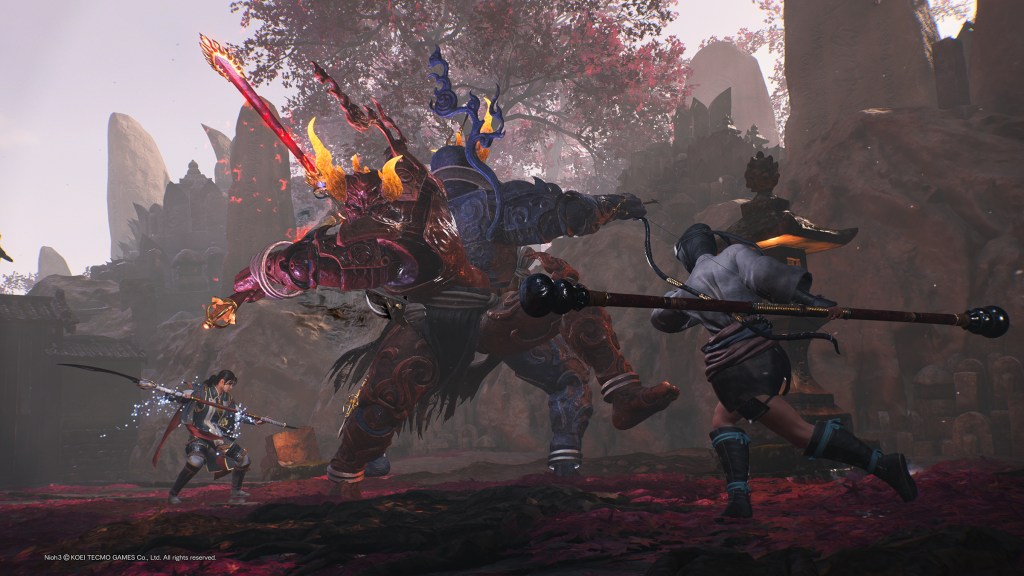
The Nioh formula is already dangerously close to a live service blueprint, because its combat depth and loot-driven progression loop create a constant desire to refine builds and chase better gear long after the credits roll. Every mission is built for replayability, every weapon category invites mastery, and every difficulty tier pushes players to reengage with the same content in new ways, which is exactly the kind of structure that thrives under seasonal refreshes and meaningful endgame additions.
If Nioh 3 embraced a model similar to Destiny 2 or Tom Clancy’s The Division 2, it would not need to reinvent itself to succeed, because the appetite for new maps, enemy variants, and weapons is already baked into its DNA. As long as cosmetic monetization remained fair and substantial expansions arrived with real mechanical depth rather than filler, Nioh could evolve into a long-term ecosystem that players willingly return to instead of a brilliant experience that eventually runs dry.
4. Monster Hunter Wilds

The Monster Hunter franchise has quietly flirted with live service ideas for years, even experimenting with fully online entries like Monster Hunter Frontier before those servers eventually went dark. With Monster Hunter Wilds, the structure is once again perfectly aligned with long-term support, because the entire experience revolves around hunting creatures for materials, crafting stronger gear, and repeating that loop in pursuit of mastery.
Transforming Wilds into a true live service would not require turning it into a full MMO, since a model closer to Warframe proves that steady content drops can coexist with a mission-based structure. The steady introduction of new monsters, hunting zones, armor sets, and evolving seasonal challenges would feel like a natural extension of what players already love, especially if cosmetic funding supported meaningful updates rather than intrusive systems that disrupt the core hunt.
3. Granblue Fantasy Relink
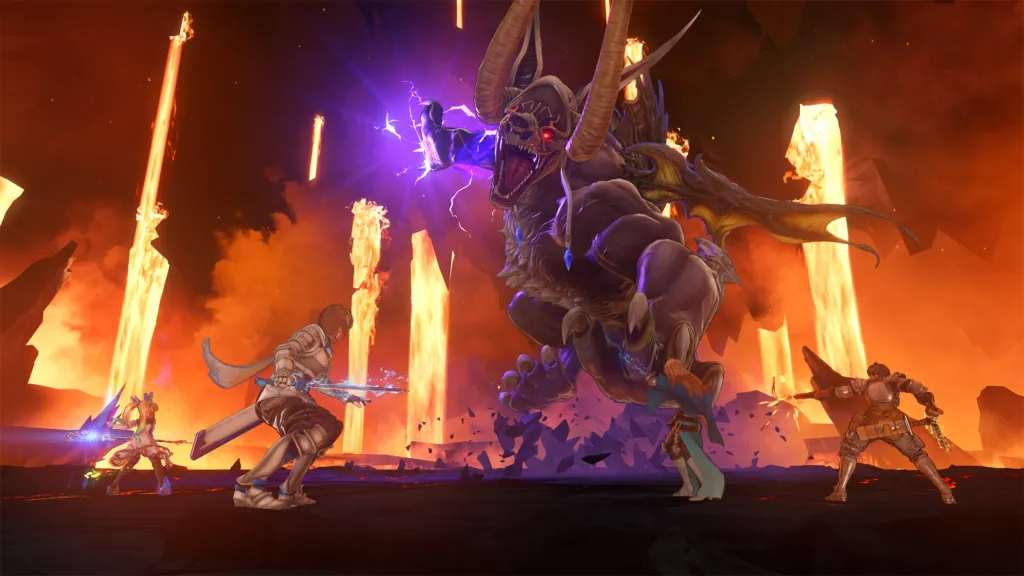
Even before release, many players assumed Granblue Fantasy Relink would lean fully into live service territory, largely because its hub-based design and mission-driven structure mirror games such as Phantasy Star Online 2. Gathering in a central location, preparing loadouts, and launching into instanced missions already creates the rhythm that most successful live services depend on, which makes its more traditional release model feel almost conservative by comparison.
Relink’s strongest asset is its cast, and that character focus would pair beautifully with ongoing support that introduces new playable heroes alongside fresh missions and evolving social spaces. Expanding the hub into a shared environment where players can visibly interact would deepen the sense of community, while steady cosmetic support and substantial expansions would provide the funding necessary to keep the world growing. With the foundation already in place and a major expansion on the horizon, the leap toward a fully supported live service feels less like a gamble and more like an untapped opportunity.
2. Borderlands 4

For a period of time, a “Borderworlds” trademark convinced many fans that the Borderlands franchise was preparing to evolve into something more persistent and connected, and that assumption did not feel far-fetched. The series has always revolved around the addictive pursuit of better weapons, and that endless loot chase aligns almost perfectly with the long-term engagement loops that define modern live service shooters.
If Borderlands 4 leaned into that identity with rotating endgame challenges and consistent loot pool refreshes, it could transform from a hit driven by periodic DLC into a constantly evolving platform. The key would be preserving the chaotic humor and co op chaos that define the series while avoiding predatory mechanics, because Borderlands does not need artificial retention tricks when its core gunplay and loot systems already provide a compelling reason to log back in.
1. Elden Ring / Dark Souls
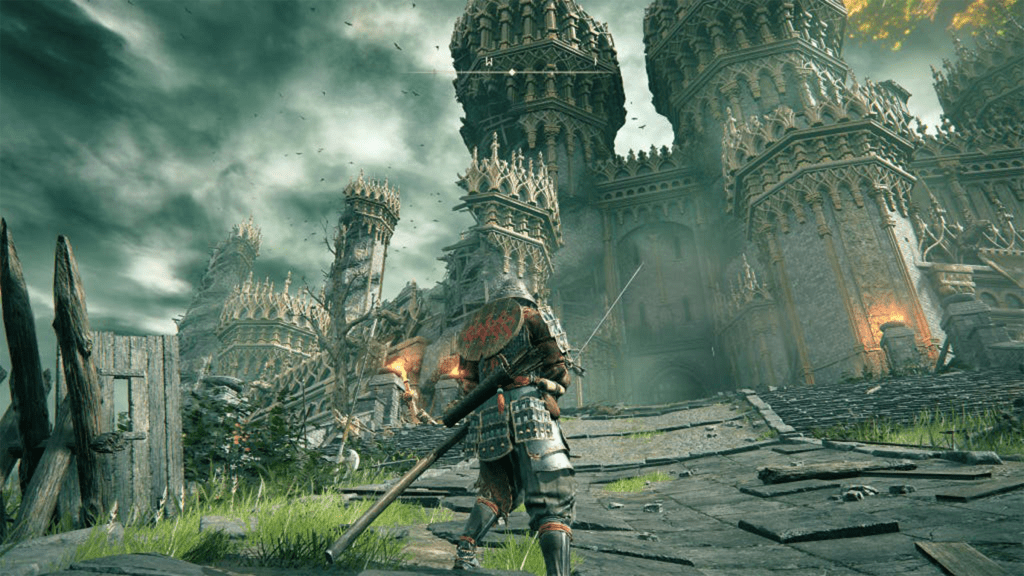
Put down your pitchforks! This is the controversial pick of the bunch, no doubt, but consider this. Elden Ring has already demonstrated how powerful mystery and discovery can be when a world feels truly unexplored. Imagining that sense of wonder returning a few times a year through large-scale paid expansions/mega updates that introduce entirely new regions, enemies, and secrets is not as absurd as it sounds, especially if those updates remain substantial and infrequent rather than constant drip-fed distractions. The core idea is that an Elden Ring live service would handle content drops much differently from the traditional model, where major content updates are paid rather than free.
This is feasible for a few reasons, as long as the quality is not compromised in any way. First off, the popularity and aspect of the game being the best adventure game ever made, means there will be players willing to continue their foray into The Lands Between for the longterm. Secondly, if any company can honestly pull this off, it’s FromSoftware, so I’d be willing to trust their judgment on this. Imagine an Elden Ring experience that has huge, Calid-sized content updates/expansions, a few times a year, without quality sacrifice. Glorious stuff. The Roundtable Hold could function as an evolving hub while solo balance, co-op, and invasions remain intact, allowing the core identity to survive untouched.
A similar philosophy could apply to the Dark Souls franchise on a smaller scale, where paid expansions or carefully implemented cosmetic support fund ongoing development without compromising design integrity. It would require restraint and unwavering quality control, but if any studio could pull off a live service model without turning it into waste, it would be one that already understands how to build worlds players refuse to leave.
What do you think? Leave a comment below and join the conversation now in the ComicBook Forum!
Most Viewed
-

Image Courtesy of Netflix -
Image Courtesy of Netflix -

Image Courtesy of Ufotable -

Warner Bros. Pictures