In modern gaming, the use of generative AI has become a major point of contention between publishers and consumers. While many companies proudly adopted the technology and argued for its uses in game development, the creatives behind the scenes called the alarm about the existential danger this could pose to the industry. Players have responded largely in agreement with the developers, loudly protesting the use of AI in games.
Videos by ComicBook.com
This has led plenty of companies to back away from their intentions to embrace the technology. However, one of the biggest international gaming companies in the world isn’t following suit. In fact, they’re leaning more heavily into the practice, all while openly defending the practice as the future of gaming. Their success — or failure — in convincing players may end up being crucial to the future of GenAI use in the medium.
NetEase Isn’t Backing Away From Gen AI

While many developers and players are decrying the use of GenAI in gaming, NetEase is doubling down on the concept. Reports initially suggesting that NetEase has stopped using the controversial technology during game development were shot down by Director of Research & Insights at Niko Partners, Daniel Ahmad. Ahmad confirmed that “NetEase has openly used Gen AI in its games and announced GenAI-related features as recently as this month” and shared a statement from the company reiterating their commitment to the tech. NetEase was one of the earlier adopters of AI in their game development, using it in everything from animation design and asset production to game testing and dialogue systems.
The sheer size of NetEase — who are also the developer behind Marvel Rivals, Where Winds Meet, and FragPunk alongside plenty of other games — speaks to how the use of GenAI in game development can spread into plenty of titles currently available and planned for future release. While they are far from the only developer or publisher to be turning to the technology, they may be one of the most blatant and confident in their use of those advancements, especially in contrast to the general direction that developers and players largely support.
NetEase Is Doubling Down On A Trend That Gamers Are Rejecting
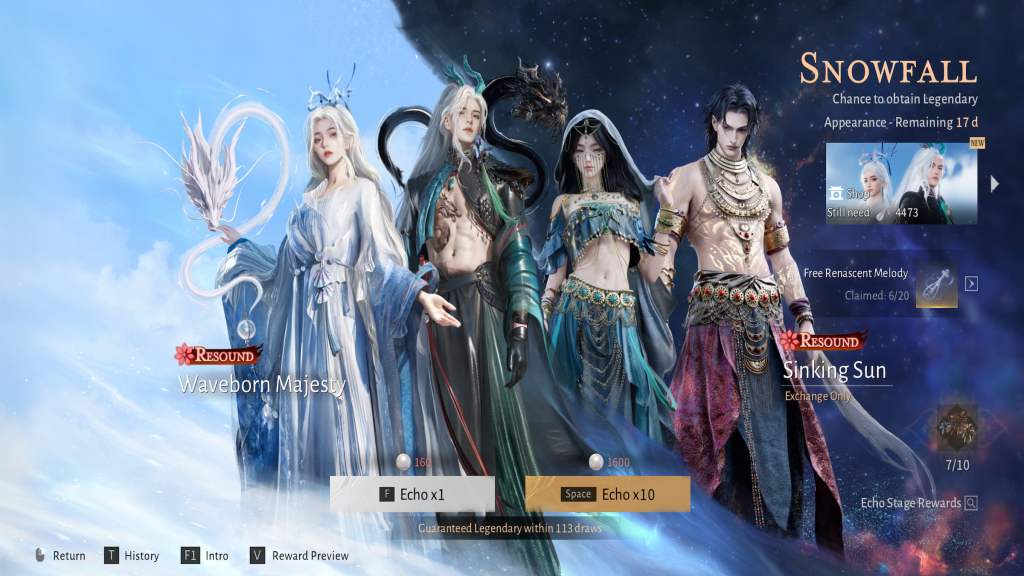
While exact feelings on the use of AI in game development can vary, the overwhelming sentiment in the gamer community is against the practice. In surveys of over 1.75 million gamers taken, 85% of responses professed a negative attitude towards the practice. It’s notable that the number of players with positive views on the use of GenAI in video games was under 7.6% of all responses — less than the people who claimed they didn’t know enough about the issue to say one way or the other.
Developers have also been following suit, with plenty of game creatives loudly proclaiming that their companies will not be using GenAI. Publishers as big as EA and Take-Two have been forced to address the player base’s distaste for the use of GenAI in development, warning shareholders that it could have serious damage on their brands if it came to light that they were using it. NetEase’s decision to not only publicly assert their use of GenAI in game development but also to shoot down any suggestions to the contrary seems to be flying in the face of general gamer sentiment.
NetEase’s Use Of GenAI Raises A Big Question About AI Use In Game Development
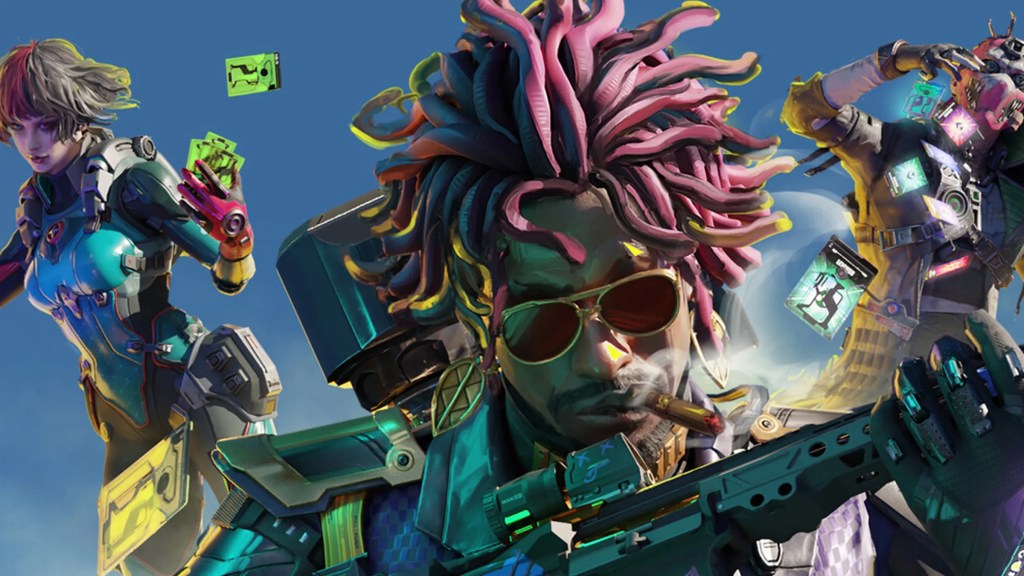
Part of the issue is that NetEase is such a massive company that gamers may not always realize that the games they’re playing are backed by a publisher that supports a practice they disagree with. NetEase has been involved in the release of ten games since 2024 alone — including massive hits like Marvel Rivals — and have long enjoyed strong relationships with companies like Blizzard and Warner Bros. Games. In many cases, those games do deploy a lot of human creativity, but they are also in part backed by a trend that gamers simply do not want to be a part of their experience.
It remains to be seen how these comments will impact the games that fall under NetEase’s umbrella. The issue may come to a head at this year’s Game Developers Conference in March, where NetEase is set to hold two panels discussing the use of AI and the defense of it as a tool in game development. If players end up turning a blind eye to the use of GenAI by NetEase, it could begin to give other developers more faith in using the technology themselves. If NetEase’s games suffer from the association, however, it may be another blow to the use of GenAI in development.
More Gaming
-

Courtesy of The Pokemon Company -

Courtesy of Xbox Game Studios