
Iron Man’s approach was still right in Captain America: Civil War, a decade since the seminal Marvel Cinematic Universe movie was released. Released in 2016, the Joe and Anthony Russo film saw the breakup of the Avengers due to differing opinions about the Sokovia Accords. The mandate would regulate the activities of superheroes in the MCU, following a series of tragedies involving the team’s operations. Captain America: Civil War served as the stepping stone towards the culmination of the Infinity Saga. The falling out between Tony Stark and Steve Rogers, which was also due to Bucky’s secret involvement in the death of the Starks, played a factor in Thanos’ attack on Earth.
Videos by ComicBook.com
The importance of Captain America: Civil War to the MCU cannot be understated. However, beyond its impact on its subsequent stories, as its core is a conundrum between two characters who had great points to raise. Stark was primarily presented as the antagonist in this narrative, considering that Rogers was headlining the threequel. That said, because Marvel Studios did a good job of developing their arcs leading up to their conflict, it was difficult to pick one side, as both were coming from their respective experiences. Objectively, however, Iron Man’s approach in Captain America: Civil War was correct.
Iron Man Had A Plan To Address The Sokovia Accords, Captain America Didn’t
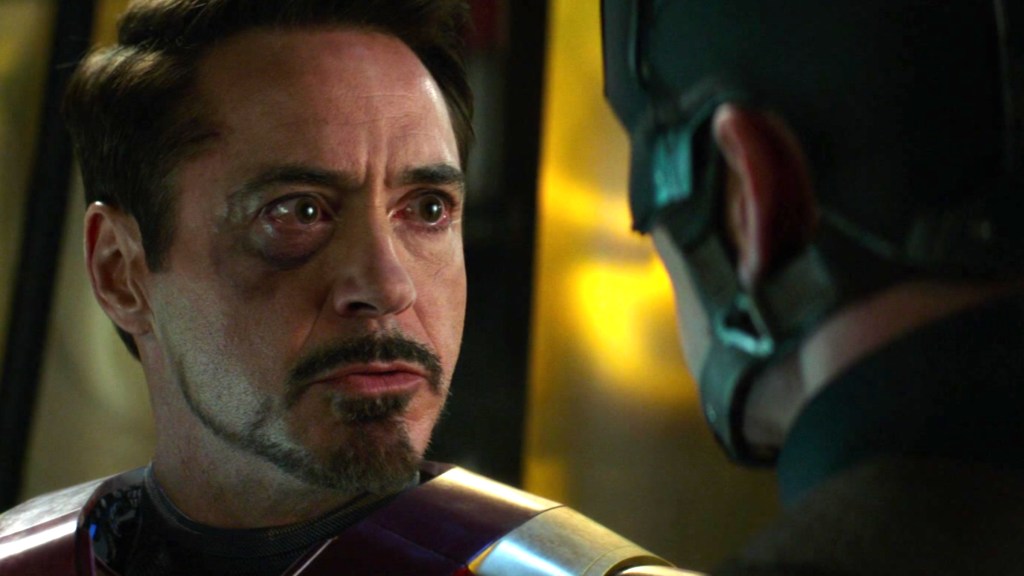
Much has been said about about opposing sides in the Captain America: Civil War over the years. The fact that it remains to be a favorite topic of conversation among the MCU fanbase shows how difficult it was to make a choice between Stark and Rogers. Disregarding all the extra complications of the conflict, including Bucky’s murder of the Starks, and only focusing on the original issue, it’s clear that Iron Man’s approach made more sense. Stark’s idea was to mitigate the situation by signing the Sokovia Accords as a way of showing good faith and preventing any hostility towards them from the United Nations, which would have made the situation more difficult. Rogers, on the other hand, was adamant about not signing, but he didn’t have any actionable plan beyond that, opting to just punch his way through it.
While the skepticism and concerns over submitting to the Sokovia Accords made total sense, Stark had a plan to make sure that the superheroes’ rights would be preserved. During his one-on-one conversation with Rogers as an attempt to convince him to finally sign the papers, he laid out the next steps in place to ensure that they wouldn’t be taken advantaged of. The Star-Spangled Avenger was actually about to get onboard the plan, but he backed out after learning about Wanda being contained in the Avengers’ facility — not as a prisoner, but to keep her safe while they waited for things to cool down. In fact, she didn’t even have any thoughts of breaking out until Hawkeye came in. In hindsight, there’s another argument to be made about how Wanda may have been in a better place if he had stayed in the compound with Vision.
After his failed attempt, Stark once again tried to convince Rogers when they met in Germany. He argued that he was trying to keep the team together, knowing that there was a bigger threat coming and being on the run would make it difficult for the Avengers to protect Earth. Unfortunately for him, Captain America was more focused on the principles of the Sokovia Accords rather than the consequences of their falling out. He wasn’t open to any kind of compromise and wasn’t looking to resolve the matter; he only wanted his way. It was an immature and dogmatic approach to a situation that involved the fate of Earth.
The Rest Of The Infinity Saga Proved Iron Man’s Civil War Approach Was Correct
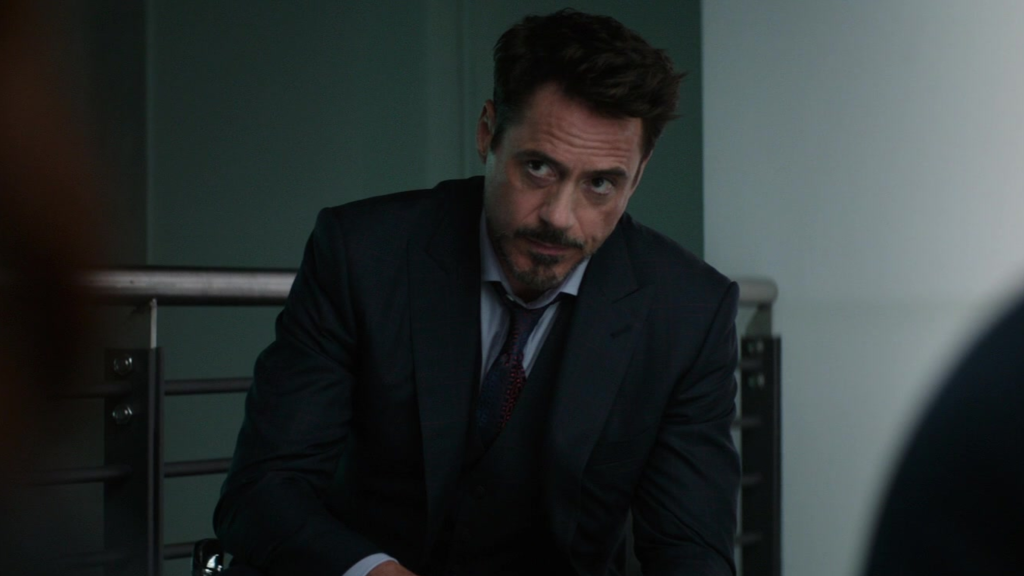
Captain America: Civil War was brilliant with the way it was able to seamlessly subverted the expectations on Stark and Rogers. Before the threequel, Chris Evans’ hero was painted as the objective leader — one who carefully weighed out the options and did the best for the majority of people. Robert Downey Jr.’s character, on the other hand, was seen as reckless and rebellious. Subsequently, the rest of the Infinity Saga proved that Iron Man’s approach to the Sokovia Accords situation was correct. In the grand scheme of things, signing the mandate and being allowed to continue operating as a unit would have been worth the term haggling that followed — something that Stark was already working on in Captain America: Civil War.
Fighting the Sokovia Accords led to the break-up of the Avengers, which made it easier for Thanos to attack Earth in Avengers: Infinity War. For a couple of years, Team Captain America had to go underground and operate in the wind. Instead of being able to more comfortably and presently do their job to protect humanity, they were on the run as vigilantes. Meanwhile, Stark had to do make sure that they were ready for the looming threat that was coming. Comparing the events of Avengers: Infinity War and Avengers: Endgame, Earth’s Mightiest Heroes would have had a better chance of defeating Thanos early on without having to go through the Blip had they stayed together. Granted Doctor Strange’s one timeline declaration, maybe they wouldn’t have even had to reach that point in Titan if the Avengers were readily available to fend of the Mad Titan’s advances early on.
What do you think? Leave a comment below and join the conversation now in the ComicBook Forum!
