It’s been a decade, and Rogue One: A Star Wars Story has aged like a wine fine. One of Disney’s most successful Star Wars movies, Rogue One is remarkable in that it has such a strong approval rating (the Audience Score on Rotten Tomatoes stands at an impressive 87%, actually higher than the film’s critic score). This is all the more impressive when you remember the behind-the-scenes drama that led to Tony Gilroy taking over from Gareth Edwards during production. Somehow, Rogue One proved that extensive reshoots are not fatal.
Videos by ComicBook.com
But ten years on, it’s worth taking a step back and asking critically: why has Rogue One been embraced by the Star Wars fandom, when Disney’s wider approach hasn’t been particularly successful? The sequel trilogy became increasingly divisive, the anthology films were shelved after Solo‘s box office failure, and the various Star Wars Disney+ TV shows have released to diminishing returns. Why has Rogue One worked, when so many other Disney-era Star Wars releases have struggled?
Rogue One Was the Natural Evolution of Star Wars
George Lucas always tended to claim he had Star Wars planned out from the start, but it’s always been clear that’s a convenient bit of spin; the first draft of The Empire Strikes Back (commissioned from Leigh Brackett) didn’t even feature the famous “I am your father” reveal. In reality, Star Wars has always been changing and evolving. Luke Skywalker started out as a wish-fulfillment everyman hero, morphing into a legacy hero in ESB. The prequels changed the focus completely, with Lucas now declaring the whole saga was centered on Anakin rather than Luke. The Clone Wars improved Anakin’s fall, adding a Padawan student into the mix.
But there’s a sense in which Rogue One was the only Disney era film to truly evolve the Star Wars franchise. It changed focus again, moving away from the Jedi and the Force, and instead centering itself on the everyday heroes who sacrificed so much to defeat the Empire. There’s a sense in which it returned to the everyman hero model, because the heroes of Rogue One really were people just like us, with nothing remarkable about them bar their willingness to sacrifice for the sake of the rebellion. What’s more, despite the tragic fate of Rogue One‘s characters, the end is incredibly optimistic.
Darth Vader’s Rogue One cameo is far more than just a cool hallway scene, a fan-pleasing moment that’s thrilling because it shows just how dangerous the Sith Lord really is. Rather, the arrival of the Sith Lord ups the stakes incredibly – and yet the heroes win, despite (or, perhaps, because of) the price they must pay. Darth Vader may be the Chosen One, but he fails to retrieve the Death Star plans, and his failure ultimately leads to the downfall of the Empire. The fate of the galaxy rests not on the shoulders of giants, but on little people who are willing to stand up. The message of Rogue One is strikingly powerful, incredibly empowering.
Rogue One’s Message Has Improved Over Time

It is, of course, impossible to look back on Rogue One without recognizing the stories that came from it. Rogue One was accompanied by one of the best publishing initiatives Lucasfilm has ever run; there’s a fantastic novelization by Alexander Freed, while James Luceno’s prequel novel Catalyst is essential reading. But it took six years for the best tie-in of all to come out, Gilroy’s Andor. It’s amusing to remember how critical the fandom was when this was announced, with the fanbase pretty much united in declaring it unnecessary, something nobody wanted or needed.
This is what fandoms often forget (and, to be fair, studios do as well). A studio’s job is not just to make what fans want; it’ i’s to make something so good that fans are won over and realize this is better. That, incredibly, is what Tony Gilroy pulled off with Andor. This epic series takes advantage of the long-form narrative possible in a two-season TV show to develop the characters and themes of Rogue One, showing the true cost of resisting fascism – but of the need for the everyday people to rise up regardless. Andor works because it continues Rogue One‘s evolution of Star Wars.
Rogue One & Andor Have a Fundamentally Different View of History
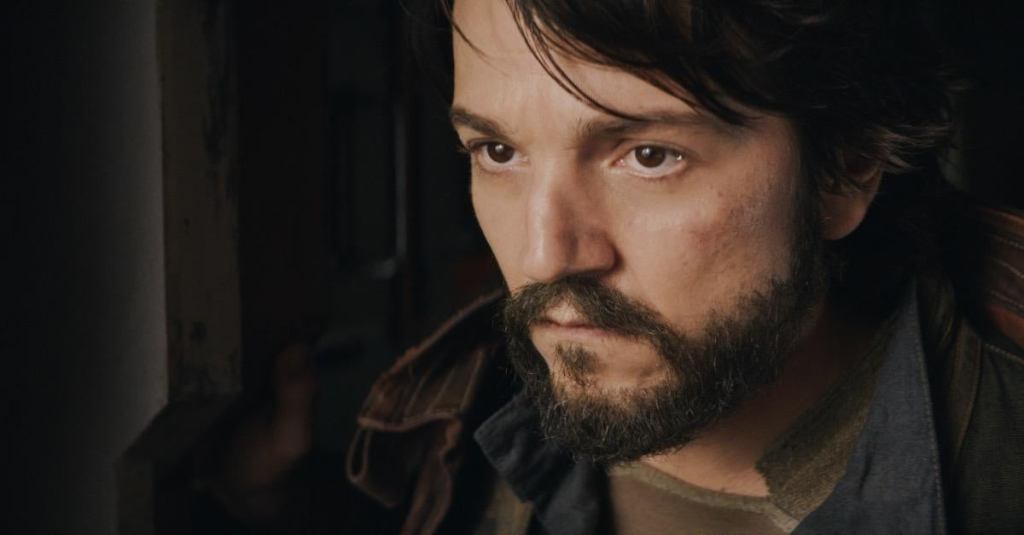
Rogue One simply presents a different vision of history to the main Skywalker saga. The trilogy of trilogies tends to focus in on a version of the “Great Man” theory of history; that history is really directed by a handful of key people, Chosen Ones and Emperors who stand astride the galaxy like a colossus. This philosophy is very much in vogue right now (regardless of your political views, there can be no doubt Donald Trump seems himself in this vein). But it’s disempowering to the vast majority, the everyday people who simply have to endure or embrace the choices of these “Great Men.”
To be fair to George Lucas, this wasn’t really the message of Star Wars he intended to send in the first place. Luke Skywalker was originally an everyman hero, positioned as an ordinary man who learned even a nobody from a backwater desert world could save the galaxy. He allowed audiences to exercise wish-fulfillment, imagining they were the ones who decided history just like the Tatooine farmboy. But this theme was accidentally lost as Star Wars evolved, although the sequels made a stumbling (and ultimately aborted) attempt to restore it with Rey “nobody.”
Rogue One – and Andor after it – present a very different view of history. Here, the Great Men of history attempt to impose their will but their regimes only survive so long as ordinary people feel they are disempowered and consign themselves to living under their authority. But when everyday men and women choose to stand up, resisting and imposing their own will no matter the cost, even the Chosen Ones cannot stop them. It’s a wonderfully empowering message, closer to the one Lucas originally intended to present, and it’s delightful to see it emerge in modern Star Wars.
What do you think? Leave a comment below and join the conversation now in the ComicBook Forum!
Most Viewed
-
Image courtesy of Tor Books/Macmillan -

Official art by Bastien Lecouffe-Deharme