One month has passed since Wicked: For Good opened in theaters, and viewers are still scratching their heads about the movie’s many plot holes. The second part of director Jon M. Chu’s film adaptation of Wicked has received mostly positive reviews. However, critics and general audiences have noted pacing issues and narrative inconsistencies as some of its flaws. Wicked: For Good resumes after Elphaba (Cynthia Erivo) was unjustly branded the Wicked Witch of the West for refusing to help the Wizard (Jeff Goldblum) persecute the Land of Oz’s animals. The green witch hides out in the Ozian forest, planning to expose the Wizard’s corruption to the masses. Simultaneously, Glinda (Ariana Grande) basks in her status as a public figure and finds herself engaged to Prince Fiyero (Jonathan Bailey). Yet, the Good Witch feels unfulfilled by having everything she wants amid Oz’s vilification of Elphaba.
Videos by ComicBook.com
Aligning with the Broadway musical’s story, Wicked: For Good frequently references L. Frank Baum’s The Wizard of Oz, which inspired Gregory Maguire’s Wicked novel. Some of the film’s shortcomings were present in the stage production, though a few of Wicked: For Good‘s surprising changes result in new problems. The following five plot points in Wicked: For Good still don’t make sense even one month after the movie’s release.
5) Fiyero Meeting Dorothy on the Yellow Brick Road
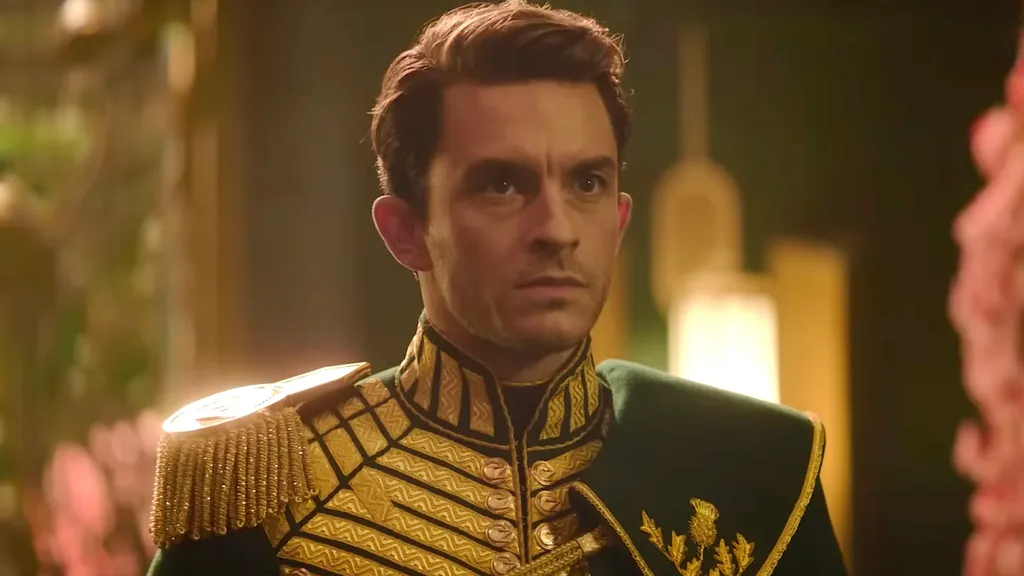
After Fiyero steps in to allow Elphaba’s escape from the Gale Force’s clutches, he’s captured and severely beaten by his own men. Unbeknownst to the audience at the time, Elphaba’s spell during “No Good Deed” saves Fiyero’s life by turning him into a scarecrow. Fiyero then becomes the Scarecrow in search of a brain who accompanies Dorothy (Bethany Weaver) on her journey to see the Wizard, which eventually leads them to the Wicked Witch. The problem here is that Wicked: For Good neither shows nor explains any of Fiyero’s interactions with Dorothy. Anyone who has seen The Wizard of Oz can infer how Fiyero joins Dorothy’s squad, but Wicked: For Good‘s narrative differences make this situation hard to believe.
Dorothy and Toto have already begun their trek on the Yellow Brick Road by the time Fiyero becomes the Scarecrow, so it’s not clear how he ends up ahead of her in time for them to meet. Presumably, Fiyero tags along with Dorothy as a means to find Elphaba, but he couldn’t have known that the girl from Kansas would lead him to her. In The Wizard of Oz, Dorothy and the others aren’t aware they need the Witch’s broomstick until after they speak with the Wizard in the Emerald City. Furthermore, Fiyero has no idea that Elphaba is after Dorothy because by the time he arrives, Dorothy has already taken Nessarose’s (Marisa Bode) shoes and started her journey. Fiyero’s alliance with Dorothy couldn’t have been the brilliant scheme Wicked: For Good paints it as.
4) Dorothy Returning Home Without Glinda’s Help
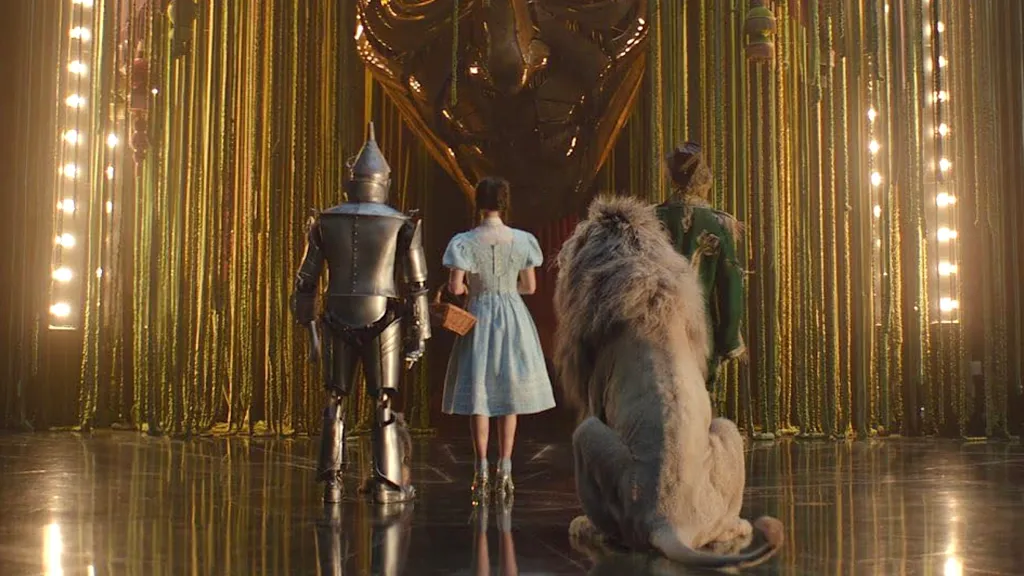
One of The Wizard of Oz’s most famous scenes sees Dorothy repeat the phrase, “There’s no place like home,” and click her shoes three times to travel back to Kansas. With the help of Glinda, she succeeds in activating the magic ruby slippers. Wicked: For Good never explains how Dorothy leaves Oz. Glinda can’t use magic, and it’s safe to assume that Dorothy doesn’t know her shoes are enchanted. A brief shot toward the end of the film depicts Dorothy in the Wizard’s hot air balloon from afar, but if the story remains even somewhat faithful to The Wizard of Oz, she’ll be forced to find another way home.
It must be noted that Dorothy only arrived in Oz due to Madame Morrible’s (Michelle Yeoh) powerful cyclone; thus, it makes sense for some form of wizardry to also be required for her departure. There are far more important things in Wicked: For Good than Dorothy’s fate, so this isn’t the most glaring of plot holes. Still, one has to wonder how, without the use of magic and the encouragement of Glinda, Dorothy returns to Kansas.
3) Nessarose Casting a Spell from the Grimmerie
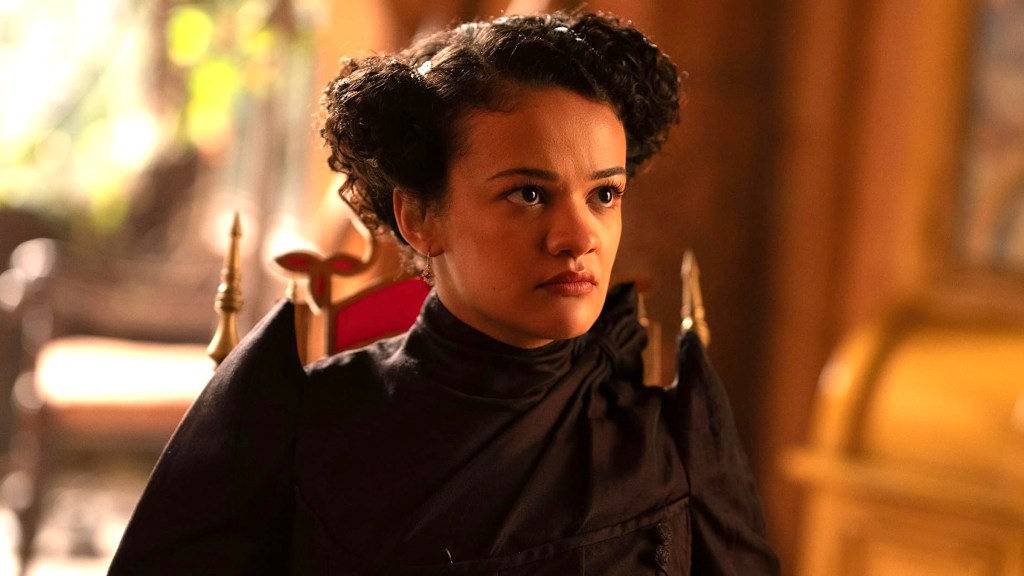
Wicked makes it clear that the Grimmerie opens for almost no one and that very few are capable of reading its words and performing its spells. Wicked: For Good repeats one of the musical’s most bothersome plot holes when Nessarose, heartbroken over Boq’s (Ethan Slater) rejection, attempts to steal his heart with the Grimmerie. Because she mispronounces the words, the spell terrifyingly shrinks Boq’s heart. Elphaba then fixes her younger sister’s mess by turning Boq into the Tin Man. Inexplicably, Nessa can wield the Grimmerie’s magic despite not possessing any magical abilities. Wicked: For Good strongly implies that Elphaba gains her powers from her parentage. With the Wizard as her father, Elphaba is a unique child of both worlds, but Nessa’s parents both hail from Oz.
There’s no reason to believe that Nessa would inherit the same gift. Even though Nessa botches the spell, it shouldn’t have affected Boq at all because she has no power. Neither Wicked: For Good nor the stage musical explains why Nessa can use magic; however, some fans have theorized that her shoes, on which Elphaba cast a levitation spell minutes earlier, enable her to channel the Grimmerie’s magic. Still, no definitive answer to this question is found in Wicked: For Good, and it remains a perplexing moment in the movie.
2) The Lion Cub Becoming the Cowardly Lion
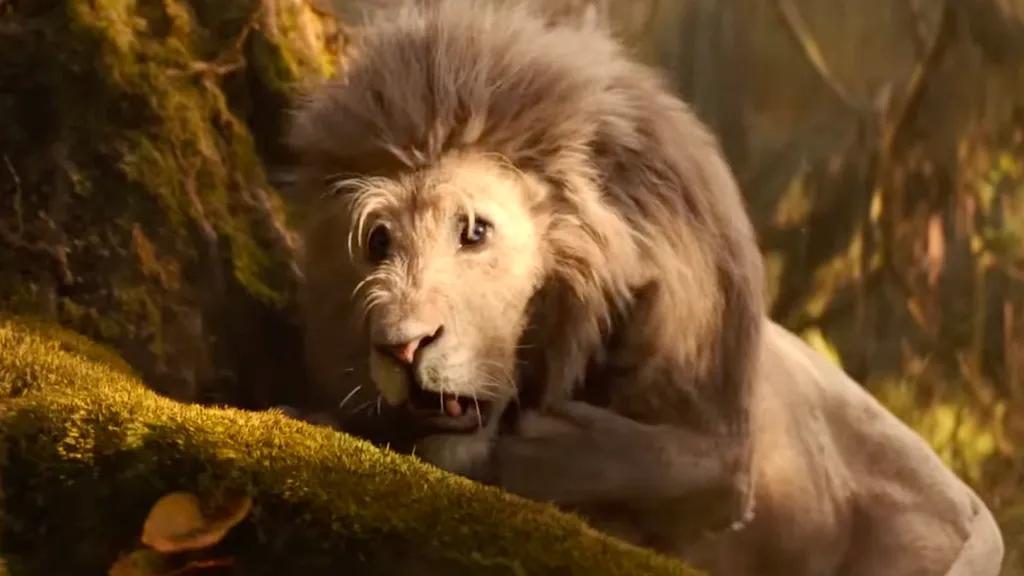
In Wicked: For Good, the Cowardly Lion (voiced by Colman Domingo) is revealed to be the lion cub whom Elphaba and Fiyero previously rescued from a cage and released in the woods. He’s strangely hostile toward Elphaba and immediately expresses his distrust of her at the end of “No Place Like Home.” Wicked: For Good doesn’t explicitly provide a reason for the Lion’s resentment of Elphaba, yet one can assume that he had been propagandized into hating her like other Ozians. What comes out of the blue is the Lion’s extreme fearfulness. Of course, he has to be the Cowardly Lion to resemble The Wizard of Oz‘s feline character, but there’s no way to rationalize how growing up free in the Ozian forest instead of in captivity made him scared of everything.
The Tin Man’s claim that “If [Elphaba] had let [the Lion] fight his own battles when he was young, he wouldn’t be a coward today” in “March of the Witch Hunters” is a nonsensical justification for the Lion’s character, even when viewed as blatant propaganda. Elphaba and Fiyero never encounter the Lion after setting him free. From that point forward, he was granted a life on his own terms and without restrictions. Perhaps the Lion endured some undisclosed trauma for which he blames Elphaba, but audiences will never know for sure since Wicked: For Good offers no insight into the Lion’s upbringing. This could have been an opportunity to flesh out the iconic Wizard of Oz character’s backstory, but Wicked: For Good leaves the Cowardly Lion’s personality a complete mystery.
1) The Grimmerie Opening for Glinda
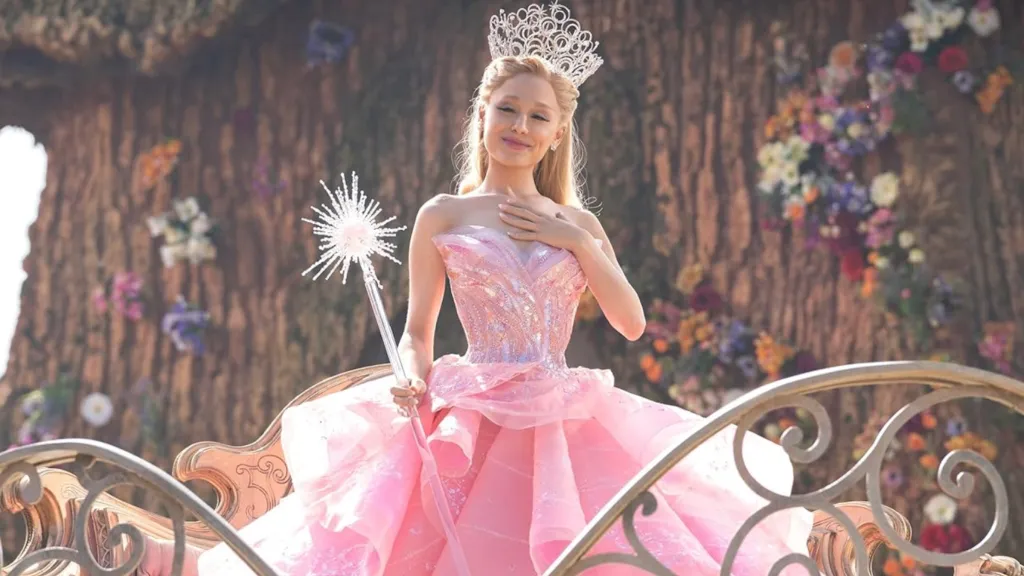
Wicked: For Good‘s final sequence depicts Glinda revisiting the tower where Elphaba sang “Defying Gravity” and gazing toward the western sky in remembrance of her friend. Suddenly, the Grimmerie flutters open, possibly confirming that Glinda has gained the ability to conduct magic. Although the meaning of this scene is up to interpretation, it makes no sense for the Grimmerie to open for Glinda at this point in the story. Wicked‘s lore decrees that the Grimmer only unseals itself for those who are truly good, hence why it opened for Elphaba and not Madame Morrible. Wicked: For Good‘s ending emphasizes that Glinda isn’t good yet; rather, she has decided to embark on a path toward goodness. Removing the Wizard and Madame Morrible from power are merely the first steps to achieving goodness, as much more work is required to dismantle Oz’s oppressive systems and reform its prejudiced citizens.
It doesn’t appear that Wicked: For Good‘s finale takes place overly far in the future, making it unlikely that Glinda has become good since declaring her intention to change her ways. Therefore, the movie contradicts its own story when the Grimmerie solidifies Glinda as good almost immediately after. What was presumably designed as a surprising and uplifting deviation from the Wicked stage musical makes absolutely no sense. Wicked: For Good fails to develop Glinda to a point where she earns access to the Grimmerie, rendering this all-important moment ill-fitted for the character. The Grimmerie’s opening for Glinda is not only implausible, but it also needlessly cheapens Wicked: For Good‘s bittersweet conclusion.
What do you think? Leave a comment below and join the conversation now in the ComicBook Forum!
Most Viewed
-
Image Courtesy of DC Comics -
Image Courtesy of MAPPA -
Courtesy of TOHO Animation