Since Georges Méliès’ A Trip to the Moon at the turn of the 20th century, science fiction has been a sandbox in which filmmakers have built visions of the future. Often expressing the sentiments of the culture at large, we’ve moved from the futuristic Americana and optimism of the 1950s to the cerebral arthouse wave, to the populist blockbuster era, to the immaculate prestige sci-fi of today.
Videos by ComicBook.com
With works spanning space opera, cyberpunk, dystopian, first-contact, hard sci-fi, soft sci-fi, horror sci-fi, and more, the genre’s greatest directors are true masters of the craft. To paint a picture of tomorrow requires a knack for both fiction and foresight, yet the 10 filmmakers on this list all bring something unique to the table. Here are the greatest sci-fi film directors of all time, and their magnum opus, which we’re defining as the best or most important movie of their entire career.
10) David Cronenberg: Videodrome
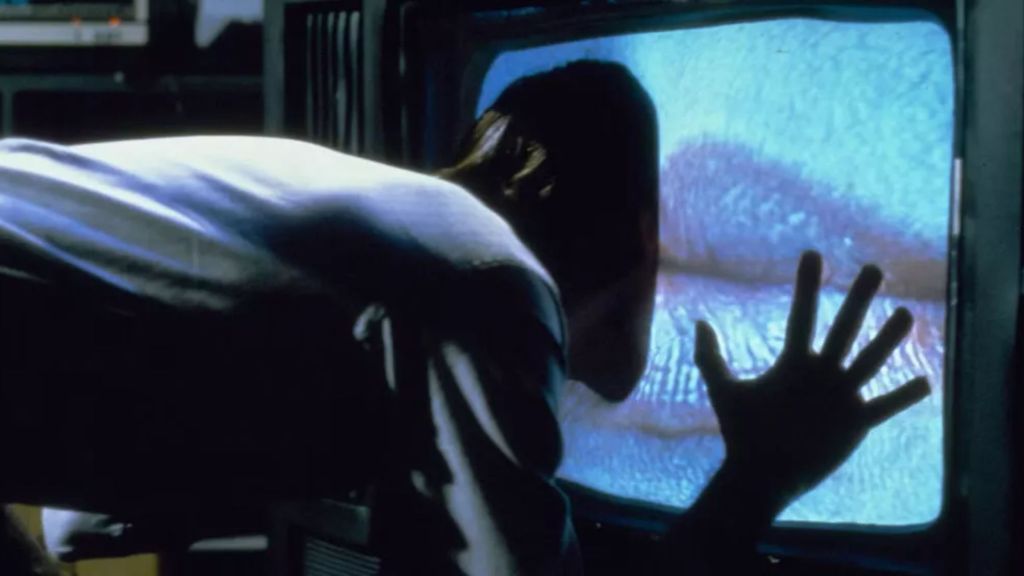
Known primarily for disturbing, practical horror effects, David Cronenberg (dubbed the “Baron of Blood”) is a pioneer of the body-horror genre and remains one of the best to ever do it. While there is a case to be made for his most popular movie, The Fly, as his magnum opus, his best work tends to linger around the intersection of humans and technology, and no other film does this as well as Videodrome.
His 1983 masterpiece takes us on a ride through the media-induced hallucinations of a failed newsman. The cautionary tale also features some of the most iconic imagery of Cronenberg’s career. Once a true cult classic, Videodrome is now widely considered a defining masterpiece of both science fiction and body horror.
9) Christopher Nolan: Interstellar
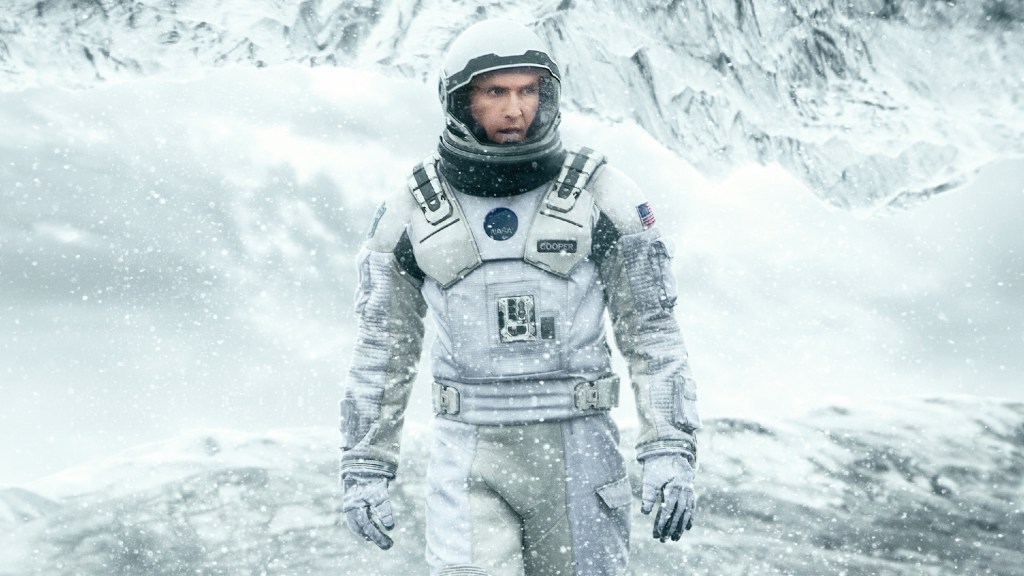
One of the great blockbuster wizards of the modern era, Christopher Nolan, has played with many genres; many even consider his opus to be his superhero sequel, The Dark Knight. However, there’s no debate that the Inception director is also a master of sci-fi, and his hard sci-fi epic Interstellar has proven to be his most enduring film and a favorite among fans.
Though the film was released in 2014, Interstellar’s large and devoted fanbase can still be found arguing over details or discussing how they still “ugly-cry” alongside Matthew McConaughey. It’s easily the most ambitious, scientifically complex, and philosophical story he’s ever told, and the perfect example of how he is consistently proving to studios that mainstream audiences appreciate smart films.
8) James Cameron: Terminator 2

James Cameron is the household name behind some of the biggest sci-fi films of all time, including Aliens, The Terminator, and the Avatar franchise. He’s known as a pioneer of filmmaking technology, often literally inventing new tech for his movies, including for Terminator 2: Judgment Day, where he partnered with Industrial Light & Magic to create groundbreaking CGI and digital morphing technologies for the liquid metal T-1000 character.
Though it may not be his biggest box office success, T2 is Cameron’s best sci-fi film. A rare example of a sequel that surpassed the original, T2 is a defining sci-fi action movie that is no less deep than the others on this list, exploring themes like free will vs. fate and the ethics of AI. Ultimately, T2 paved the way for his later works, such as Avatar.
7) John Carpenter: The Thing

A prolific composer/director extraordinaire, John Carpenter is perhaps the most prolific creator of sci-fi cult classics since Jack Arnold (Creature of the Black Lagoon). Working between the horror and sci-fi genres, Carpenter is the visionary behind They Live, Escape From New York, Dark Star, Star Man, and many more, though his magnum opus is unquestionably his 1982 monster movie, The Thing.
An essentially perfect sci-fi creature feature, The Thing features a group of American researchers in Antarctica who encounter an E.T. that can assimilate and imitate. Despite an initial poor reception, The Thing has proven itself as a masterpiece in minimalist direction and practical effects, which still holds up today.
6) Ridley Scott: Blade Runner

Known for his extraordinary world-building and instincts with detail, Ridley Scott is one of the most influential filmmakers in sci-fi history, responsible for two genre-defining classics: Alien and Blade Runner. While it was Alien that put him on the map as one of the greats, it’s Blade Runner that cemented him as a true visionary.
The 1982 neo-noir masterpiece imagines a rainy, neon, near-future Los Angeles populated by AIs called replicants and ultimately asks what it truly means to be human. Despite a troubled production and disappointing initial reception, Blade Runner has only grown in stature over the decades. It essentially invented the visual language we now associate with cyberpunk, becoming a template for the sci-fi subgenre.

5) Denis Villeneuve: Dune Part Two

Speaking of Blade Runner, Denis Villeneuve (who directed the sequel) is easily one of the most distinctive voices in modern sci-fi, having worked exclusively within the genre since his 2016 first-contact hit Arrival. Proof that the genre was still relevant, Arrival and Blade Runner 2049 would be #1 in the filmographies of most other filmmakers. However, in hindsight, we can now see that he was building up to something extraordinary: his Dune trilogy.
While Part One feels like the setup, and Part Three has yet to be released, Dune Part Two is the biggest, most exciting, most ambitious, and most visually stunning film on Villeneuve’s resume to date. Unlike some of the others on this list, Villeneuve is widely considered a true auteur filmmaker, with a signature style that features grand, brutalist imagery, all-consuming sound design, and minimal dialogue. Where directors like Scott and Cameron are supreme craftsmen, Villeneuve is a unique voice with something to say. Taking on Frank Herbert’s notoriously unfilmable novel, Villeneuve delivered on the most ambitious successful sci-fi adaptation ever attempted.
4) Fritz Lang: Metropolis
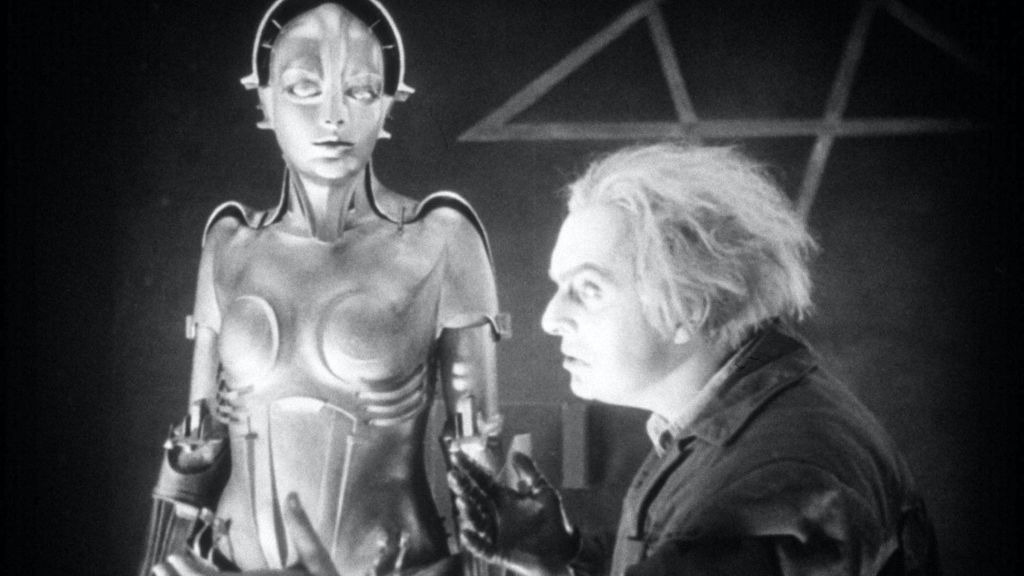
Even before science fiction was recognized as a genre among the general public, Fritz Lang was defining its core tenets. The German expressionist master’s 1927 silent epic Metropolis is the foundation upon which virtually all science fiction cinema has been built, introducing the original dystopian cityscape and visualizing iconic character archetypes such as the rebellious robot, the tyrannical industrialist, and the exploited underclass, all of which are central to the genre a century later. Every cyberpunk film ever made, including the Blade Runner films of the directors lower on this list, owes Lang a direct debt. Even given the limitations of comparing the silent era with sound cinema, Metropolis is a singular vision of the future that belongs in any honest conversation about the genre’s greatest achievements.
3) Steven Spielberg: Close Encounters of the Third Kind
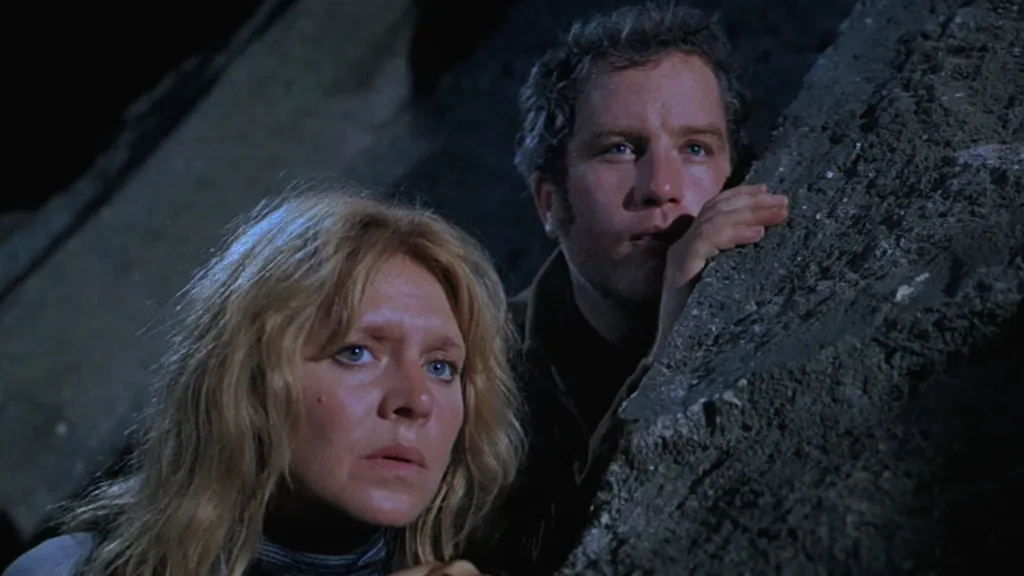
No filmmaker has done more to marry the shiny, metallic edge of sci-fi with the audience’s actual emotional experience than Steven Spielberg. Without him, the genre would never have become the dominant force in Hollywood it is today. Where so much sci-fi prioritized either the spectacle or the cerebral, Spielberg makes his films for the heart. While the magnum opus of his entire career is debatable, his 1977 masterpiece Close Encounters of the Third Kind is easily his best sci-fi film, and maybe even the best first-contact movie ever made. A story about wonder, obsession, and humanity’s yearning to believe in something greater than itself, Close Encounters is ambitious and uncompromising; the film’s final sequence is still one of the most overwhelming cinematic experiences in history.
2) Andrei Tarkovsky: Solaris
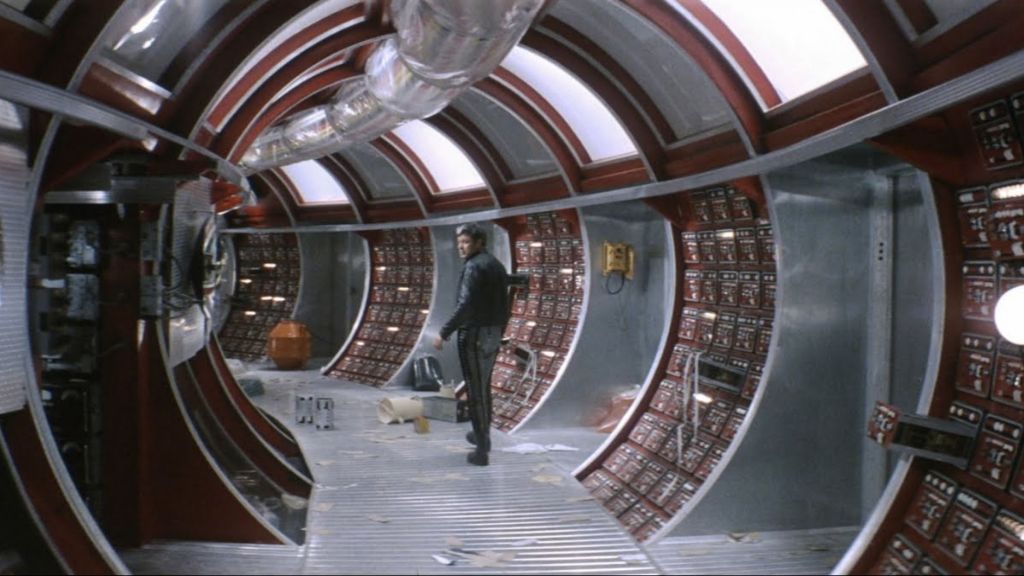
Soviet arthouse master Andrei Tarkovsky is widely considered one of the greatest filmmakers of all time. While his contributions to the genre are limited in number, with just two films that fit the bill, Solaris and Stalker, his vision, influence, and singularity cannot be overstated. Poetic and often slowly paced, Tarkovsky’s work tends to focus itself around metaphysics or spirituality, probing the furthest depths of his concepts and characters. His 1972 adaptation of Stanislaw Lem’s novel Solaris is his magnum opus, both within and beyond his sci-fi works.
A tale of a psychologist investigating a dysfunctional space station who is forced to confront his own repressed memories, Solaris is a masterpiece that rewards any serious film lover willing to undergo the rite of passage. In addition to influencing many of the other filmmakers on this list and inventing sci-fi archetypes like “haunted space” and the “unknowable alien,” Tarkovsky’s Solaris aschews technobabble to investigate the inner workings of the human mind.
1) Stanley Kubrick: 2001: A Space Odyssey
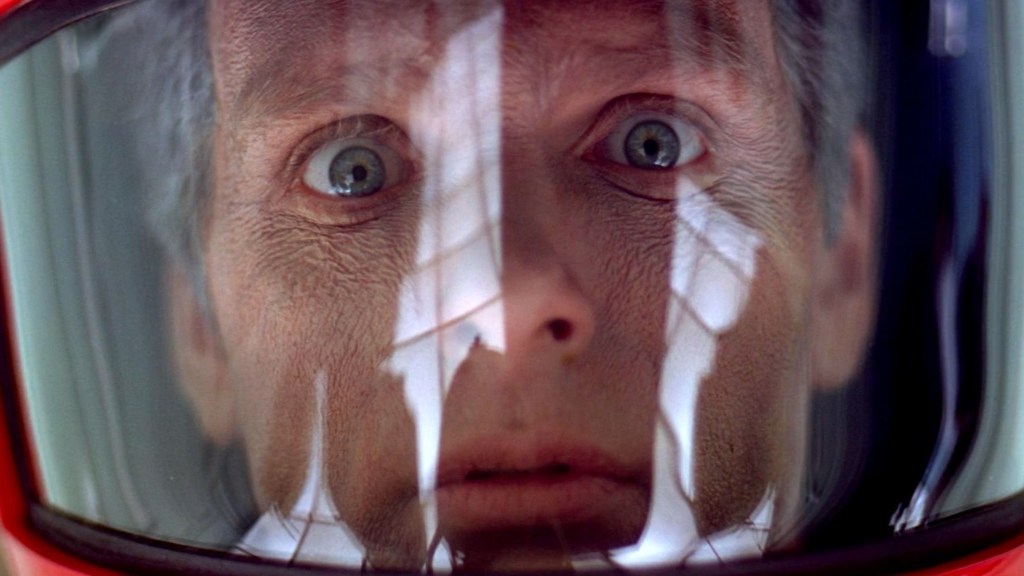
Both a visionary auteur and a pioneer of filmmaking technology, Stanley Kubrick is one of the greatest directors to ever step behind a camera, and his science fiction works are some of his best. With detailed, immaculate filmmaking and a cynical approach, his sci-fi masterpieces include the satirical Dr. Strangelove and the dystopian A Clockwork Orange. However, there is no argument that his magnum opus is the 1968 hard sci-fi classic, 2001: A Space Odyssey.
2001 takes a non-traditional, non-narrative approach to humanity’s evolution from prehistoric ape to spacefaring civilization. Photorealistic and scientifically accurate, Kubrick perfected the art of practical space effects and even pioneered techniques such as slit-scan photography to capture the movie’s stunning cosmic tableaus. 2001 is the film every serious sci-fi director since has had to reckon with; simultaneously the genre’s greatest technical achievement, its greatest philosophical statement, its most enduring work of art, and the gold standard against which all other science fiction films are measured.
Which all-time-great sci-fi director would you add to the list? Leave a comment below and join the conversation now in the ComicBook Forum!
Most Viewed
-

Official art by Bastien Lecouffe-Deharme -

A photo of the Retrovolt Arcade taken in 2017, showing several classic arcade cabinets and stools. -

Image courtesy of Tor Books/Macmillan -

Courtesy of Saber Interactive