
Sometimes, a movie is highly-regarded right out of the gate, and we can see that a lot with Sci-Fi. Whether it was Planet of the Apes, Terminator 2, or Dune: Part Two, it’s easy to move through the many decades of the genre and find plenty of releases that were hailed as masterpieces or even instant classics. Importantly, they’ve also stood the test of time and, in the cases of the older releases, still hold up to contemporary reappraisals.
Videos by ComicBook.com
However, critics don’t always get it right straight away. Whether it’s because a movie was ahead of its time, or because it’s something that required more time to watch and understand, some of the best Sci-Fi movies of all time were surprisingly divisive and received mixed reviews upon release, but are seen in a far more positive light today.
4) Interstellar
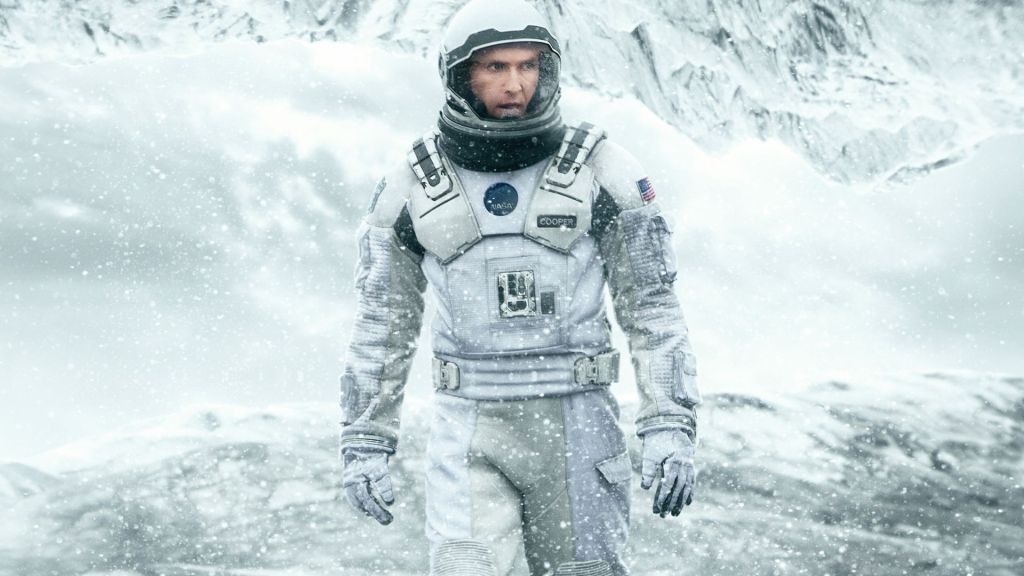
I went to see Interstellar on its opening weekend back in 2014, and can still remember conversations being divided around the movie, and talking with a friend about how it would age well and come to be better appreciated within 15-20 years – a rare case of me being proved right. Interstellar‘s reviews upon release were mixed: its score of 73% on Rotten Tomatoes is much lower than its modern reputation would have you think, with critics dazzled by Christopher Nolan’s epic visuals, but some, including ComicBook‘s own review, were unhappy with its exposition.
The heavy science in the movie led to many such complaints, with criticisms that it was overly ambitious, influenced by better films, and had great ideas but lacked the execution to match them. Nowadays, it’s seen as one of the best movies of the 21st Century, and not just in the Sci-Fi genre (it was included in the NY Times‘ 100-long list, and came at #5 in the readers’ version). Nolan’s movies are often seen as being cold, but this is his most emotionally resonant; its themes of parenthood are eternal, and it remains an incredible spectacle.
The director responded to the reviews earlier this year, saying [via Variety] they were “a little sniffy,” and that: “There was a sense of people not quite being… it sounds egotistical to say they weren’t ready… but they weren’t ready for it from me.”
Interstellar is available to stream on Paramount+ Essential.
3) Alien
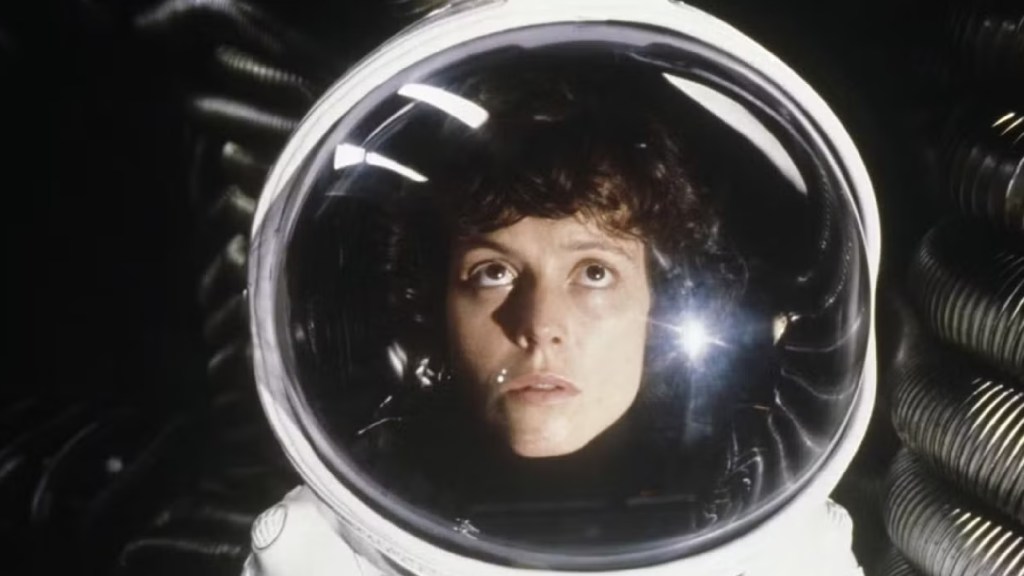
Today, Alien is regarded as perhaps the greatest blend of science fiction and horror that we’ve ever seen grace the big screen, and would be high up on most lists of the best movies in either genre. It’s terrifying, claustrophobic, and atmospheric, with astonishing creature design, and it had a major influence on cinema, including its then-radical choice to have a female lead in a movie like this. It’s become a franchise spanning several sequels, prequels, and other spinoffs, not to mention its imitators, and yet (while it’s a close debate with Aliens), it hasn’t been bettered.

The movie wasn’t seen in that way in 1979, however. Several reviews at the time were mixed or outright dismissive of Alien, whether because of poor attitudes towards the genre, its elevated B-movie aesthetic, or a feeling that the movie was fine and offered up a few thrills, but not much more than that. Time Out, for instance, called it “an empty bag of tricks,” and The Decataur Daily Review said that: “By film’s end I had been subjected to the pointless aggression of the alien for so long I was bored.” Gene Siskel was more divided in his opinion, impressed by some of its thrills, visuals, and performances, but also that it had its “disappointments” as well.
Alien is streaming on HBO Max.
2) Blade Runner
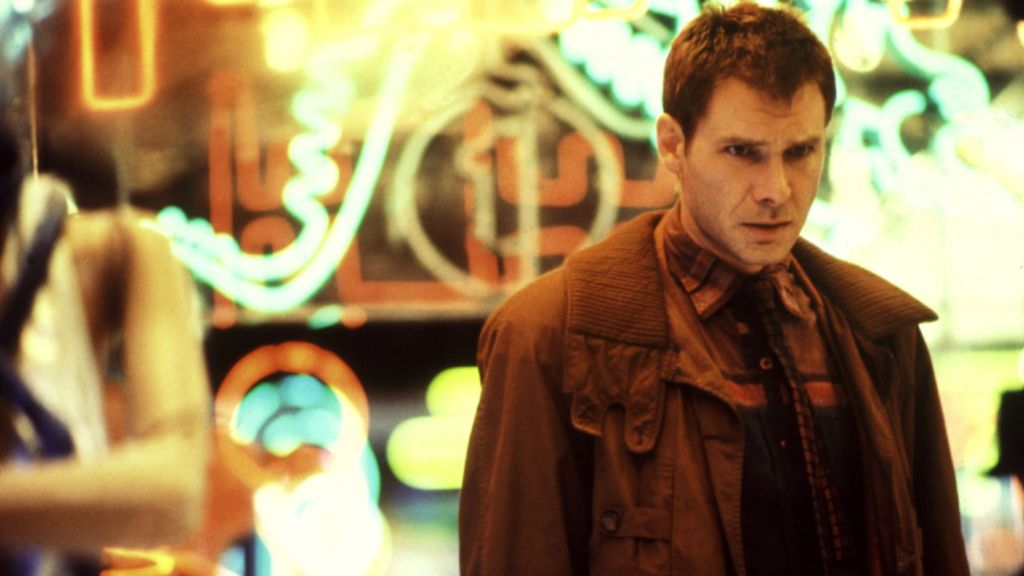
A double-whammy for Ridley Scott, who followed up Alien with another groundbreaking Sci-Fi movie that didn’t get the respect it deserved at the time in Blade Runner. 1982 was a huge year for Sci-Fi, perhaps its best ever, but while more accessible crowd-pleasers like E.T. the Extra-Terrestrial and Star Trek II: The Wrath of Khan were well-received and commercial hits, the same wasn’t true for the riskier fare like Blade Runner and The Thing (the two opened on the same day, and John Carpenter’s movie also didn’t enjoy a good reception).
There was a lot holding Blade Runner back from critical approval at the time. With Harrison Ford coming off the back of Star Wars and Indiana Jones, there was perhaps an expectation of something more like an action-adventure popcorn flick (and the marketing had played into that somewhat). But it’s also simply a slower-paced, introspective, more arthouse style Sci-Fi that was introducing most people at the time to the cyberpunk aesthetic. Many of the criticisms focused on its pacing (The LA Times called it “Blade Crawler”), its complex, brooding, heavy themes, and the idea that it put visuals over story and character.

Now, its aesthetic remains a high point and hugely influential, but it’s also a fascinating philosophical study with a fantastic score, great world-building, and an excellent neo-noir storyline. It’s made better, admittedly, by Scott’s different cuts over the years – the Director’s Cut and Final Cut, in particular – and so, in fairness, the version released in theaters in 1982 wasn’t the best form of the movie (but still deserved better).
Blade Runner is available to rent or buy on services such as Prime Video and Fandango at Home.
1) 2001: A Space Odyssey
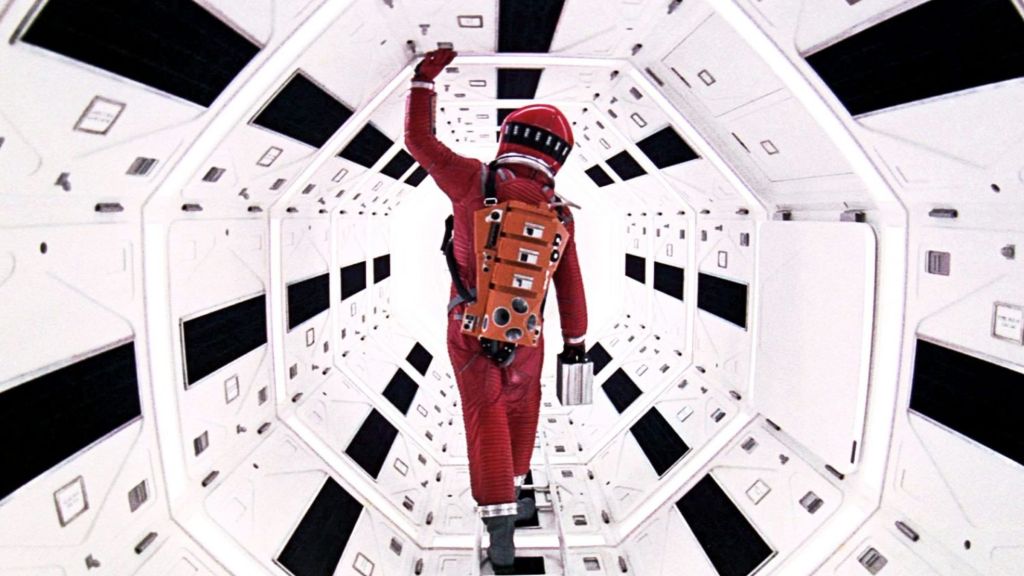
Your favorite Sci-Fi director’s favorite Sci-Fi movie, from Nolan to Steven Spielberg, and George Lucas to James Cameron, all of whom have mentioned it as being influential on their own careers, and at least one of the best movies ever made. Stanley Kubrick’s masterpiece is a towering achievement, a revolutionary experience that was as ambitious thematically as it was visually, still demands to be seen on the big screen, and that without which, Sci-Fi as we know it today would almost certainly be completely different.
Try telling that to people watching it back in 1968 as, much like Marty McFly playing Johnny B. Good at The Enchantment Under The Sea Dance, those guys weren’t ready for that yet. Especially not the ones in New York. The movie’s star, Keir Dullea, said that 250 people walked out of its NY premiere [via The Hollywood Reporter]. Famed critic Pauline Kael, writing for The New Yorker, called it “a monumentally unimaginative movie.” Newsweek‘s Joseph Morgenstern described 2001‘s ending as a “surreal climax in which the imagery is just obscure enough to be annoying, just precise enough to be banal.” The New Republic’s Stanley Kauffmann called it “dull.” Yeah, it’s safe to say they were wrong on this one.
2001: A Space Odyssey is streaming on HBO Max.
What do you think? Leave a comment below and join the conversation now in the ComicBook Forum!
