Plenty of sci-fi movies with serious money behind them have done a lot to advance their genre. Metropolis, The Matrix, 2001: A Space Odyssey ($10.5 million doesn’t sound like much now, but it was a chunk of change back in 1968), Blade Runner, Avatar (at least in terms of showing how special effects could be advanced), and Inception. But the same could be said of lower-budgeted science fiction flicks. Sometimes all it takes is a particularly inventive premise and subsequent success (either immediate or delayed) and all of a sudden others are trying to replicate that success. At the very least, people see the aspect that works best about those movies and builds an entirely new narrative around that effective aspect.
Videos by ComicBook.com
What follows are movies with either incredibly modest or micro budgets that nonetheless went on to push the sci-fi genre forward in one way or another. How did they do so? Let’s find out.
The Terminator ($6.4 Million)
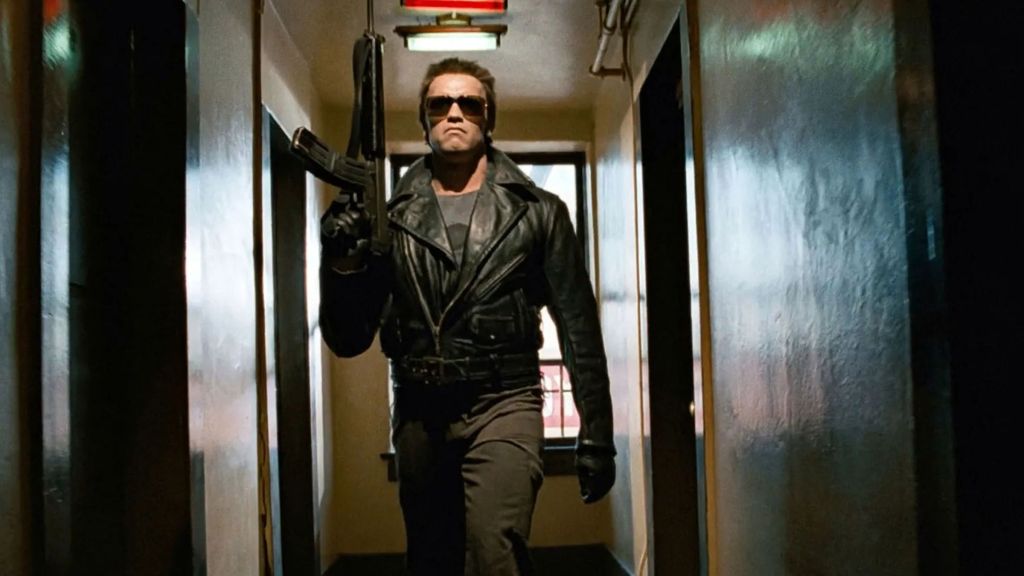
We’re going to go over these films’ plots, since they’re primarily niche products, but James Cameron’s The Terminator isn’t. So instead, we’ll just say that for a movie with just a $6.4 million budget ($20 million today), it’s amazing how much The Terminator plays as a big-budget movie (e.g. the scenes set after Judgement Day and the finale where the T-800 is just its skeletal true self).
Much like Alien, The Terminator showed that sci-fi and horror could be a very natural mixture. But even more importantly it was prescient in terms of diving into the public’s fear of artificial intelligence. As it turns out, yeah, there’s great reason to be worried about that. And, as far as kicking off careers, The Terminator is the main reason Arnold Schwarzenegger, James Cameron, Michael Biehn, and Linda Hamilton are well-known personalities to this day.
Stream The Terminator on Netflix.
Moon ($5 Million)
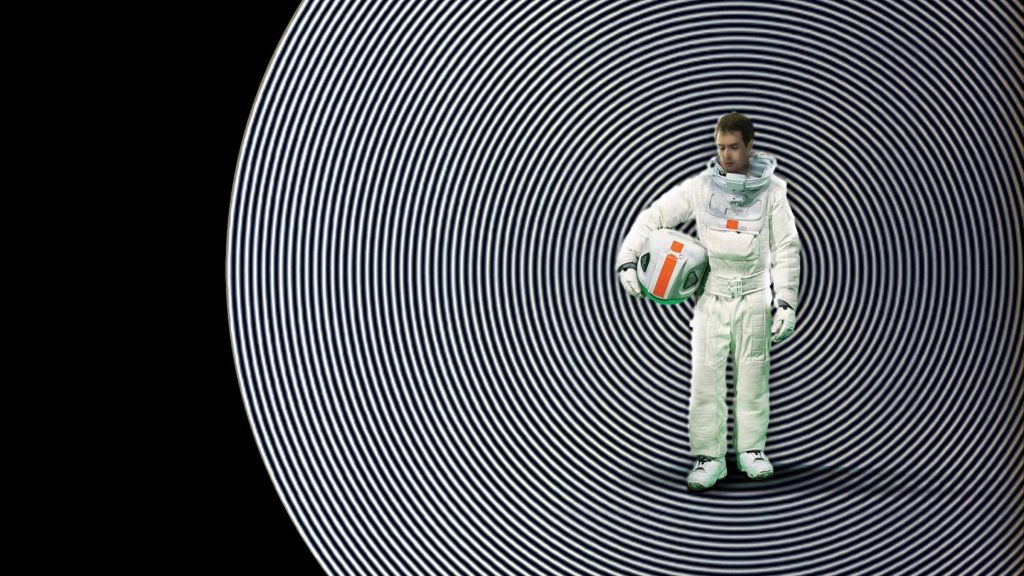
In Duncan Jones’ Moon, we spend almost all of our time exclusively with Sam Rockwell’s Sam Bell. He’s been sent to the Moon to mine helium-3, and his three-year gig is coming to its end. But before his time is up, he makes a shocking discovery that shakes his entire view of his existence. In short, he exists only to serve as a cost-cutting measure.
Just as we mentioned Alien in The Terminator‘s entry, we mention it again now. Moon was important for re-establishing the potential potency of claustrophobic, space-set narratives. It also helped reemphasize the notion that character-driven hard sci-fi could be done effectively with a very modest price tag. It also did a lot to establish Rockwell as a bankable star and leading man.
Monsters ($500,000)

In Monsters, a photojournalist goes on a rescue mission to retrieve his boss’ daughter and extract her from an area in Mexico that is overrun with tentacled monsters. To get out of this “Infected Zone” they’re going to have to rely on their wits and stealthiness. And, along the way, they just might find their feelings for one another growing stronger and stronger.
Monsters showed that you could create the illusion of a full, lived-in post-apocalyptic world with a shoestring budget. It also showed that a monster movie could work without even devoting a ton of time to the monsters themselves. But perhaps most importantly, this was the movie that established Gareth Edwards, whose Godzilla and Rogue One: A Star Wars Story both shared a similar boots on the ground approach.
Stream Monsters for free on Kanopy.

Cube ($278,000)
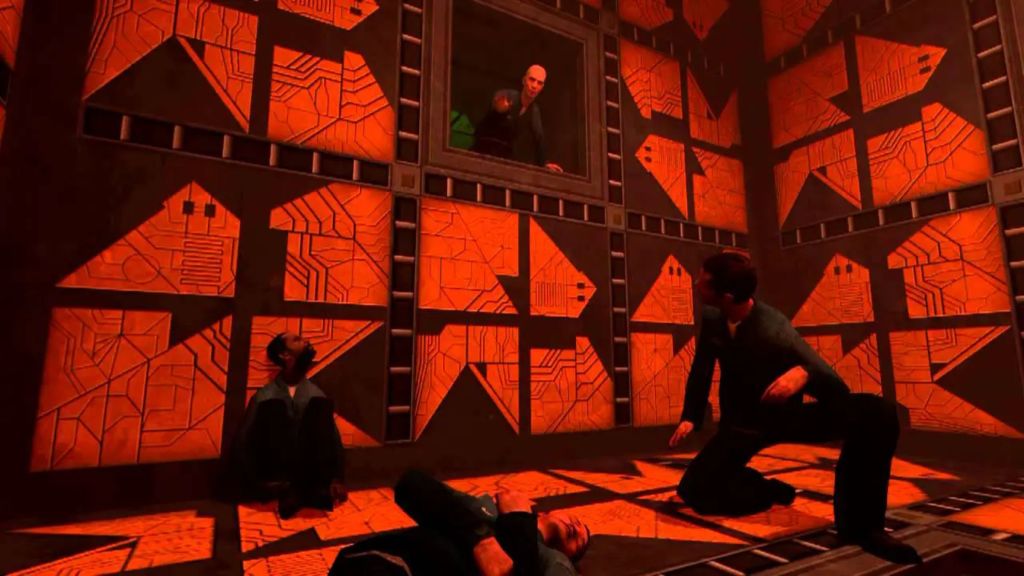
In Cube, five people wake up in a room. Nothing is in this room save for doors (each with its own plate consisting of three sets of numbers) that lead to other rooms, most of which come equipped with a trap. As the narrative moves forward, we learn that one of them was responsible for the construction of this cube containing cubes while others have skills that could assist in getting them all to the exit. Unfortunately, one of them is also a murderer who couldn’t care less if his cohorts escape by his side.
Cube was massively integral in establishing the single locale escape room narrative. There’s a strong argument to be made that, without Cube, there wouldn’t be the Saw franchise. It showed that by having characters trapped in an isolated, mostly empty location, you could both save a ton of money and up the tension to an unbearable level.
Stream Cube for free on The Roku Channel.
Primer ($7,000)
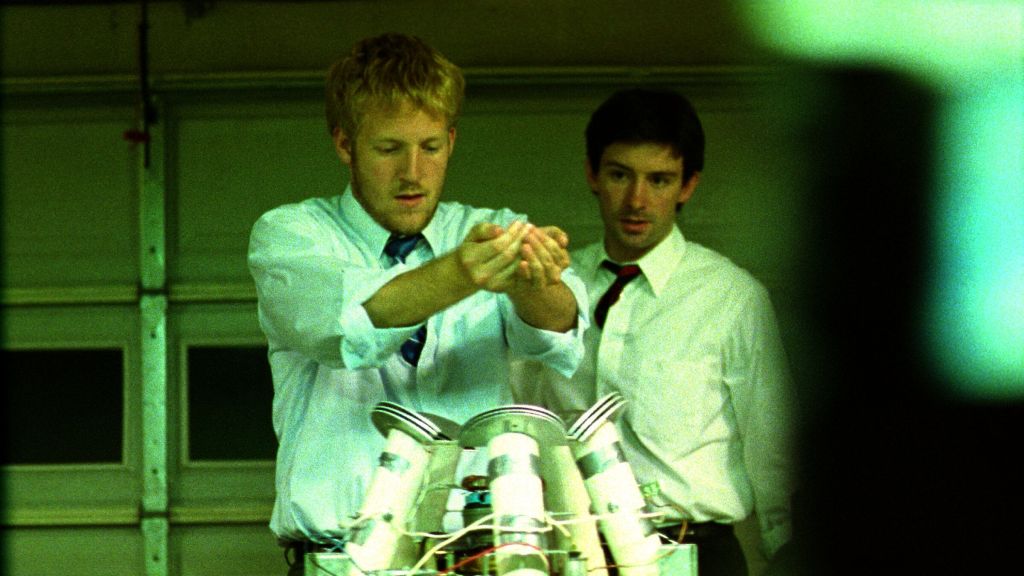
Directed, written, produced, edited, and starring Shane Carruth, Primer follows two engineer friends who are working on a device that reduces objects’ weight and accidentally discover the key to time travel. They take this knowledge and build a time machine, which allows them to use it for a set amount of time. But this results in longer days and some very troubling side effects.
Primer proved two things beyond a shadow of a doubt. One is that you can craft a compelling narrative with less than the cost of a Toyota Corolla. Two, if you stick with genuine, science-accurate dialogue, it won’t make you lose the audience as long as the narrative keeps moving.
Most Viewed
-

Crunchyroll -

images courtesy of Walt Disney Studios Motion Pictures