Hollywood is a business, which means that one of the foundational decisions of the studios for decades has been sequels, prequels, spinoffs, and reboots, in short, franchises. This obsession has put the studios in a position where the biggest movies for decades now have been franchise films. The truth of the matter is that even though the success of all these is built on the fact that audiences are eager to keep going back for more, to spend time with familiar characters and see new stories with them, more often than not, franchises lead to diminishing returns.
Videos by ComicBook.com
Though larger-scale franchises like the Marvel Cinematic Universe have continued to thrive because fans are still invested in the larger world, for every franchise that still has fans eager for more, there are probably two or three that should have hung up their spurs at this point. Even wilder than the fact that fans are tired of some major franchises is the fact that they still keep going to see the new ones, hoping against hope that perhaps the next one can recapture the magic and make the investment of their time worth it. For sci-fi franchises in particular, these unending franchises make them feel bloated, some going so far that the whole thing starts to lose meaning.
5) RoboCop
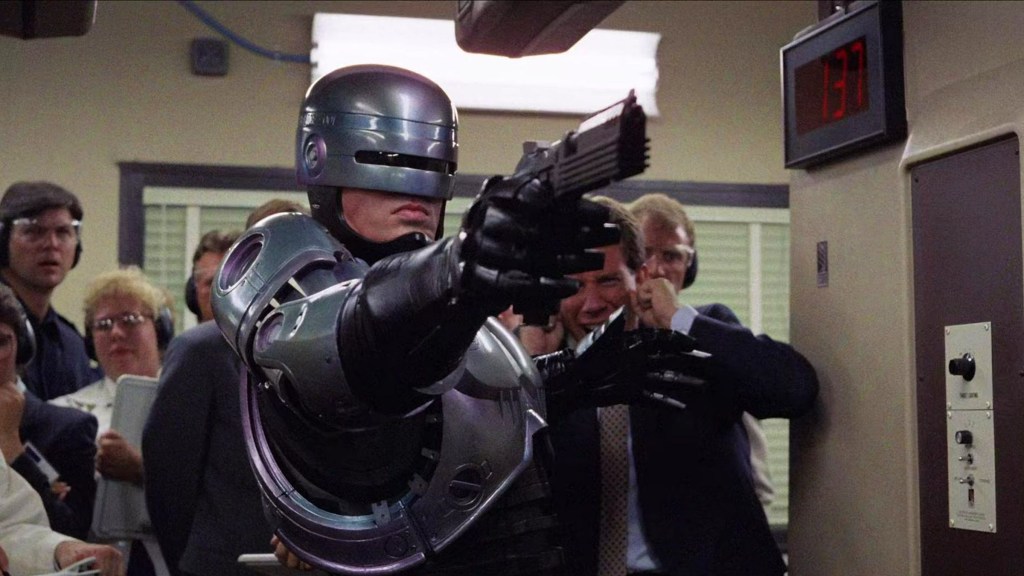
With Paul Verhoeven’s original movie, the world was given a film that reworked the story of Jesus and Frankenstein, but told it through a dystopian lens that was mocking American consumerism of the era. It probably shouldn’t have worked, but what it gave audiences was an amazing film with an immediately iconic character in the titular half-man, half-machine.
The trouble, of course, is that the success of RoboCop, in particular the fact that the character and the film appealed to kids, meant that it couldn’t be a one-and-done. Not only did the film inspire two more movies that would follow it, but both animated and live-action TV shows. There’s one problem with the fact that RoboCop became a franchise, though, which is that at the end of the first movie, RoboCop’s story is over.
At the end of the first film, RoboCop confronts Dick Jones at OCP headquarters and reveals his nefarious plan to the world, answering The Old Man’s question of what his name is with the word “Murphy.” That’s it, there’s no story after that, for the films that follow to simply return RoboCop to being an automated police officer with an automatic gun belittles that conclusion and reduces his journey to nothing for the sake of “more.”
4) Jurassic Park
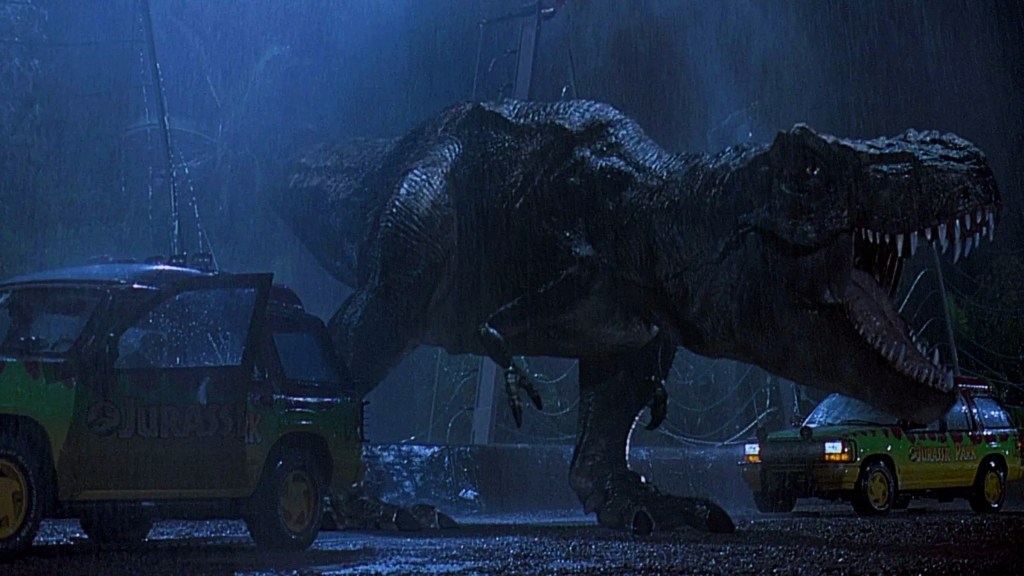
The same trend that applied to RoboCop was repeated just a few years later with Jurassic Park, another film that obviously concludes its story at the end of the first movie, but since it was a box office sensation and also became an obsession for kids due to dinosaurs, franchising was mandatory.
In the decades since the first Jurassic Park film, six sequels have arrived, plus multiple animated TV spinoffs, but the problem with the foundation for this entire franchise is a simple one: There’s never a good reason to go back to the island. The second film makes up a reason, revealing the sweatiest premise possible of “uhhh, there’s another island.”
Shockingly, only Jurassic World devised a plot reason that actually made sense (“What if the park actually worked and was open?”). But the 2015 revival of the series is built on a faulty premise, answered by the first movie, which is that the park can’t work. Ever. For any reason. Naturally, the box office success of that film has only continued the series, delivering sequel after sequel that fans keep watching even if they don’t like them.
Is watching dinosaurs on the big screen fun and cool? Obviously, yes, but Jurassic Park was never meant to be a franchise. It’s a cautionary tale. Even the original novel had to retcon multiple character deaths to make up for the fact that it wasn’t supposed to have a sequel.
3) Transformers
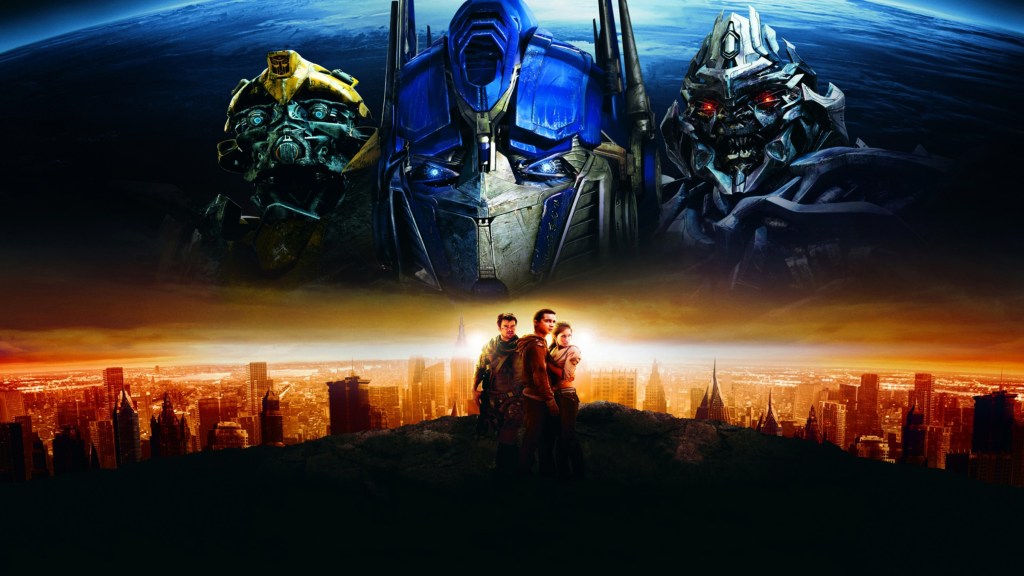
The live-action Transformers movie fulfilled a lifelong desire for fans of the original toy line, which had expanded into hundreds of cartoon episodes and comic books over the decades. This is what led to the movies overstaying their welcome, though, because the amount of lore and continuity in the larger Transformers mythology is entirely too much for anyone to keep track of in any meaningful way, resulting in sequels that have plots that are complete and utter nonsense.
This can be seen plainly in the last three films in the series, with 2017’s Transformers:
The Last Knight retconning the Autobot lore to make it so they worked with the Allies in World War II and with Harriet Tubman to free the slaves. After that, Bumblebee had to flash back to the 1980s because the story was too complicated, meaning the new decade would, in theory, give it a free lane to do whatever it wanted, but even that added too much to the lore for it to make sense at all.
2) Men in Black

Compared to every other sci-fi franchise on this list, Men in Black is the one that should have been able to find major success with sequels and deliver on a movie series that held up across its sequels. Unfortunately, it didn’t.
The real tragedy is that the first Men in Black is a perfect summer blockbuster. It’s endlessly entertaining, with great performances by Will Smith and Tommy Lee Jones, creative world-building, and amazing special effects that hold up. Finding it on television and moving on is a Herculean task no matter what part of the movie you land on.
With the movies that have followed, though, Men in Black completely lost the plot. Though there were ideas created to keep the franchise going, none of them have a plot that’s remotely interesting, and none of them can recapture the magic of the original film in any meaningful way. Part of the issue is that the first film has the perfect hero’s journey structure for Smith’s Agent J, and after that, it’s just procedural movies about the Men in Black fighting aliens. It all proves that the first movie was lightning in a bottle.
1) Terminator
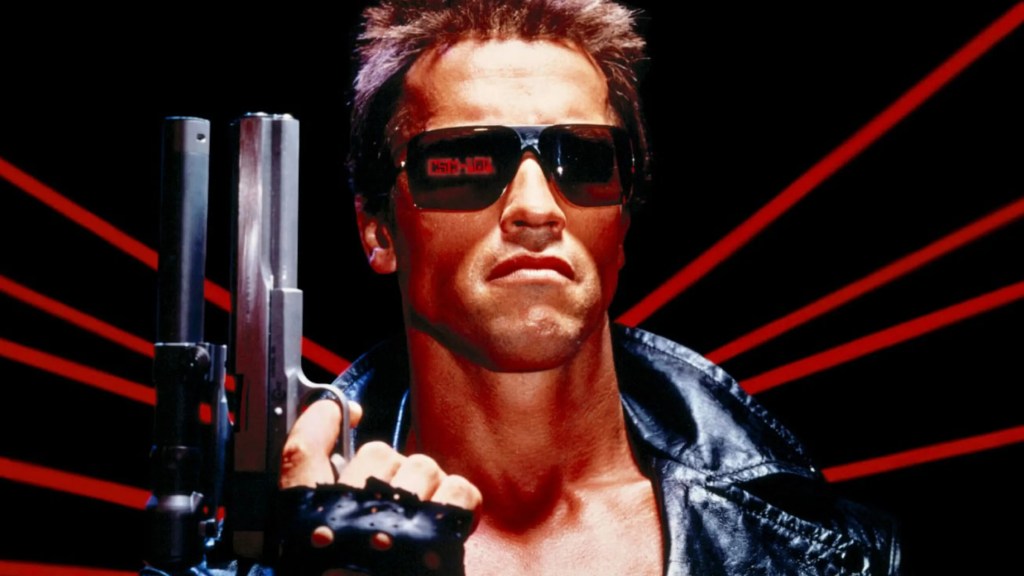
Unlike the other franchises here, Terminator actually managed to not only deliver a sequel that matched the original but exceeded it if you ask some fans of the franchise. It was proof that not only was there still gas in the tank, but stories to tell. Even though the second film appeared to seal the franchise off from anything else, of course, Terminator 3 found a new way in.
That film, in and of itself, is fine, but what it really did was prove that the sacred sheen that surrounded James Cameron’s two Terminator movies wasn’t as revered as many assumed. The result was sequel after sequel after sequel.
It would be one thing for the franchise to have just a slew of mediocre to bad follow-ups that came in its wake, but the problem with Terminator, and the proof that it should have stopped long ago, is that the continuity is a mess. New movies in the series cherry-pick which movies count and which ones don’t, which films they will be a direct sequel to (while also referencing movies that are apparently not canon anymore).
The result is a franchise that has no identity anymore beyond “killer time-traveling robots,” and ironically, that is the second major problem with the series, beyond its inability to find a story worth telling. Terminator 2 may have found a way to one-up the titular robot with the T-1000, but the result was throwing down a challenge that every other sequel has attempted to clear as well. As we know, most of them failed.
More Movies
-

Image Courtesy of DC Comics -

Image courtesy of Sony Pictures Releasing -

Image Courtesy of Warner Bros.

![New The Hunger Games: Sunrise on the Reaping Photo Reveals the Start of Haymitch’s Devastating Journey [EXCLUSIVE]](https://comicbook.com/wp-content/uploads/sites/4/2026/07/the-hunger-games-sunrise-on-the-reaping-still.jpg?w=300)