Since cinema first began, a lot of ideas and concepts have been explored, along with different approaches to storytelling. But along the way, some movies ended up sparking a lot of conversation and eventually became controversial. However, there are those who basically pushed things past the limit and made history for exactly that reason. And no, we’re not talking about the ones that simply got mixed reviews or different opinions, but the ones that made a lot of people walk away with completely different readings of their value, what they were trying to say, and even whether they should exist the way they do. And no matter how much time passes, these films still manage to keep the conversation going today.
Videos by ComicBook.com
What’s the most controversial movie you know? Have you seen it? We’ve put together some of the ones that caused the biggest reactions and split audiences from the early days of cinema to today. They all have something that’s just really hard to defend.
7) The Birth of a Nation
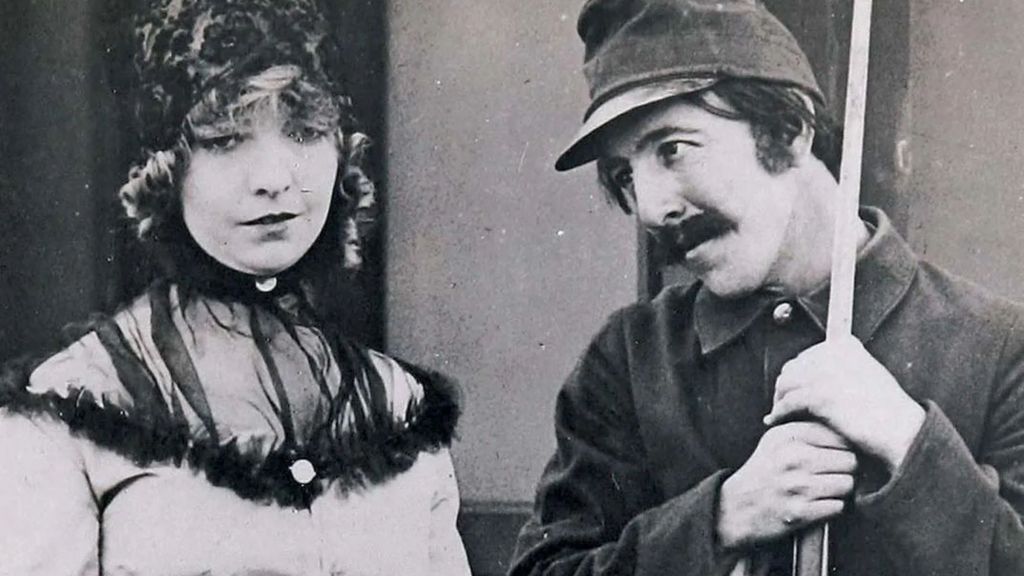
The Birth of a Nation follows the events of the American Civil War and the Reconstruction era through the perspective of white Southern families. However, the movie has a heavily controversial reputation for the way it portrays Black characters and, even more problematically, for glorifying the Ku Klux Klan. And it’s worth saying this is an extremely complicated case because, at the same time, it’s also considered a technical milestone in cinema. Techniques like dramatic close-ups, parallel editing to build suspense, or cross-cutting between simultaneous actions were popularized and widely adopted thanks to it.
Unfortunately, those innovations came alongside a deeply racist message, to the point where protests were already happening at the time of its release. Most people today might not even be familiar with The Birth of a Nation, since it’s a 1915 film, but it still divides opinion among film enthusiasts. Some argue its historical importance can’t be ignored when discussing the evolution of cinema, while others believe its legacy will always be inseparable from the harmful impact it had on racial representation and ideology.
6) Cannibal Holocaust
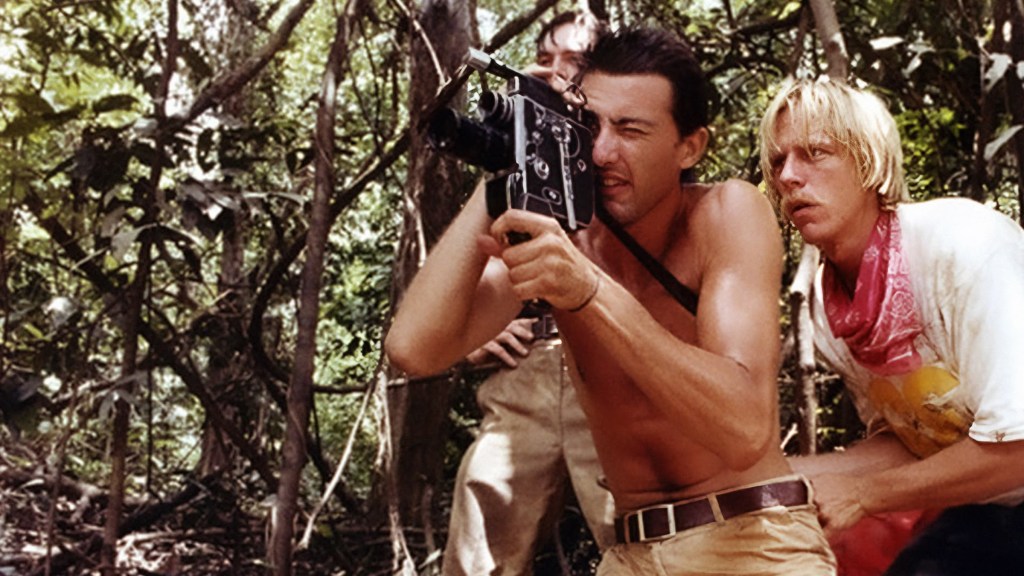
If you look up controversial productions in general, Cannibal Holocaust will almost always be part of the conversation. It could have been a good entry in the horror genre, but even for people who enjoy horror at its most extreme, this one is a very hard experience to support. The story follows a documentary crew that goes missing in the Amazon, while an investigation tries to uncover what happened through the footage they left behind. It’s essentially a found footage movie, but one that feels disturbingly real for a few key reasons.
We’re talking about a film that was actually banned in several places because the violence is so convincing that it even reached authorities, forcing the director to appear in court to prove the actors were still alive. Plus, the production was also criticized for the real deaths of animals during filming. Cannibal Holocaust is sometimes seen as a great critique of media sensationalism and the exploitation of Indigenous cultures, but there are also those who argue that any message it might have gets completely lost in its attempt to shock the audience all the time.
5) A Serbian Film

Do you know what a truly controversial project actually looks like? Well, there are films that get labeled as such — and then there are films like A Serbian Film. The story follows a former adult movie actor who agrees to take part in a mysterious production to solve his financial problems, without knowing the level of violence and degradation involved in the project. And since its release, the film has basically become synonymous with controversy for featuring some of the most disturbing depictions of sexual violence and brutality ever shown in a commercial movie. And the issue here is how much of the discussion comes down to interpretation.
There are those who defend the film by arguing that everything works as a metaphor for political corruption, abuse of power, and social exploitation. The problem is that a lot of viewers can’t look past the shocking imagery. Because of that, talking about A Serbian Film often starts with a very simple question about cinema in general: is there any limit a work of art should respect? It’s still one of the major examples of extreme provocation pushed to its absolute limit in the 21st century.
4) Blonde
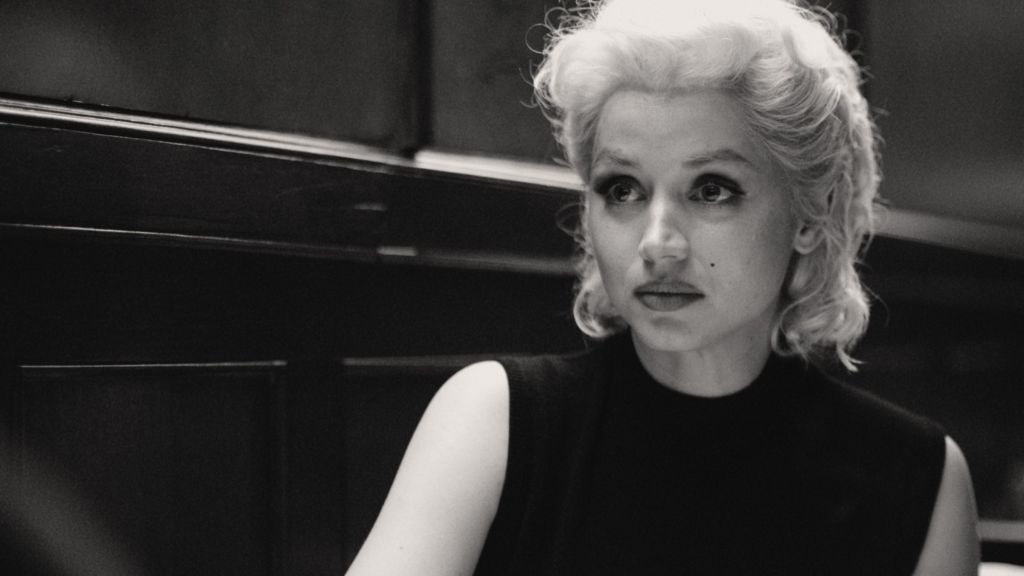
Blonde is a relatively recent movie that, in theory, was supposed to be a traditional biopic about Marilyn Monroe. But as soon as it came out, negative reviews came in fast, mostly because it promised one thing and delivered something very different. The film essentially follows a fictionalized version of the iconic actress, exploring her personal life, relationships, and the devastating impact fame had on her emotional well-being. The thing is that it doesn’t really aim to portray who Marilyn was, but rather turns her into a symbol of suffering from beginning to end, alongside scenes of objectification.
For some critics, this approach is a powerful depiction of how Hollywood destroys its stars. But for a big part of the audience, it ends up doing exactly what it claims to criticize, by reducing a complex woman to an endless cycle of trauma and abuse. The one consistently praised element of Blonde is Ana de Armas’ performance (even if some people questioned her decision to take the role), but overall, the film was widely seen as a misfire.
3) Fahrenheit 9/11
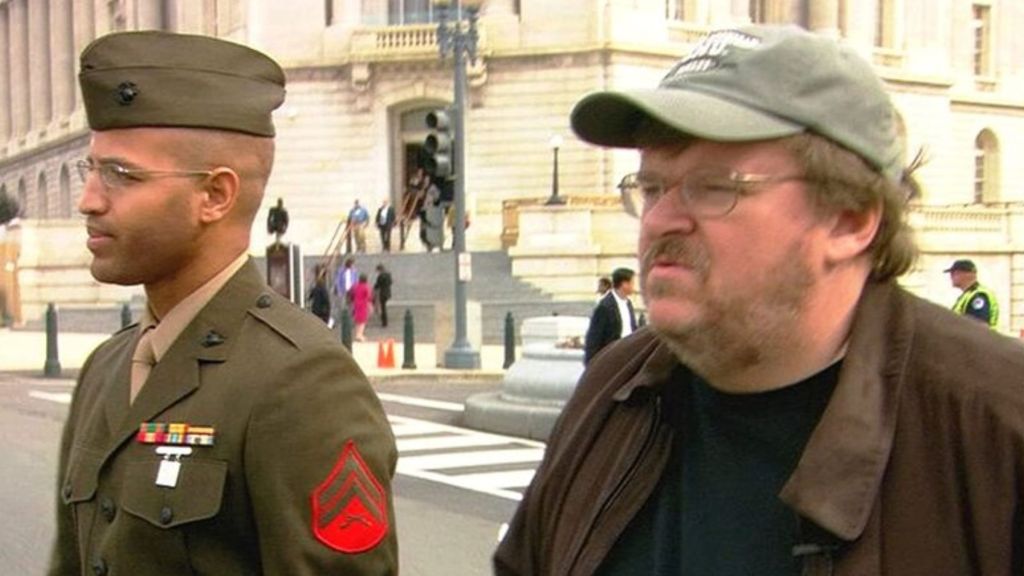
It’s a fact that documentaries usually don’t generate the same kind of buzz as big blockbusters or horror films, but Fahrenheit 9/11 was a huge exception. Here, the idea is to examine George W. Bush’s presidency and the decisions that led the United States into the Iraq War after the September 11 attacks. And the controversy came from the fact that director Michael Moore never hid his political stance, and especially in a project of his own, he didn’t choose to be impartial. So the result is a production that kept fueling discussion after discussion, dividing audiences and triggering all kinds of disagreement.
Fahrenheit 9/11 was basically pure message, with some people seeing it as a necessary piece of reporting, and others seeing it as an example of political manipulation. Because of that, the project never really found a middle ground, not even in trying to approach things from a different angle or prioritize its cinematic quality. And even today, if you watch it, you’ll probably have a reaction similar to what people had back in the 2000s — it’s either all in or completely out.
2) Last Tango in Paris

For a long time, Last Tango in Paris carried a reputation as one of the most scandalous films ever made because of its sexual content. The story follows an intense relationship between a middle-aged American man and a young French woman who enter into an affair filled with desire, manipulation, and emotional conflict. It’s a premise that doesn’t feel too far removed from movies that went on to find mainstream success like Blue Valentine or Marriage Story. The difference is that here, that idea was pushed into explicitly graphic territory, leading to censorship or bans in several countries, and major issues behind the scenes as well.
Years after its release, statements from actress Maria Schneider about feeling humiliated during the filming of one of the most famous scenes led to a much more heated discussion about professionalism, ethics, abuse of power, and the limits of realism in filmmaking. At first, Last Tango in Paris was seen as a bold artistic statement willing to tackle subjects like grief, alienation, and desire in a raw way, but after those revelations, many people reassessed the film entirely.
1) A Clockwork Orange
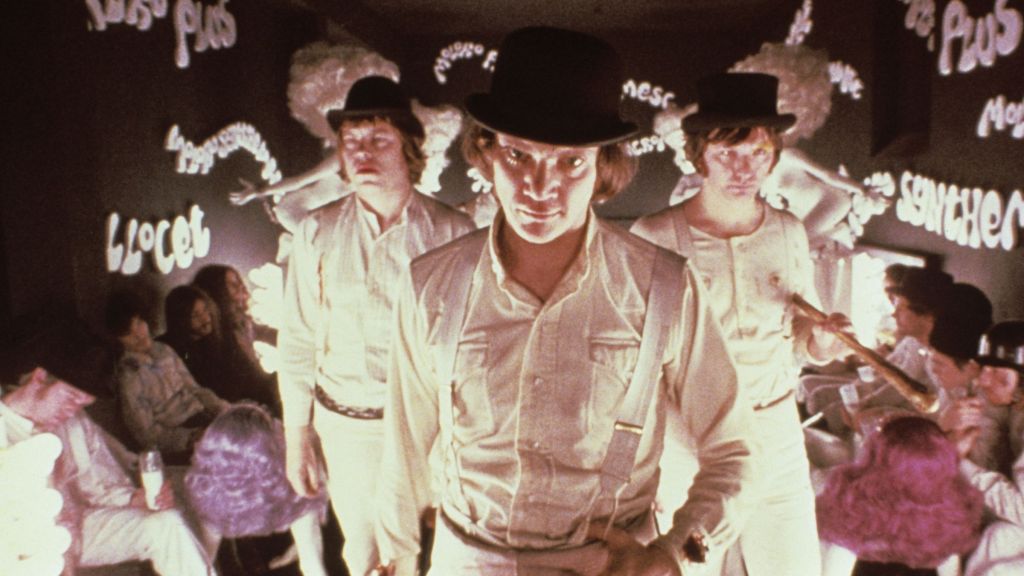
At this point, you probably already know A Clockwork Orange is a controversial movie, since it’s often brought up when people talk about cult classics. But what you might not know is why it caused so many problems in the first place. The story follows Alex, a young criminal who takes pleasure in violence until he is arrested and subjected to an experimental treatment designed to remove his aggressive behavior. Directed by Stanley Kubrick, it’s not an easy watch because of its disturbing acts, but also because of how it engages with themes around human rights — and that’s why it’s one of the most ambiguous films ever made.
The satirical humor and philosophical commentary (even the stylized violence itself) are what fascinate a lot of people, who see the whole thing as a tightly constructed critique. But the same violence is also what turns many other viewers away, saying the film spends too much time glamorizing the very thing it’s supposed to be criticizing. Kubrick even received threats, and in some places the movie was banned outright. A Clockwork Orange is still talked about in that context, though it’s probably viewed more favorably now than it was back then.
What do you think of these movies? Leave a comment below and join the conversation now in the ComicBook Forum!
More Movies
-

Image Courtesy of Lucasfilm -

Image courtesy of Walt Disney Pictures