Some of the greatest movies ever made came out in the 2000s, but it was also a decade that produced many stories that now feel like they came from a completely different world. Try revisiting some of them today, and you’ll see just how poorly they’ve aged. And in several cases, the problem isn’t the direction, the cast, or even the entertainment value they still provide, but the ideas behind certain scenes, characters, and storylines. Elements that were considered perfectly normal at the time have since become the most discussed and criticized parts of these movies.
Videos by ComicBook.com
Many of them were major box office hits, earned widespread critical acclaim, and even helped define trends within their genres. But audiences have changed, conversations around certain topics have evolved, and that has completely altered the viewing experience. With that in mind, here are 7 movies from the 2000s that have become much harder to watch today.
7) Superbad
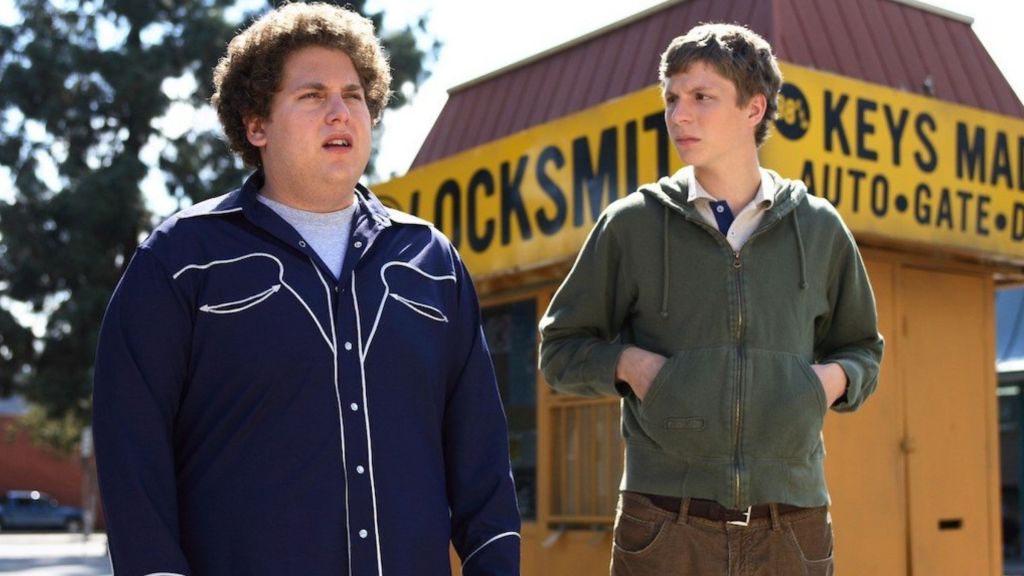
It’s hard to find someone who loves comedies and doesn’t have fond memories of Superbad. The movie follows Seth (Jonah Hill) and Evan (Michael Cera) through one final night of chaos before graduation as they try to get alcohol for a party and impress the girls they like. And if you just see it as a movie about friendship, it still works remarkably well. Plus, a lot of the humor still lands. However, some parts of the story have inevitably started to show their age.
A large portion of the plot revolves around the idea that getting girls drunk would increase the protagonists’ chances of hooking up with them. Back then, that was treated as a relatively harmless comedic goal, but today those scenes tend to generate more discomfort than laughs. Superbad is still a funny movie overall, but it’s also one of the greatest reminders of how differently the 2000s approached certain issues in the wrong way.
6) 40 Days and 40 Nights

Besides comedies, rom-coms are another genre that hasn’t always aged particularly well, but 40 Days and 40 Nights belongs in a category of its own. The film follows Matt Sullivan (Josh Hartnett), a young man who decides to give up all sexual activity for Lent, only to realize he made that commitment right when he meets someone he genuinely likes. And no, the problem isn’t the premise itself. The issue is how the movie handles several situations throughout the story.
The production turns subjects that would be treated much more seriously today into punchlines, most notably when the protagonist is assaulted, and the script seems far more interested in the awkwardness of the situation than the severity of what actually happened. 40 Days and 40 Nights is an excellent example of how often Hollywood approached sensitive topics with a total lack of awareness.

5) The Blind Side
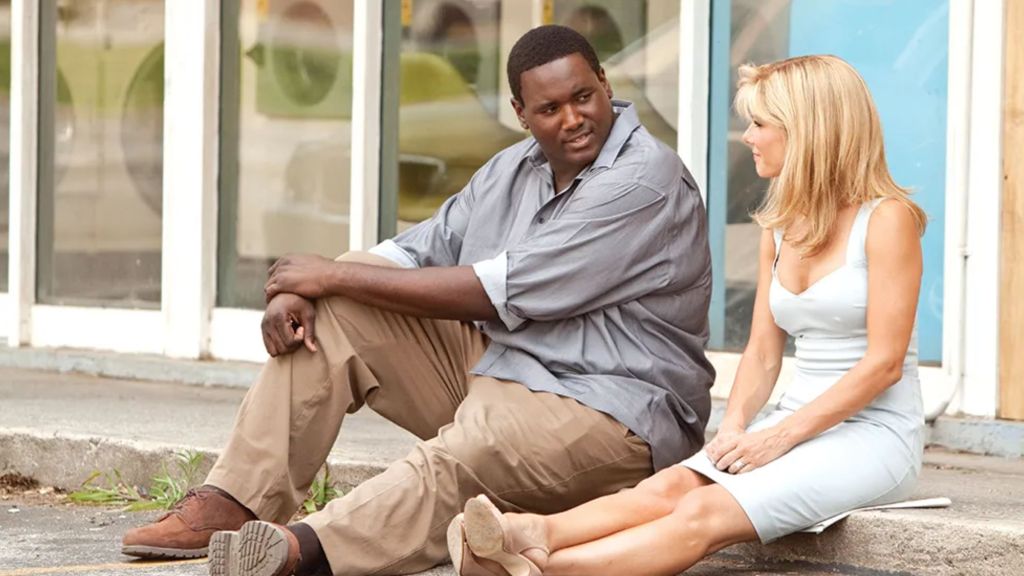
If you remember The Blind Side, you probably remember it as one of the most inspirational sports dramas of its era. The film tells the story of Michael Oher (Quinton Aaron), a teenager growing up in difficult circumstances who finds support through the Tuohy family and eventually builds a successful football career. The problem is that, over the years, many people started to notice that the movie seems more interested in celebrating the family that helps Michael than Michael himself.
Ideally, the story would present the main character as someone who earns his place through his own talent, determination, and hard work. Instead, the movie pushes him into the background in order to emphasize the kindness and generosity of the people around him. So The Blind Side is basically a “white savior” film, reducing complex racial and social issues to an emotionally reassuring story about well-meaning people doing the right thing.
4) Freedom Writers

Freedom Writers still has some fans, but it’s not hard to see why. The film follows Erin Gruwell (Hilary Swank), a teacher who tries to connect with a group of so-called troubled students and uses writing to help them see new possibilities for their lives. Read that premise, and it immediately sounds like the kind of inspiring underdog story you would naturally be drawn to. But the thing is that, when viewed today, the movie feels far more simplistic than it did when it was first released.
What ultimately dates it is the way it treats enormous issues such as violence, inequality, racism, and the failures of the education system as obstacles that can be overcome almost entirely through the determination of a single teacher. So the story feels less like a reflection of reality and more like an optimistic fantasy designed to give an emotional payoff. The intentions behind Freedom Writers are positive, but at the same time, it’s about how easily it seems to solve problems that are actually far more complicated.
3) Shallow Hal
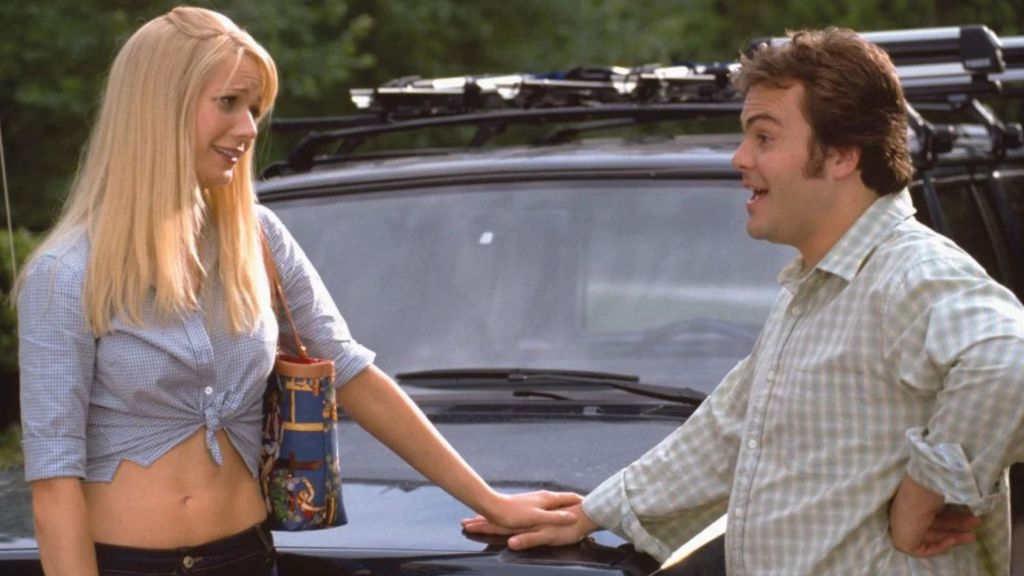
The central idea behind Shallow Hal is that people should look beyond physical appearance, and that’s a really good thing. However, the film itself doesn’t seem fully committed to that. The story follows Hal (Jack Black), a shallow man who suddenly gains the ability to see people’s inner beauty and ends up falling for Rosemary (Gwyneth Paltrow), a woman he perceives as incredibly attractive. In theory, that sounds like the setup for a rom-com about empathy, acceptance, and personal growth, right?
But watching it today, you see how much the humor comes at Rosemary’s expense. The movie is always trying to promote a positive message while repeatedly inviting the audience to laugh at the very group it’s supposedly defending. It briefly hints at Hal’s hypocrisy, considering he’s far from the physical ideal he expects from others, but that never becomes a meaningful part of the story. In the end, Shallow Hal fails to be the thoughtful comedy it wanted to be.
2) Crash

Few films have lost as much prestige over the years as Crash. When it was released, it was widely praised for tackling racial prejudice through multiple interconnected stories set in Los Angeles after a car accident, eventually going on to win the Academy Award for Best Picture. But as time passed, it became clear that the movie’s understanding of racism was far more superficial than it initially appeared. But how?
In Crash, discrimination is often treated as a collection of personal misunderstandings that can be resolved through moments of emotional redemption. That approach may feel powerful at first, but it’s less convincing when you take a closer look. Racism is a complex subject, and reducing it to a series of simple moral lessons is the wrong call. But rather than exploring those deeper issues, the film prefers to stick to quick takeaways and emotional twists.
1) Tiptoes
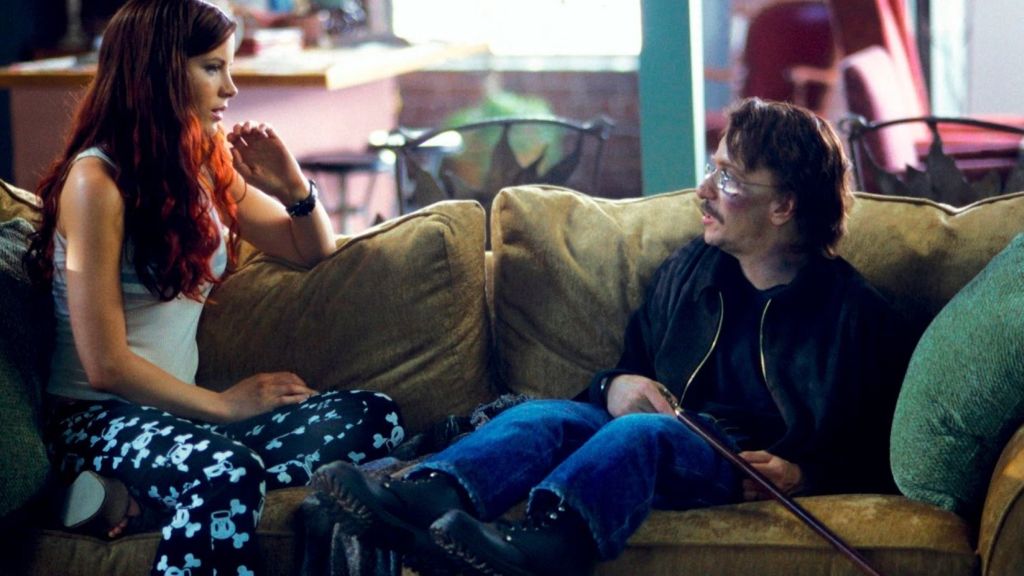
Tiptoes was meant to be a serious drama about prejudice and acceptance, but it ended up becoming infamous for completely different reasons. And honestly, it feels almost unbelievable by today’s standards. The story follows Steven (Matthew McConaughey), a man who hides from his girlfriend the fact that several members of his family have dwarfism, while the couple is also expecting a child. And you know what the problem is? The casting.
The movie decided to cast Gary Oldman as a character with dwarfism using visual tricks, which is a choice that would already be completely criticized today. But it gets even harder to defend when you remember that Peter Dinklage was actually part of the cast. That contrast is enough to overshadow almost anything else the film is trying to say. And add to that its inconsistent tone and the uncomfortable way it handles its own subject matter, and Tiptoes stands out as one of the most baffling productions of the 2000s.
What do you think? Leave a comment below and join the conversation now in the ComicBook Forum!
More Movies
-

Capcom – Skydance – Legendary Pictures -

Image courtesy of Focus Features -

Image Courtesy of Universal