J.R.R. Tolkien stands as the undisputed architect of modern fantasy, creating a literary legacy that has defined the genre for nearly a century. While The Hobbit and The Lord of the Rings achieved massive success during his lifetime, they represented only a fraction of the mythology he spent decades constructing. Tolkien was a notorious perfectionist who constantly revised his work, crafting entire languages, genealogies, and historical timelines that never saw the light of day before his passing in 1973. This unparalleled dedication to detail resulted in a legendarium that feels like a genuine history of a lost world rather than simple fiction. Consequently, the vast majority of Middle-earth’s rich history remained hidden in boxes of disorganized notes and manuscripts, known only to the author and his closest confidants.
Videos by ComicBook.com
It fell to his son and literary executor, Christopher Tolkien, to undertake the monumental task of deciphering, editing, and publishing these lost tales over the subsequent decades. This posthumous library has proven essential for audiences hungry for more content, especially following the global phenomenon of Peter Jackson’s film adaptations and the more recent Prime Video series, The Lord of the Rings: The Rings of Power. These publications provide the necessary context for the wars and alliances seen on screen, transforming Middle-earth from a setting for an adventure story into a living universe with thousands of years of lore. Without these posthumous releases, our understanding of the One Ring, the Wizards, and the Elves would be fundamentally incomplete.
7) The Music of the Ainur

The creation myth of Middle-earth is easily one of the most abstract and beautiful pieces of writing Tolkien ever produced. Known as the Ainulindalë, this story was finally published as the opening chapter of The Silmarillion in 1977, four years after the author’s death. It details how Eru Ilúvatar, the supreme deity of this universe, created the Ainur (angelic beings) and instructed them to sing a great theme that would eventually manifest as the physical world. The narrative establishes the primary conflict of the entire legendarium, as Melkor weaves discord into the harmony, effectively inventing evil before the world even exists. While it lacks the sword fights and battles of the later ages, Ainulindalë is essential because it explains the metaphysical rules of reality in Tolkien’s work. It reveals that the physical struggles of Aragorn and Frodo are actually echoes of a divine conflict that began before time itself, proving that fate and free will are woven into the very fabric of Arda.
6) The Fall of Númenor

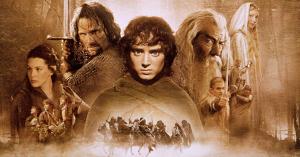
For decades, the tragic destruction of the island kingdom of Númenor was accessible primarily through the Akallabêth section of The Silmarillion and various fragments in Unfinished Tales. However, in 2022, editor Brian Sibley compiled these scattered texts into a single cohesive volume titled The Fall of Númenor, offering readers a comprehensive look at the Second Age. The story serves as Tolkien’s version of the Atlantis myth, describing a high civilization of men who are slowly corrupted by their fear of death and the manipulations of Sauron. This narrative is crucial for understanding the political landscape of the Second Age, as it details the rise of Ar-Pharazôn and the shifting of the world from flat to round. The publication of this story clarifies the origins of Gondor and Arnor, showing exactly why Elendil and his sons were forced to flee to Middle-earth to establish the kingdoms that would eventually become central to The Lord of the Rings.
5) The Forging of the Rings of Power
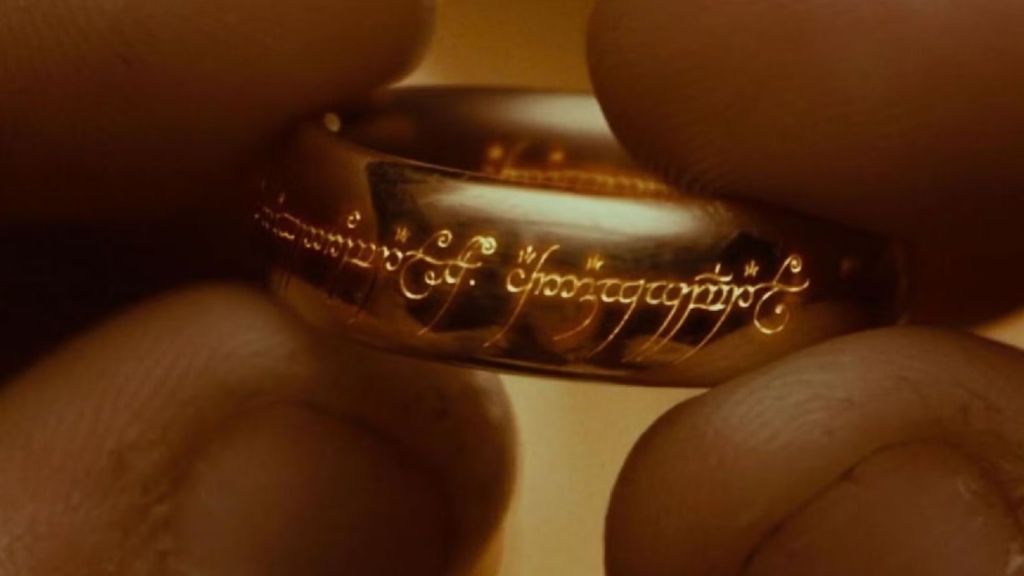
While the title might suggest a technical manual, the narrative known as “Of the Rings of Power and the Third Age” is the definitive account of the events leading up to the War of the Ring. Published as the final section of The Silmarillion, this essay-like story bridges the gap between the ancient struggles of the Elves and the more familiar era of Bilbo and Frodo. It details how Sauron adopted a fair guise to deceive the Elven smiths of Eregion, teaching them the craft that would lead to their undoing. This text provides the specific mechanics behind the Three, the Seven, and the Nine rings, explaining exactly why the One Ring holds dominion over them all. This posthumous text reveals the backstory of the primary antagonist in The Lord of the Rings, transforming Sauron from a generic dark lord into a cunning political manipulator who used the vanity of others to secure his power.
4) The Fall of Gondolin

The Fall of Gondolin holds a special place in history as the very first story of Middle-earth that Tolkien ever wrote, dating back to 1917 during his medical leave from World War I. Despite its early inception, the full narrative was never completed in his lifetime and existed only in conflicting versions until Christopher Tolkien released it as a standalone book in 2018. The tale follows the human hero Tuor, who is guided by the Vala Ulmo to the hidden Elven city of Gondolin to warn them of impending doom. It features one of the most spectacular battles in the entire legendarium, including the legendary duel between Glorfindel and a Balrog on the mountain pass. This story is vital because it showcases the sheer scale of Morgoth’s military might and the tragic hubris of the Elves who believed they could hide from the world’s troubles. The eventual publication of this book provided closure to one of the three “Great Tales” of the Elder Days.
3) Beren and Lúthien

Central to the entire mythology is the romance between the mortal man Beren and the immortal elf-maiden Lúthien, a story so personal to Tolkien that the names are carved on his and his wife’s tombstones. While summarized in The Lord of the Rings, the full scope of their impossible quest to steal a Silmaril from Morgoth’s Iron Crown was only made available through posthumous collections and the 2017 standalone book. This narrative establishes the precedent for high-stakes unions between elves and men, directly mirroring the later relationship between Aragorn and Arwen. The tale is filled with distinct horror elements, including Sauron’s tenure as a necromancer and werewolf lord on the Isle of Werewolves. Beren and Lúthien is the emotional core of the First Age, proving that love in Tolkien’s universe is a force powerful enough to move the unmovable Mandos and alter the fate of the dead.
2) The Children of Húrin

The Children of Húrin stands out as the most complete of Tolkien’s posthumous works, finally released as a standalone book in 2007. It tells the devastating story of Túrin Turambar, a warrior whose life is systematically destroyed by the malice of the Dark Lord Morgoth. Unlike the ultimate optimism of the War of the Ring, this narrative is a relentless tragedy that reads more like a Greek drama or a Norse saga than a typical fantasy adventure. That’s because Túrin is a flawed hero whose arrogance and bad luck lead to the death of nearly everyone he loves, including his best friend Beleg Strongbow. The publication of The Children of Húrin allowed fans to see a darker side of Middle-earth where the good guys do not always win. It also features the dragon Glaurung, a villain whose psychological manipulation of the protagonists offers a terrifying counterpoint to the physical threat of Smaug.
1) Quenta Silmarillion
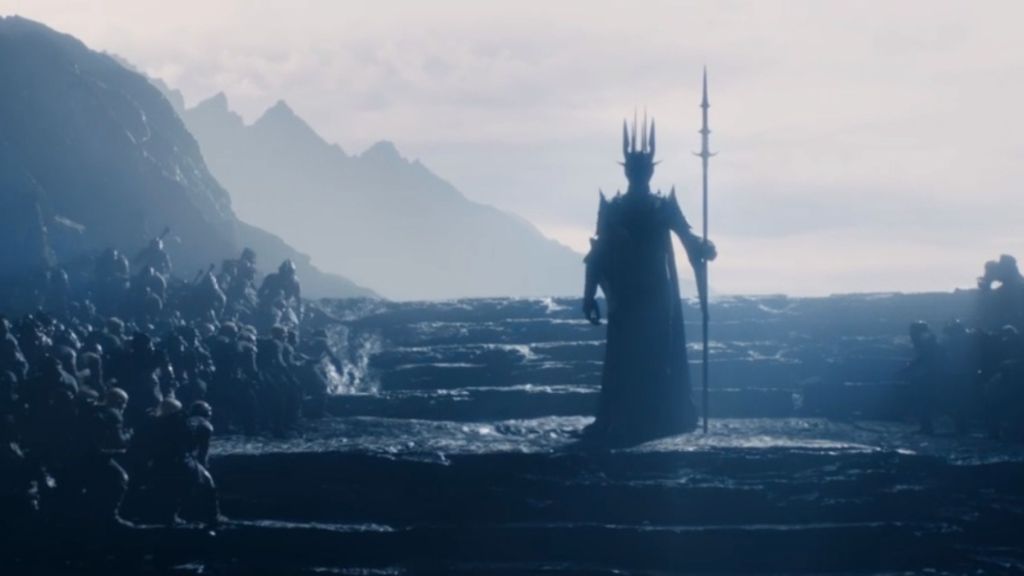
The crown jewel of Tolkien’s posthumous bibliography is undoubtedly the Quenta Silmarillion, the main section of the 1977 book The Silmarillion. This massive narrative serves as the Bible of Middle-earth, chronicling the history of the Silmarils and the prolonged war between the Noldor Elves and the first Dark Lord, Morgoth. It introduces the foundational heroes and villains of the lore, from the fiery spirit of Fëanor to the heroic sacrifice of Fingolfin. Without this text, the references in The Lord of the Rings to “Elder Days” or “Beleriand” are merely atmospheric flavor text without substance. The Quenta Silmarillion provides the grand historical canvas that gives weight to every other story in the universe, explaining why the Elves are fading and why the world is in a state of decay. It is the master key to the entire legendarium, turning a popular trilogy of adventure books into a mythology that rivals those of ancient Greece or Rome.
Which of Tolkien’s posthumous stories is your favorite? Leave a comment below and join the conversation now in the ComicBook Forum!
Most Viewed
-
Image courtesy of Tor Books/Macmillan -

Official art by Bastien Lecouffe-Deharme