In 2011, Rise of the Planet of the Apes became one of Hollywood’s surprise success stories, bringing back the classic sci-fi franchise with a reboot anchored by Andy Serkis’ compelling performance as the chimpanzee Caesar. Earning positive reviews and $481.8 million at the worldwide box office (against a $93 million production budget), Rise of the Planet of the Apes kicked off a new trilogy that only got better as it went on. At the time of their release, both Dawn of the Planet of the Apes and War for the Planet of the Apes were well-received blockbusters that impressed with state-of-the-art visual effects and compelling storytelling. Now, Planet of the Apes continues to find an audience on streaming.
Videos by ComicBook.com
According to FlixPatrol, which measures the popularity of titles across various streaming services, Dawn of the Planet of the Apes and War for the Planet of the Apes are among the top 10 movies in the world on HBO Max. The latter ranks No. 1 while the former comes in at No. 2. Based on FlixPatrol’s metrics, both have a sizable lead over Jurassic World Rebirth on the chart.
The Rebooted Planet of the Apes Series Is Great (and It Needs to Continue)
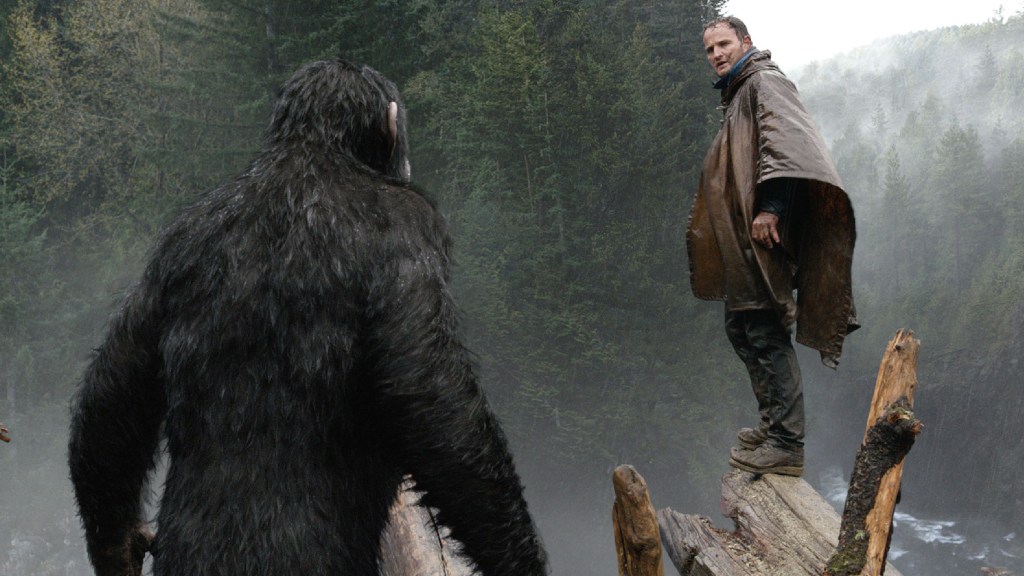
Rise of the Planet of the Apes was an excellent starting point for the modern iteration of the franchise, but the sequels elevated the IP to even greater heights. Many still consider Dawn of the Planet of the Apes to be the best installment of the bunch, in large part due to to Toby Kebbell’s captivating performance as Koba. Koba is one of the greatest cinematic villains of the 21st century, garnering sympathy from the viewer (having been subject to “human work” for most of his life) while also being an intimidating presence. He was the perfect counterpoint to Caesar’s worldview, adding a considerable amount of depth to the film.
War for the Planet of the Apes brought the Caesar trilogy to an emotionally satisfying ending. As the title suggests, it plays as a hard-hitting war drama, conveying the desperation of both humans and apes as they fight for survival in an ever-changing world. In addition to Serkis as Caesar (who was consistently tremendous across all three films), Woody Harrelson as The Colonel is a standout performance. He may not be as memorable as Kebbell’s affecting turn as Koba, but he’s still an interesting villain who illustrates the strengths of the Planet of the Apes films. While the focus of these movies was (understandably) always on Caesar and the apes, the humans were never portrayed as one-note antagonists who were evil for the sake of it. All of the main characters had perspectives that were easy to understand, even if their methods were flawed.

After War for the Planet of the Apes, 20th Century Studios opted to continue the franchise with Kingdom of the Planet of the Apes, a legacy sequel of sorts that moves the story centuries into the future, when apes have clearly become the dominant species. Despite missing Serkis as Caesar, Kingdom proved to be a worthwhile addition to the franchise, once again telling a fascinating story populated by compelling, well-rounded characters like new protagonist Noa and the villainous Proximus Caesar. Kingdom of the Planet of the Apes felt like the start of a new era for the franchise, but even though it was successful enough for a sequel to enter development, there hasn’t been much progress made on that front since the follow-up was first announced.
20th Century Studios said in October 2024 that a new Planet of the Apes film was in development, with 2027 being seen as the target release date. If that’s still the plan, time is running out. These movies are complex productions that require extensive special effects work to create all of the ape characters, and given the incredibly high bar the previous installments have set, the filmmakers certainly don’t want to rush a Kingdom sequel out of the gate. Hopefully there are some encouraging developments made on the next film this year. Kingdom showed there are still interesting stories to tell in this universe, and the franchise still attracts viewers.
War for the Planet of the Apes is streaming on HBO Max in the United States; Dawn of the Planet of the Apes is on HBO Max in select international territories. It’s on Hulu in the U.S.
What do you think? Leave a comment below and join the conversation now in the ComicBook Forum!
Most Viewed
-

Image courtesy of MAPPA -

Image courtesy of Daybreak Game Company