The 1980s were a transformative period for the fantasy genre as filmmakers moved away from traditional sword-and-sandal tropes toward ambitious world-building and innovative practical effects. This era saw the birth of cinematic universes that felt tactile and lived-in, largely because the technology of the time required physical sets and animatronics rather than digital environments. These productions often carried significant financial risks for studios, but the result was a library of films that possess a unique aesthetic charm that modern blockbusters frequently fail to replicate. Today, these films serve as foundational texts for the fantasy genre, influencing everything from modern television series to the latest tabletop role-playing games.
Videos by ComicBook.com
This list focuses specifically on the most rewatchable entries from this prolific decade. Rewatchability is a distinct metric from critical perfection, as it rewards movies that feel like a homecoming for the viewer or those that contain intricate details that only become clear once the resolution is known. Some of these titles provide an escapist adventure that audiences return to during times of stress, while others utilize complex lore and foreshadowing that make the second or third viewing more rewarding than the first. Of course, there is some overlap between the best fantasy movies of the 1980s and the most rewatchable ones. Still, some cult classics such as Labyrinth didn’t make the cut.
7) Krull
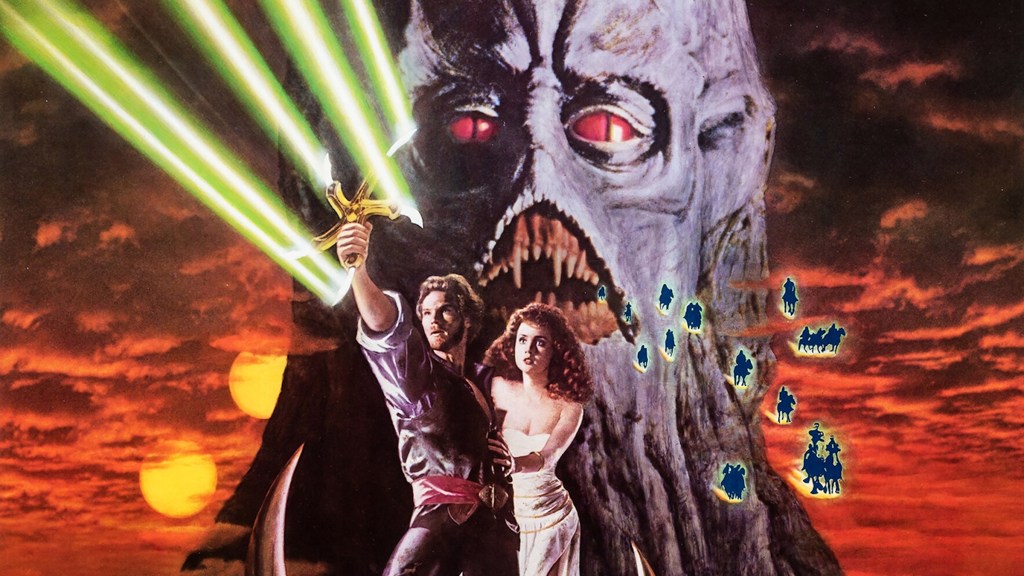
Blending chivalric romance with interstellar dread, Krull remains one of the 1980s’ most ambitious genre experiments. The plot follows Prince Colwyn’s (Ken Marshall) odyssey across a shifting landscape to reclaim his bride (Lysette Anthony) from the Black Fortress—a teleporting citadel commanded by an ancient being known as the “Beast.” While the narrative of Krull hits familiar heroic beats, the film’s lasting appeal lies in its singular visual language, specifically the Glaive, a mystical, five-pointed throwing star that has become a permanent fixture of genre iconography. In addition, James Horner’s sweeping, operatic score lends a sense of tragic weight to the adventure, while the massive practical sets provide a physical presence that digital environments rarely achieve. Beyond the spectacle, eagle-eyed fans also return to spot early-career performances from Liam Neeson and Robbie Coltrane, both of whom ground this bizarre world in genuine humanity.

6) The Beastmaster
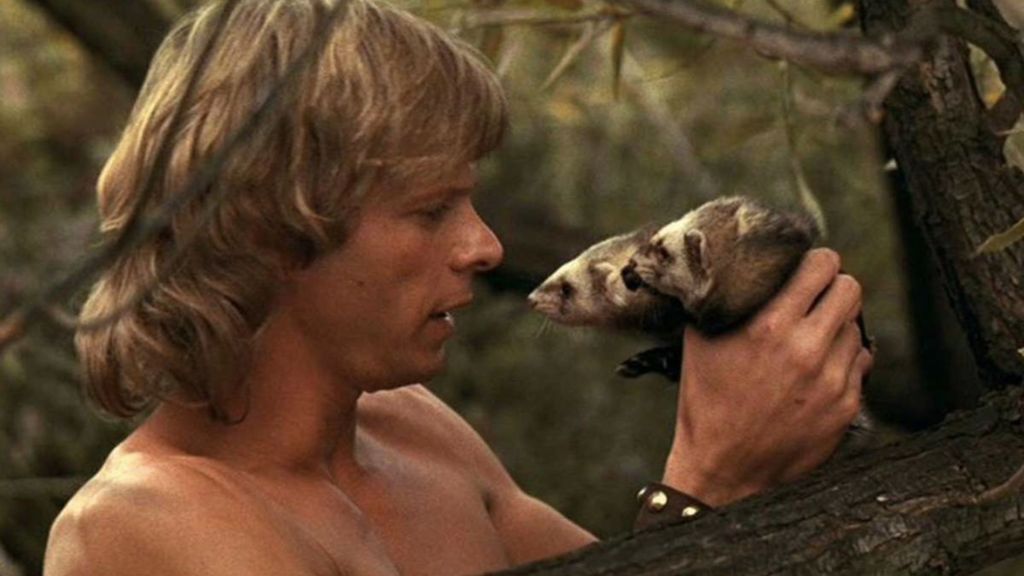
Director Don Coscarelli carved out a permanent niche in the fantasy genre with The Beastmaster, a film that found its greatest success through the relentless rotation of 1980s cable television. The narrative centers on Dar (Marc Singer), a displaced prince with the telepathic ability to communicate with a loyal cadre of animals, including a pair of thieving ferrets and a golden eagle. Together, they embark on a quest for vengeance against the high priest Maax (Rip Torn), whose sacrificial cult threatens to consume the surrounding tribes. The Beastmaster is timeless because Coscarelli emphasizes the raw textures of the wilderness, utilizing practical makeup and unsettling designs for the winged Jun horde to heighten the film’s sense of danger. The genuine bond between Dar and his menagerie also provides an emotional core that makes the adventure worth revisiting, offering a sincere look at a hero defined by his connection to the natural world.
5) The Last Unicorn

Produced by Rankin/Bass and featuring the voices of Mia Farrow and Christopher Lee, The Last Unicorn explores the journey of a unicorn who discovers she is the last of her kind. The animated movie is a rewarding experience to watch multiple times because the script addresses complex themes of mortality, regret, and the loss of innocence that often go unnoticed by younger audiences, which means you can uncover new details when revisiting the story. Furthermore, the animation style of The Last Unicorn, influenced by medieval tapestries, provides a lush visual backdrop for a narrative that subverts traditional fairy tale tropes. Repeated viewings also allow fans to focus on the nuanced performance of Christopher Lee as King Haggard, a villain driven by a tragic obsession rather than simple malice, an outlier in child-friendly animation even by today’s standards.
4) Willow
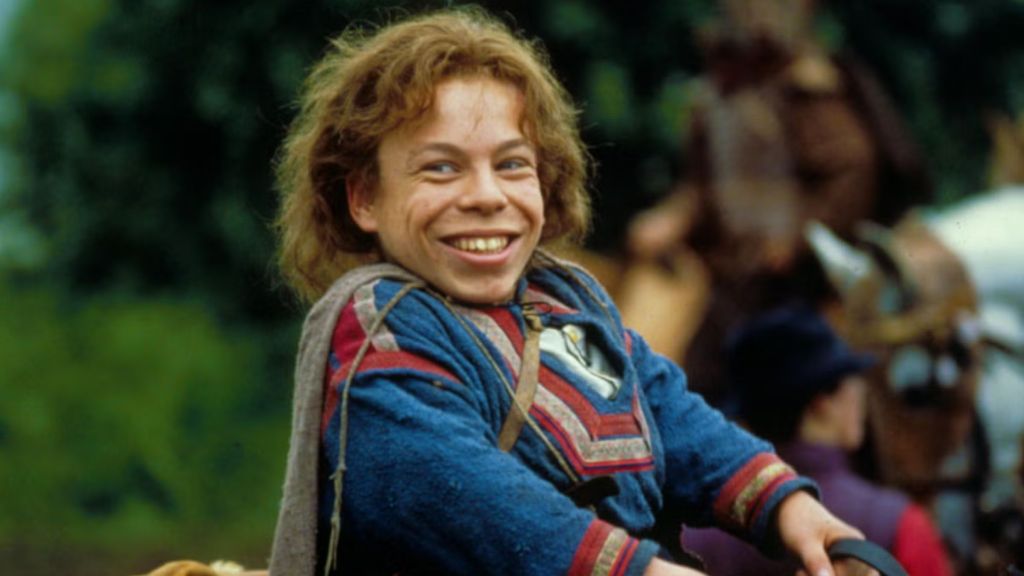
Ron Howard’s Willow remains an essential 1980s movie primarily due to the effortless chemistry of its unlikely heroic duo. Pairing an aspiring Nelwyn sorcerer (Warwick Davis) with a cynical swordsman named Madmartigan (Val Kilmer) creates a dynamic of mutual exasperation that provides the film’s comedic heart. In their shared mission to protect a prophesied infant from the sorceress Bavmorda (Jean Marsh), these characters transform a traditional high-fantasy quest into a humor-filled adventure. Character-driven humor of this sort helps ground the more fantastical elements, from trolls to two-headed dragons, which might otherwise feel distant or overly grim. Finally, underpinning the entire journey is a triumphant James Horner score that evokes a sense of constant wonder, ensuring the world of the Nelwyns remains an inviting place to revisit.
3) The NeverEnding Story
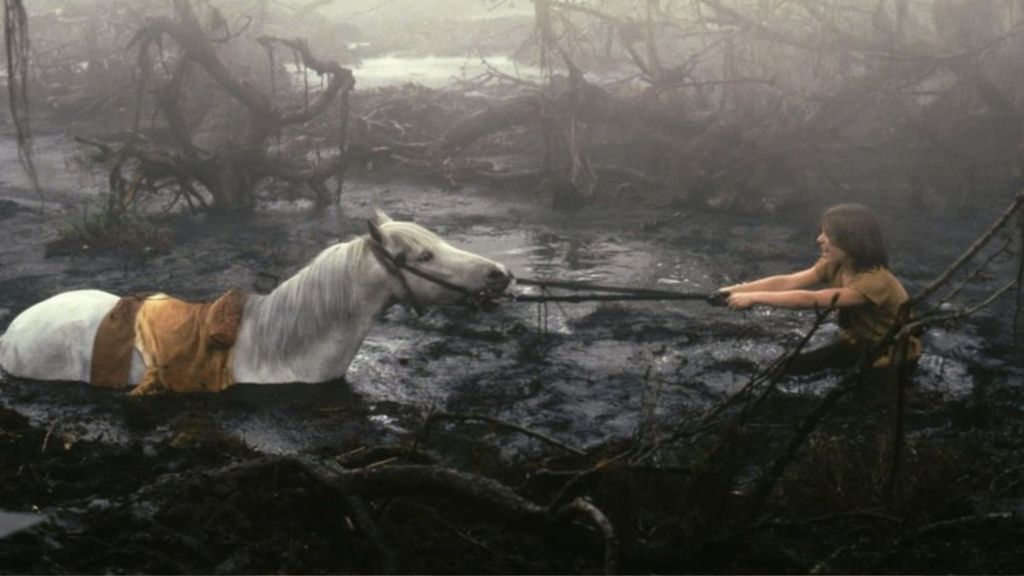
Wolfgang Petersen’s adaptation of Michael Ende’s The NeverEnding Story is perhaps the most existential entry on this list, offering a meta-narrative that becomes more profound with every viewing. The movie follows Bastian (Barret Oliver), a lonely boy who discovers a magical book that chronicles the destruction of the realm of Fantasia by an all-consuming force known as “The Nothing.” As Bastian reads of the young warrior Atreyu’s (Noah Hathaway) quest, the boundaries between the reader and the world of the story begin to dissolve, not unlike the barrier between audience and film. This layer of self-reflexivity makes The NeverEnding Story highly rewatchable, as viewers often find themselves looking for the subtle cues that signal Bastian’s increasing influence on the plot. Furthermore, the film’s creature designs—from the massive Rock Biter to the animatronic luckdragon Falkor—possess a soulful quality that fosters a deep sense of empathy. While the Swamp of Sadness remains a traumatic milestone for many, The NeverEnding Story’s ultimate message about the power of human imagination provides a cathartic resolution that draws audiences back time and time again.
2) Big Trouble in Little China
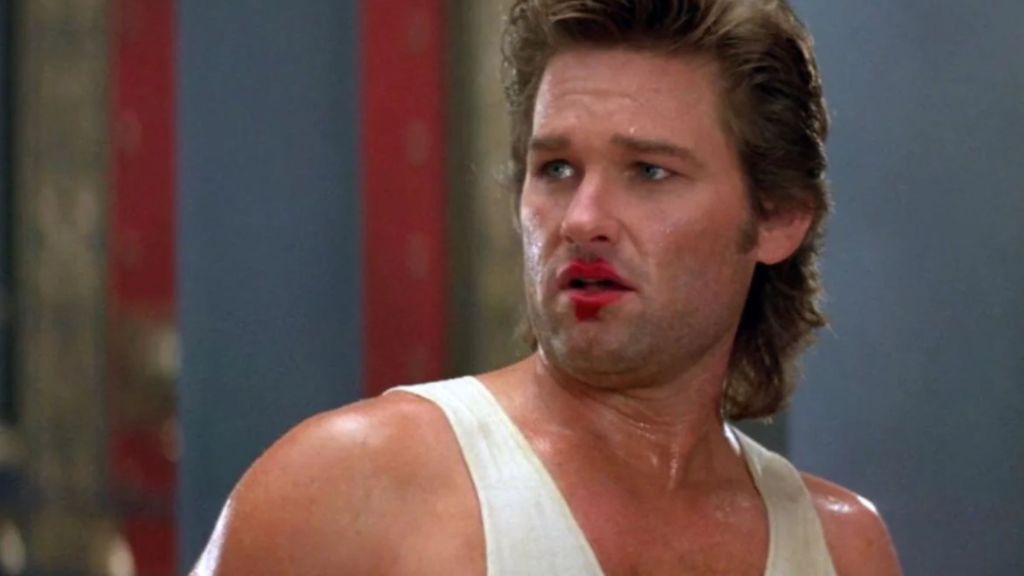
John Carpenter successfully subverted the traditional hero archetype with Big Trouble in Little China, a film that blends Chinese folklore with 1980s action sensibilities. In the movie, Kurt Russell stars as Jack Burton, a truck driver who believes he is the protagonist of an epic struggle against the ancient sorcerer Lo Pan (James Hong). The genius of Big Trouble in Little China, and the reason it is so rewatchable, is the realization that Jack is actually the bumbling sidekick to the far more capable Wang Chi (Dennis Dun). This narrative trick becomes more apparent and hilarious with every subsequent viewing, as Jack’s bravado constantly leads to his own embarrassment. By treating its supernatural elements with a mix of sincerity and absurdity, Carpenter created a cult classic that rewards fans who enjoy spotting the subtle ways the film mocks the tropes of the era.
1) The Princess Bride
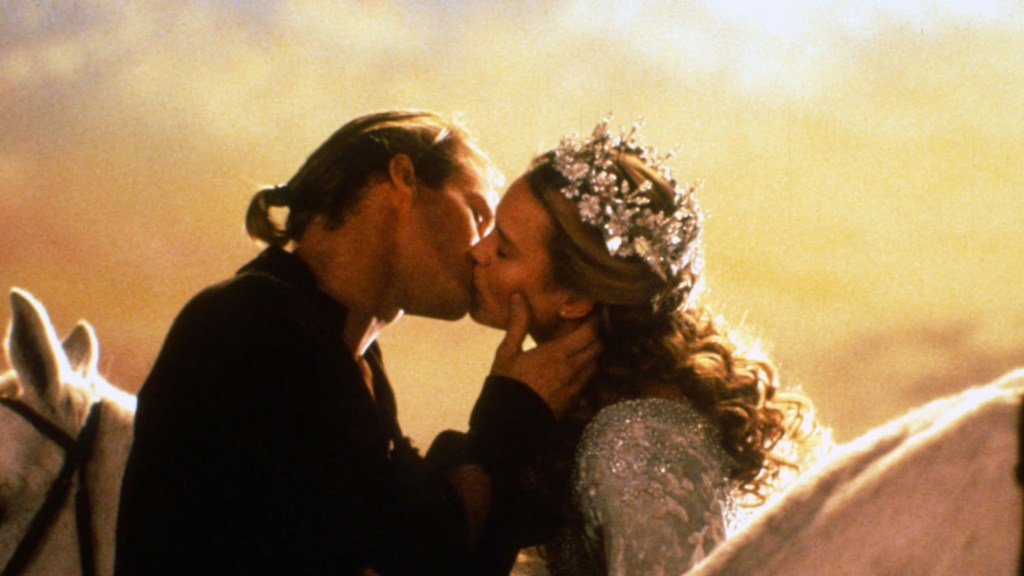
The Princess Bride is the quintessential rewatchable fantasy film, largely because it is a movie about the act of storytelling itself. Directed by Rob Reiner and adapted by William Goldman from his own novel, the film uses a framing device of a grandfather (Peter Falk) reading to his sick grandson (Fred Savage) to bridge the gap between cynical reality and sincere romance. This structure allows the film to comment on its own tropes while simultaneously executing them with perfection. Beyond the humor, The Princess Bride’s rewatchability stems from its impeccable casting. From Cary Elwes’ dashing Westley and Robin Wright’s ethereal Buttercup to the iconic supporting trio of Mandy Patinkin, André the Giant, and Wallace Shawn, there isn’t a wasted second of screen time. Due to all that, The Princess Bride is a rare cinematic feat that functions equally well as a parody of the genre and as its most earnest representative, offering a comfort-food experience that never loses its magic, no matter how many times the story is told.
Which 1980s fantasy classic do you find yourself returning to whenever you need a dose of cinematic magic? Leave a comment below and join the conversation now in the ComicBook Forum!
Most Viewed
-

Official art by Bastien Lecouffe-Deharme -

A photo of the Retrovolt Arcade taken in 2017, showing several classic arcade cabinets and stools. -

Image Courtesy of Paramount