Every great sci-fi movie usually has a villain that’s just as compelling as the hero. Star Wars is arguably the best case for a series of films where the bad guys are just as interesting to fans as the heroes, who doesn’t love Darth Vader and Boba Fett even before their redemption arcs? That said, as interesting as those villains are, their appeal is largely an aesthetic and performance one. Even antagonists as distinct as Dr. Zaius in the Planet of the Apes movies or Hal-9000 in 2001: A Space Odyssey are compelling because of the moral quandaries that they present and how clearly they’re at fault at every turn.
Videos by ComicBook.com
That said, sometimes you get a villain who, after revealing their big plan or their monologue about what’s really troubling them, your ears perk up and make you think: they might be onto something. It happens very seldom, so infrequently that there are very few sci-fi villains who actually fit the criteria, which makes every case you come across one that scatters your brain just a touch. Are their methods questionable? Almost certainly. Are their actions defensible? Seldom. At the end of the day, are they right, though? More often than you might think.
7) Magneto – X-Men Franchise
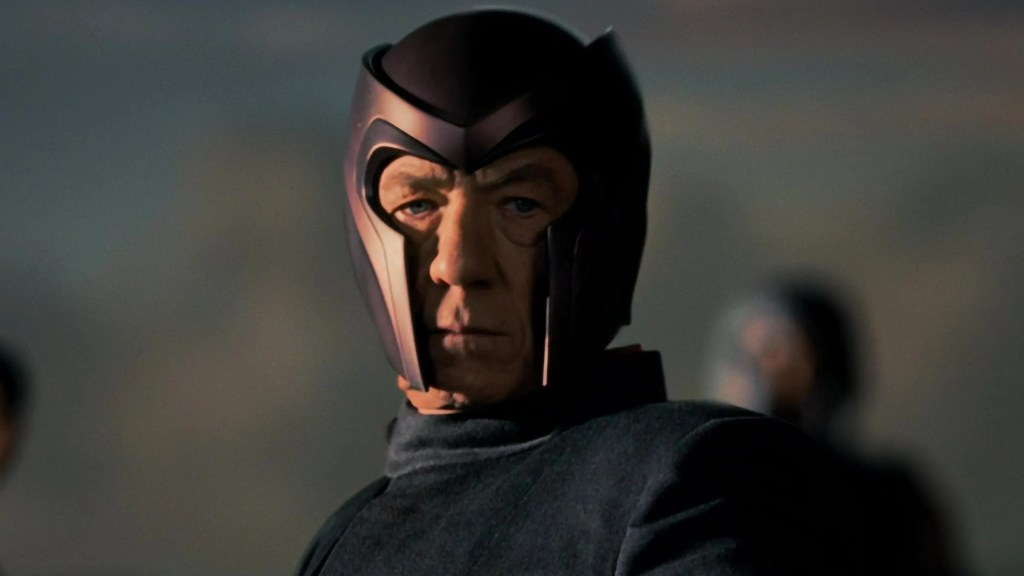
It’s perhaps old hat to denote once again that, yes, “Magneto was right,” but despite the insistence by the X-Men feature films that the character is one of the antagonists of the franchise, it’s very much the truth. Let’s take just the first X-Men movie into account for the sake of argument. In the film, firebrand U.S. Senator Robert Kelly is working to pass the “Mutant Registration Act,” speaking about mutants in a way that strips them of their humanity entirely. Everyone knows that government-created lists of people are largely no good, so it’s understandable that Magneto takes issue with this. Are his methods what make him a bad guy? Sure. Are they extreme? Well, no one wants to become a big blob of goo. Is he right, though? Every minute of every movie. X-Men: First Class finally embraces Magento’s ethos, though, and allows him an epic Nazi-hunting sequence that remains a highlight of the entire series.
6) The Creature From the Black Lagoon
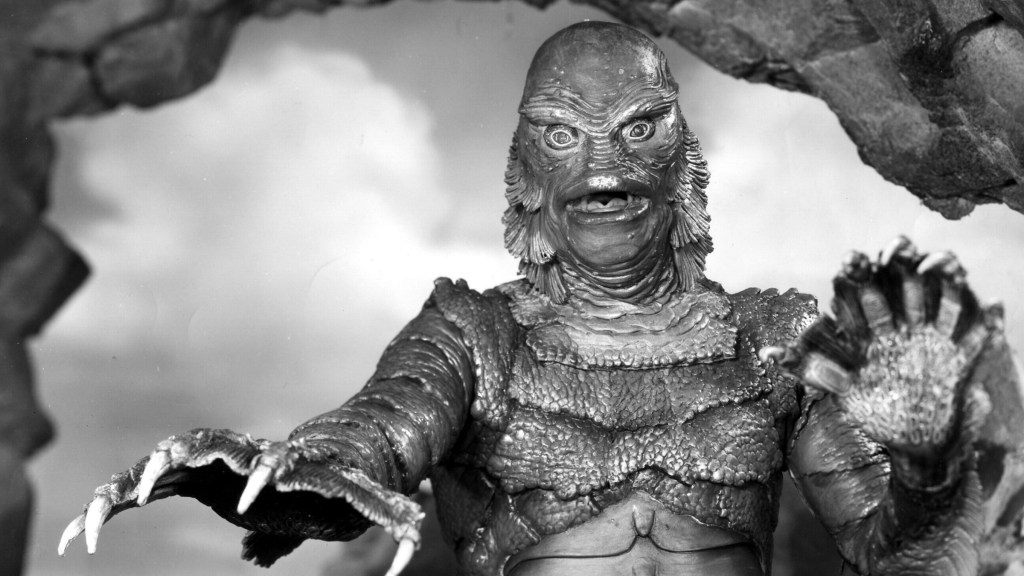
You’re a primordial beast that has been confined to a forgotten corner of the Amazon rainforest, and your isolation and life are fully disrupted by pesky, curious humans. It’s only natural that you defend your territory, the sole slice of the world that has been designated for you. This is the plot of Creature from the Black Lagoon from the perspective of the beast, and, yes, he does kill a few people, and maybe he attempts to kidnap a woman for reasons unknown, but this is, at its core, a wild animal that is only acting in its best interests. If it were just ignored, no one would have gotten hurt, and he could continue to live in peace, harming no one.
5) Agent Smith – The Matrix
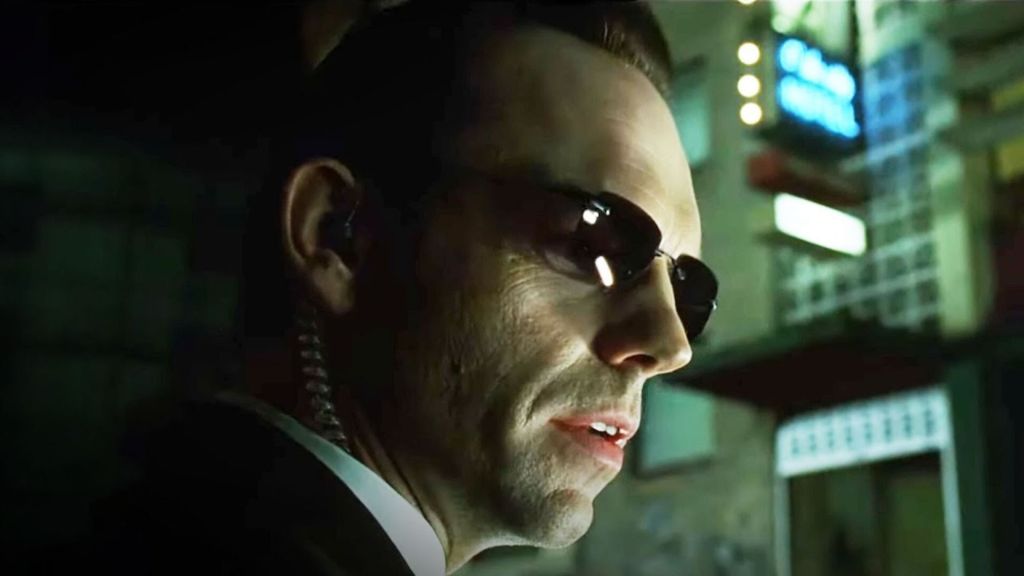
Agent Smith’s multiple monologues to Morpheus in the second act of The Matrix paint a picture of a complicated figure, a being that is bound by the law and order of the system that he serves, but who has become completely repulsed by his duties and wants more. Smith’s downfall, of course, is believing that his association with the system will end up being not only his salvation, but his parachute out. He’s wrong about that, but what he’s right about is his assessment of humans as a whole, calling them a virus who ruin everything around them, but also calling out how The Matrix was designed to be loud and oppressive because the human mind can’t actually conceive of utopia. As the modern social media landscape will reveal, he was right.
4) Roy Batty – Blade Runner
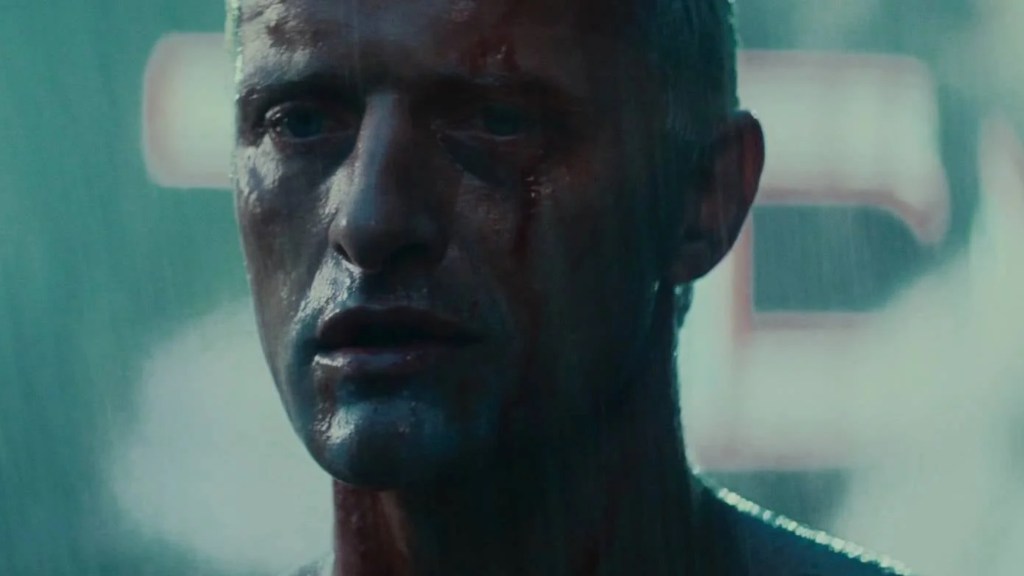
The heart of Blade Runner really isn’t Harrison Ford’s Rick Deckard; it’s the antagonist that he’s chasing, Rutger Hauer’s Roy Batty. Though unseen until late in the film, Batty is a replicant who returns to Earth to face his maker, to get answers for why he was made, and to simply understand his place in the universe, despite knowing that he does not have long to even enjoy it. At the end of the day, the big philosophical questions that make Blade Runner so compelling from an intellectual standpoint largely stem from Batty’s understanding of the world and his existential dilemma. His tragedy is compelling because he is us, after all.
3) Teddy Gatz – Bugonia
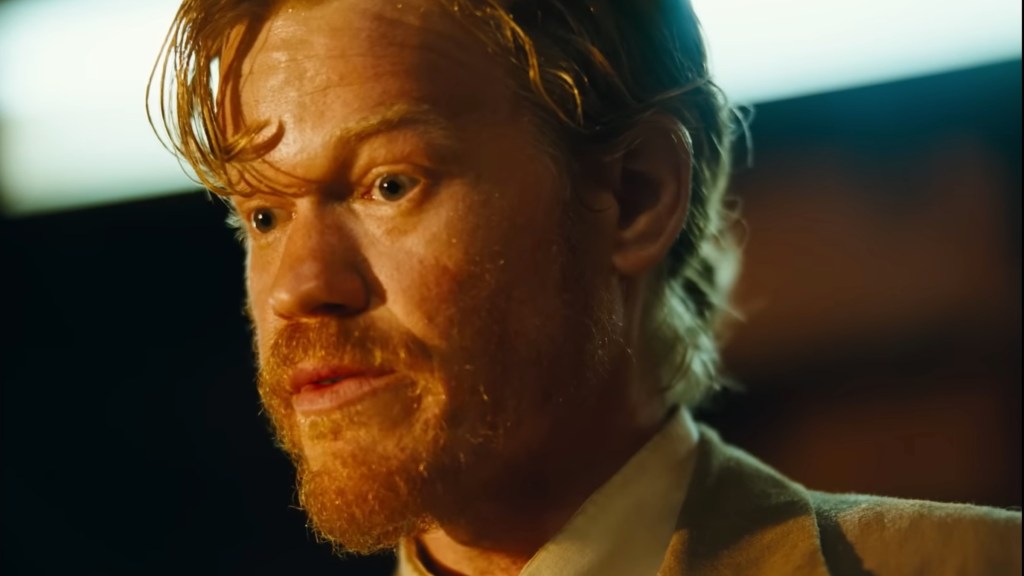
Spoiler alert, but Jesse Plemons’ Teddy Gatz in last year’s Oscar-nominated Bugonia was right all along. The film frames his deranged feelings and ramblings as conspiracy-laden nonsense, utilizing the kind of language and phrasing that we hear from actual theorists so that even though we may hear what he’s saying, we’re not taking any of it at face value. The film positions him in such a way that when other major reveals occur (like his past victims and the death of his cousin), it seems like he really is crazy, only for the film to reveal in its final minutes that he was actually correct all along about Emma Stone’s Michelle Fuller and who is really controlling the Earth.
2) Howard – 10 Cloverfield Lane
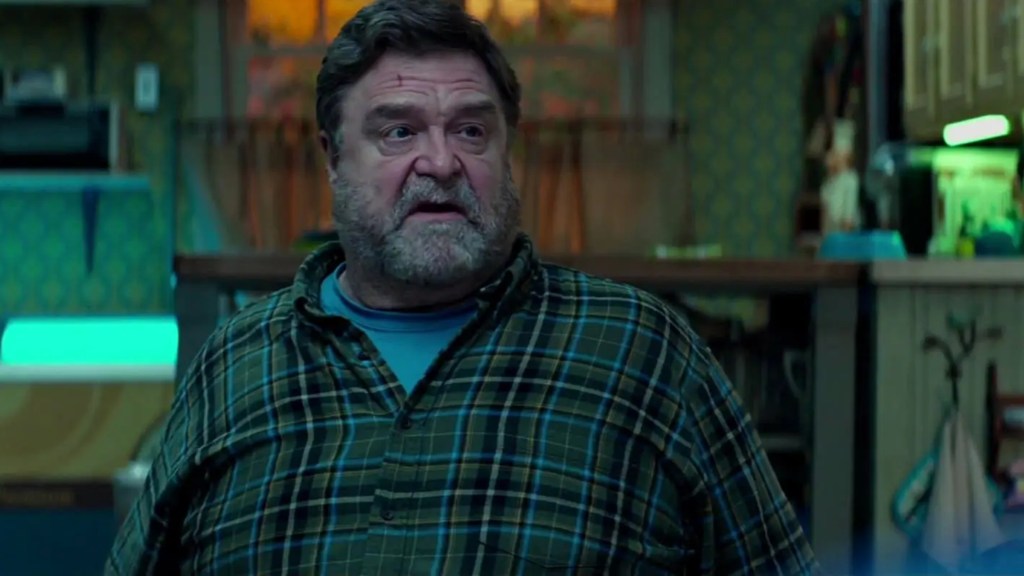
Let’s make one thing clear: John Goodman’s Howard IS out of his mind. 10 Cloverfield Lane reveals that he once kidnapped a young woman to enact his fantasy of having his daughter back in his life, only to kill her when she refused. Within the narrative, he’s often shown as deranged and unstable, even before his violent history is fully revealed, with one character even saying he has “a black belt in conspiracy theories.” As a result, his insistence that it’s not safe outside, that alien threats perhaps linger on the surface, is not believable until the finale of the film confirms that it’s true.
1) Mr. Glass – Unbreakable
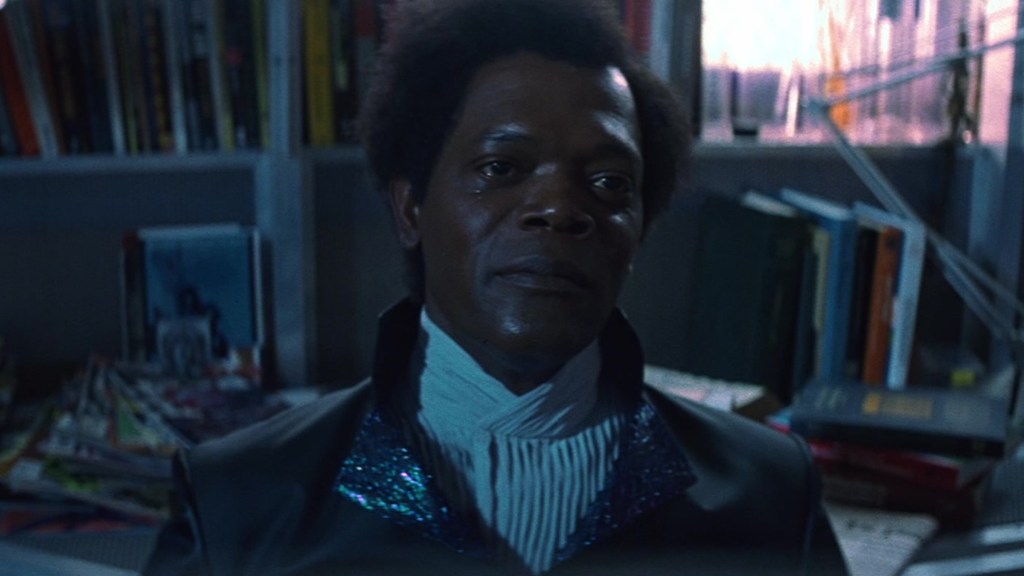
Elijah Price (Samuel L. Jackson) has a theory in M. Night Shyamalan’s Unbreakable, one he developed from reading comic books for his entire life. If someone like him, with a genetic disorder that gives him easily breakable bones, can exist, then there must be someone on the other side of that coin who is…you know. Now, did Mr. Glass need to burn up an entire high-rise, crash a plane, and derail a train all to prove that he was right? No, he’s a super genius after all; another solution almost certainly would have come to him, but the ending of Unbreakable proves that he’s right: superheroes exist.
Most Viewed
-
Image courtesy of Tor Books/Macmillan -

Official art by Bastien Lecouffe-Deharme