Ask anyone why they stopped watching The Walking Dead and you will get a different answer, usually involving a specific season and a specific death, but the numbers tell a different story. In October 2014 the season five premiere pulled 17.29 million viewers, a figure AMC pushed to roughly 22 million once delayed viewing was counted, making it the most watched episode in the history of cable television. By the time the final season premiered in August 2021, that number had fallen to 2.22 million, while the series finale in November 2022 managed 2.27 million. Somewhere in between, a show that once owned Sunday night shed roughly 87 percent of its audience, and the critical scores went down with it. The series sits at 79 percent on Rotten Tomatoes overall, with individual episodes bottoming out in the mid-thirties.
Videos by ComicBook.com
Meanwhile, on the other side of the world, a Korean production company spent 35 billion on building a zombie show inside a royal court, blew through its budget, lost four episodes of its planned run because of it, and made something that holds 98 percent on Rotten Tomatoes and an 8.3 on IMDb across every episode it ever produced. It never had a rough stretch that fans quietly agree to skip on a rewatch. It arrived fully formed, ran for two seasons and a feature-length special, and then stopped. Most people reading this have likely not seen it.
Why Does a 12-Episode Korean Drama Beat a Show That Ran for 11 Seasons?
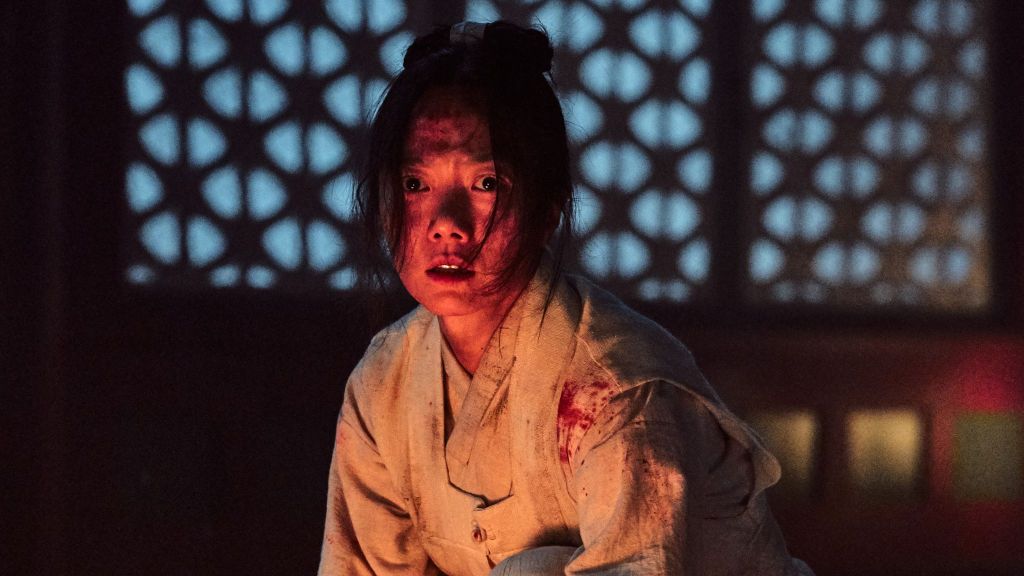
The show is Kingdom, which premiered on Netflix in January 2019 as the streamer’s first original Korean-language series, two full years before Squid Game became the biggest thing on the platform. Writer Kim Eun-hee had been working on it since 2011, meaning these scripts sat in development for eight years before a single frame got shot.
The premise sounds like a genre mashup and plays like neither half of it. The king of Joseon is dying. His young queen and her powerful father conspire to keep the throne away from the Crown Prince by reviving the corpse with a resurrection plant, and what comes back is no longer the king. The plague moves outward from the palace, and it moves first and fastest through the starving, because famine has already pushed the poor toward eating what they absolutely should not.
Kim has described the structure in fourteen words: season one told the story of hunger, and season two told the story of blood. That is the whole show, and it explains why these zombies land differently. In The Walking Dead, the outbreak simply happened one day and the series never much cared why. Here the outbreak is the direct consequence of a specific decision made by specific people who are still in the building, still scheming, and still eating extremely well while everyone outside the palace walls starves. Critic Jae-Ha Kim called it a sociopolitical series disguised as a zombie horror thriller, which honestly undersells the horror half. This thing is frightening.
What Did They Actually Spend All That Money On?
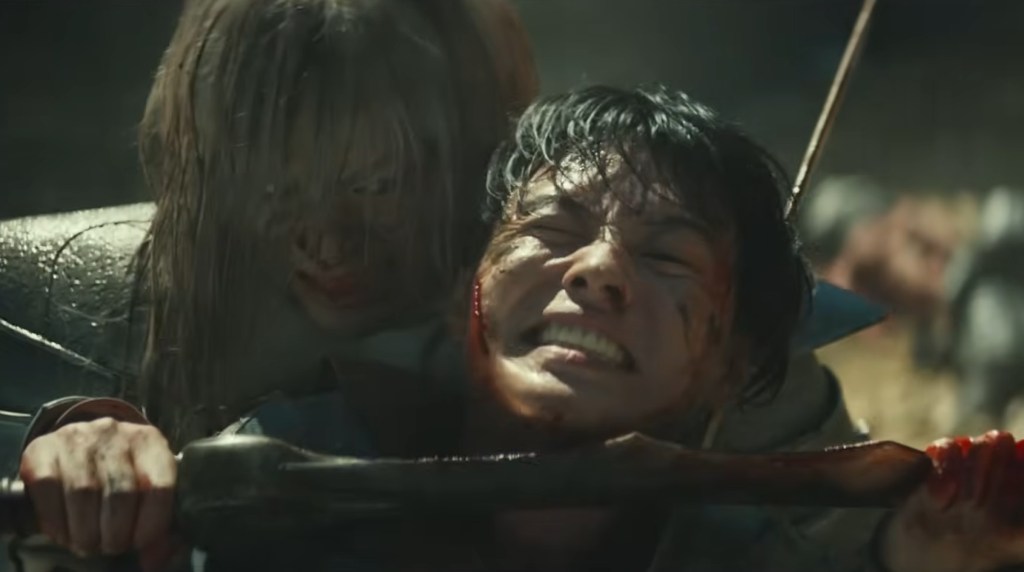
Director Kim Seong-hun told Variety each episode cost more than $1.8 million, and he has been refreshingly honest about what happened next. Kingdom was planned as eight episodes per season across two seasons, sixteen in total. Production ran six months instead of four, overspent badly, and delivered twelve. The story feels unfinished because somebody had to stop paying for it.
What the money bought is visible in every frame. Production designer Lee Hwo-kyoung benchmarked real locations including Gyeongbok Palace, built in 1395, then added maze-like passages to make the place work for horror. Costume designer Kwon Yoo-jin built the class system directly into the color palette, telling Variety the team wanted a balance between the magnificent and the mundane, and explaining that red and black were the hardest colors to produce with Joseon dyeing techniques, which is exactly why they read as royal. The gat, those wide-brimmed horsehair hats, became a global talking point entirely on their own.
Then there are the infected. Kim Seong-hun conceived them as plague victims rather than traditional undead, and made them fast and nocturnal, dormant at sunrise and appalling after dark. That one rule does more work than entire seasons of other shows, because it turns every sunset into a countdown clock. It is also the rule the series eventually breaks, revealing that temperature rather than sunlight controls them, which was planted as the hook for a third season nobody has made.
But Isn’t The Last Of Us The Best Zombie Show Now?
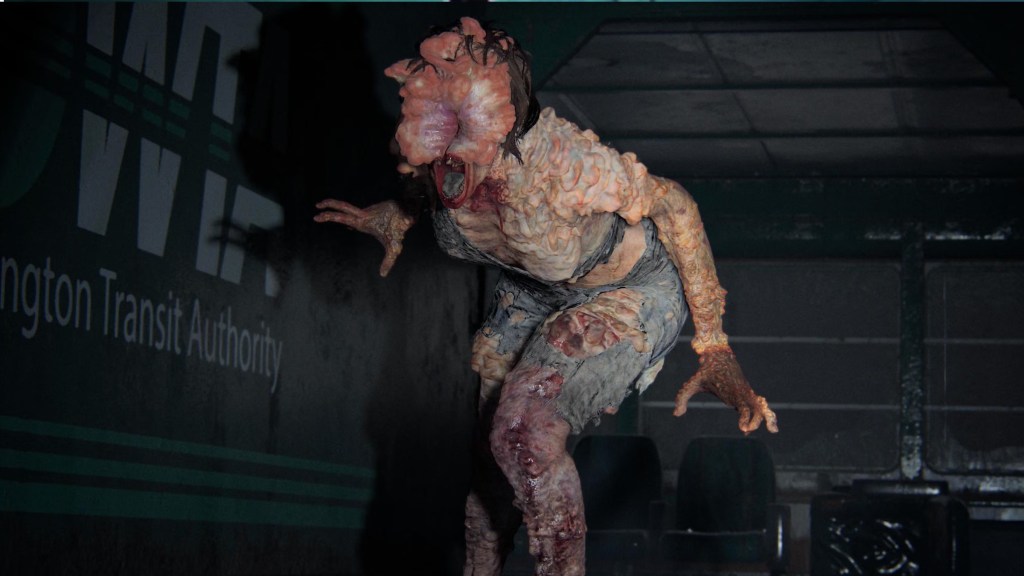
This is the honest objection, and it deserves a straight answer, not a shrug. On hardware, The Last of Us wins and it’s not even really close. Season one took 24 Emmy nominations and 8 wins, led all programs at the Creative Arts Emmys, and collected a Peabody on the way out. It holds a whopping 96 percent with critics. Kingdom has no Emmys, because it was never eligible for one, and its awards record is real but modest. It has three wins at the 2020 Asia Contests Awards, including Best Actor for Ju Ji-hoon and Best Writer for Kim Eun-hee.
Two things still favor Kingdom, and the first one is a definitional argument that actual scientists have waded into: the infected in The Last of Us are driven by a mutated cordyceps fungus, and HBO’s own language calls them zombie-like instead of zombies. Researchers at Yale, Rutgers, and Colorado State have all published on the gap between that fiction and the biology. For the best zombie show specifically, the fungal asterisk matters.
The second argument is simpler and harder to answer. The Last of Us declined. Season two kept its critics but watched its audience score collapse to 37 percent, and sixteen Emmy nominations turned into a single win. Kingdom never had that season, because Kingdom never had a bad one. For the record, this site has previously handed the crown to All of Us Are Dead and made a strong case for Black Summer, and both truly deserve the company. Neither one is working with a 98 percent, a royal court, and a body count that starts with a king.
Ju Ji-hoon closed his 2020 awards speech by asking the room to look forward to Kingdom season three. Six years on there is still no season three, no cancellation, and no word from Netflix either way. Both seasons and the Kingdom: Ashin of the North special are sitting there right now, just north of eleven hours total, which is about half a season of The Walking Dead.
More TV Shows
-

Prime Video & United Artists -
lineup of heroes from batman the brave and the bold