
Before the likes of Ned Stark, Jon Snow, and Daenerys Targaryen had even been seen on screen, Game of Thrones established the threat of the White Walkers. The rather literal cold open in the show’s very first episode provided a tease of the overarching threat, who would loom over the events of the show until Season 8. That’s when the battle between the living and the dead truly started, and where, to the dismay of many viewers, it all too quickly ended, with the Night King killed by Arya Stark after just three episodes of the show’s final season.
Videos by ComicBook.com
If “The Long Night” is the nadir of Game of Thrones‘ White Walker story, or at least its most disappointing moment, then its zenith arrived several years earlier, in Season 5, Episode 8, “Hardhome.” The installment is a triumph for several reasons, even before getting to the action beyond the Wall: Tyrion Lannister advises Daenerys, and she makes her iconic “break the wheel” speech; Theon Greyjoy reveals he did not kill Bran and Rickon Stark. But it’s the eponymous location that it’s rightly remembered for, and where Thrones unleashed hell – and the dead came with it.
“Hardhome” Is One Of Game Of Thrones’ Greatest Episodes
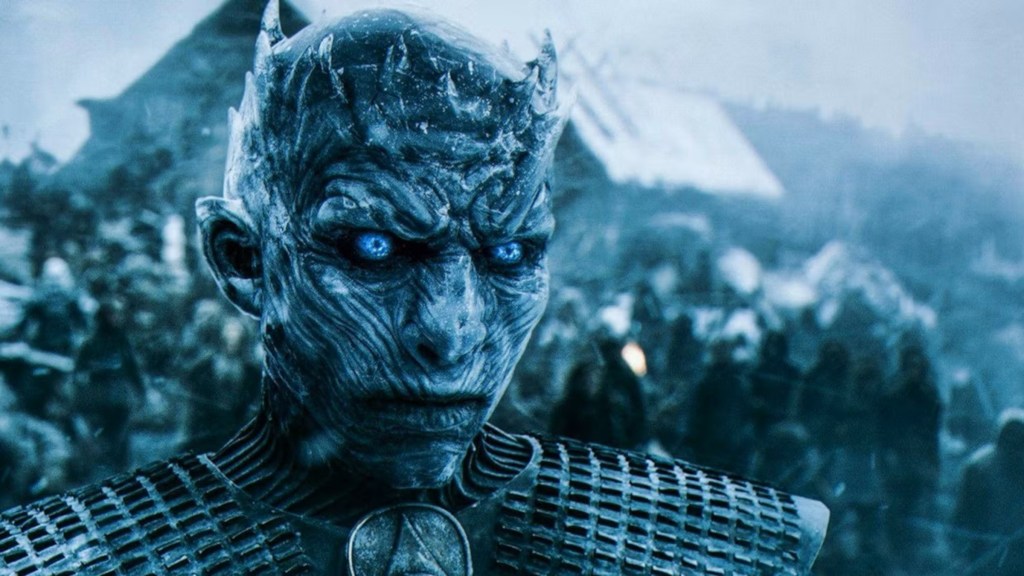
“Hardhome” arrived at a time when The Walking Dead was a genuine rival to Game of Thrones for the biggest thing on TV, and feels like the latter throws down a marker: this is how you do an epic, terrifying zombie story. There’s a temptation to put this in with the best Game of Thrones battles, but that isn’t entirely true nor fair: this is not a battle, it’s an absolute massacre. The forces of the undead army fall upon the living like something out of a horror movie, inspiring terror and awe at every turn.

There are some great heroic moments in there to make you feel, even briefly, like the good guys have a chance. Jon Snow actually kills a White Walker with his Valyrian steel sword, Longclaw, revealing another weapon that can be used against them. But as the bodies pile higher and and higher, it builds to its chilling crescendo: the Night King raises his arms, and the dead rise with him. Game of Thrones wouldn’t be the same after this, for better or worse.
The Night King Created A Big Problem For Game Of Thrones
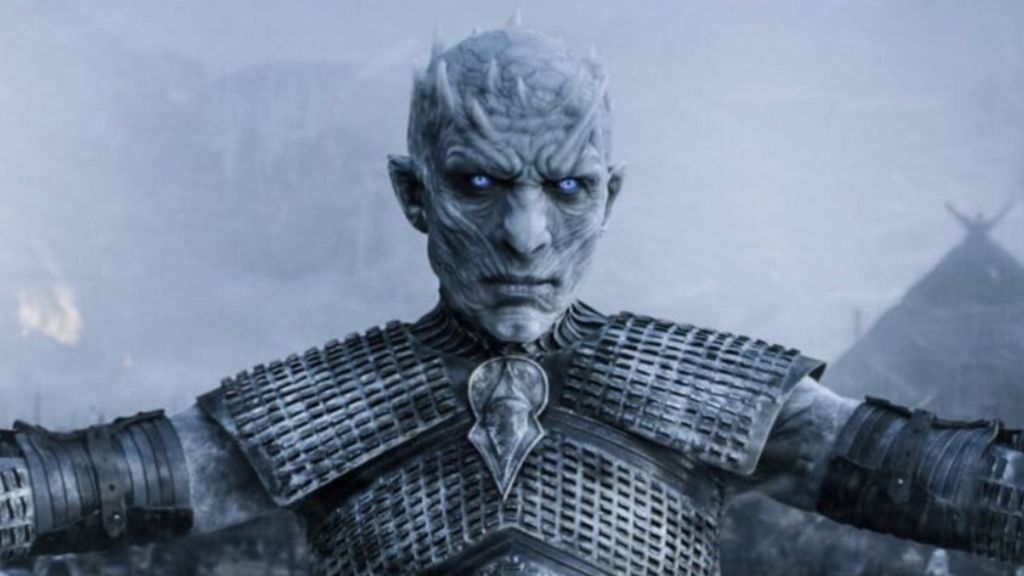
The Night King’s full introduction in “Hardhome” (having first been teased in Season 4) was undoubtedly an epic moment for the series, and one that raised the stakes for its endgame. However, it also created a problem that factored into what went wrong with the White Walkers: it created, by design, a singular villain to be defeated. He might’ve been undead, but otherwise this pushed an unconventional fantasy story into have an overarching bad guy who was, when you boil it down, a more conventional all-powerful Dark Lord archetype.
Of course, that’s not inherently a problem for all fantasy stories, because there are countless examples of it working, but Game of Thrones wasn’t set up for it. The White Walkers, or “the Others” as they’re known in George R.R. Martin’s A Song of Ice and Fire books, started off as a force of nature, and they work better that way. As an existential threat, quite literally the coming of death, they’re designed to be mysterious and unknowable, and that’s a neat thematic villain to have with the realm focused on political squabbling and family feuds while that builds in the background.

The Night King not only shifts it more squarely into “good vs. evil” territory, but he also demands answers that the show was not willing to provide. I think it’s fine to have the Others be relatively unexplained as a magical force, but the Night King was once human, he was given a clear goal (killing the Three-Eyed Raven), and yet those things weren’t detailed, which makes it so much more disappointing when he’s suddenly killed, and all other White Walkers die with him.
The original version of the White Walkers – assuming there are no plans for the Night King in the books, which seems a safe bet – would’ve actually fit with the strengths of David Benioff and D.B. Weiss more as well. They never seemed as interested in the more fantastical elements of Martin’s books, outside of having dragons for the spectacle. Things like direwolves and prophecies were downplayed, and there was a degree less magic, and so it’s hardly a surprise they didn’t explain the White Walkers – but that would work better without the Night King.
He was created to give audiences a clear focal point villain, which is an understandable intent. But while it gave him an undeniably epic entrance and showed just how powerful he is, it was then as if the work was done, so we got something halfway between the mysterious force they started as, and the evil villain with a compelling background he could perhaps have been with a lot more time and effort in expanding upon that. Which, given the backlash to his defeat, means things might’ve been better without him involved at all.
Game of Thrones is available to stream on HBO Max.
What do you think? Leave a comment below and join the conversation now in the ComicBook Forum!
