
Lanterns Episode 4 has everyone buzzing (again), as the show’s biggest mystery got answered – or did it? Since Episode 2, Lanterns has made us believe that the show’s big bad is the “Manhunter,” a shape-shifting synthetic lifeform that was part of a galactic peacekeeping army, which predated the Green Lanterns. The last Manhunter has been hiding out on Earth, and the list of suspects came down to just one family.
Videos by ComicBook.com
Episode 4, “The Weenie”, finally confirms what many fans suspected (SPOILERS): Zoe Macon (Poorna Jagannathan) was revealed to be the Manhunter, but only after we got a fake-out death that seemed to take her off the board. However, those same fake-out moments in Lanterns have viewers still questioning whether this Manhunter reveal is all it seems. Other theories go deeper, questioning whether the entire premise is what we’ve been led to believe.
Is Zoe Really The Manhunter?

Zoe Macon has been a conspicuous suspect since Episode 1, before we even knew that the threat of the Manhunter existed in Rushville. Her rendezvous with John Stewart (Aaron Pierre) at the bar seemed too coincidental; after she kept catching him alone, it seemed impossible to ignore that there was something more to her than being a wealthy tycoon’s wife and a dedicated grandma. However, there were times when Zoe seemed a slave to the whims of her husband, Macon (Garret Dillahunt).
That’s what makes the reveal about Zoe being the Manhunter hard for some people to believe: We still haven’t seen any real agency or desire coming from Zoe (except for John). So while she may be an alien being, we still don’t know anything about Zoe’s backstory, her tactics, or her ultimate goal. One answer just led to more questions. There are also narrative gaps that make it possible that Zoe is a red herring; as she explained, she was working as a nurse when Macon came to her with cancer; Zoe could be the benefactor who healed him, or be a figurehead covering for the real Manhunter. Some people think the grandson she dotes on, Noah, could be much more than he seems…
Is The Manhunter Really the Villain?
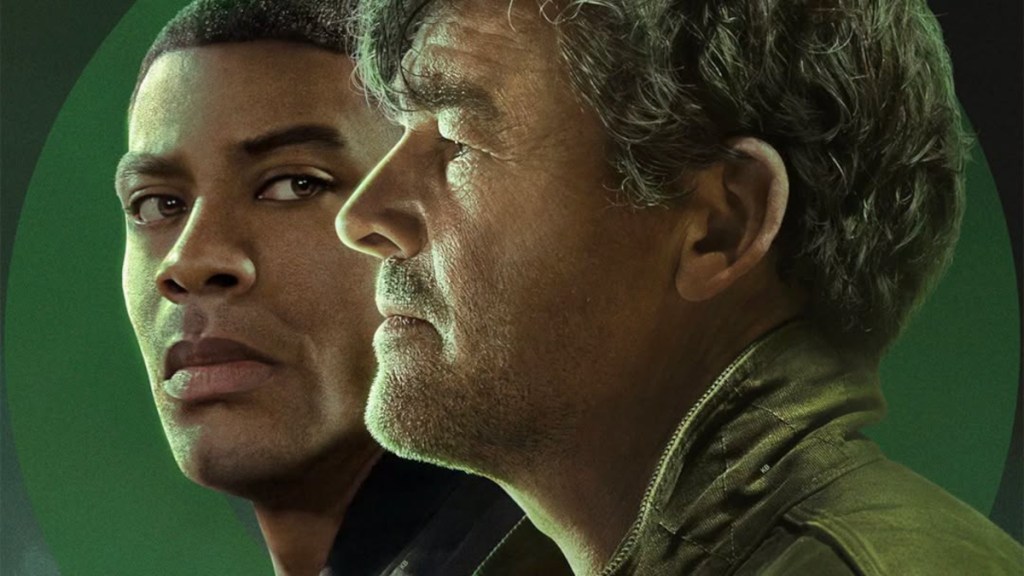
The other part of this discussion is what kind of story Lanterns is even trying to tell, and whether the Manhunter is truly the villain we’ve been led to believe.
Taking the reveal about Zoe at face value: from what we’ve seen over four episodes, the Manhunter poses no threat to Rushville or its residents. To the contrary: the advanced alien technology in Rushville (plus testimony from various characters) paints the picture of the Manhunter being a true “benefactor” in deed, not just in name. The townspeople are safe, healthy, and prosperous, and it seems like Zoe values her home and neighbors. The most threatening thing going on is William Macon developing anti-alien technology and arming his militia with it – which could very well be part of the Manhunter’s design. Earth could be a beachhead for the last Manhunter to wage a war of survival – but against whom?
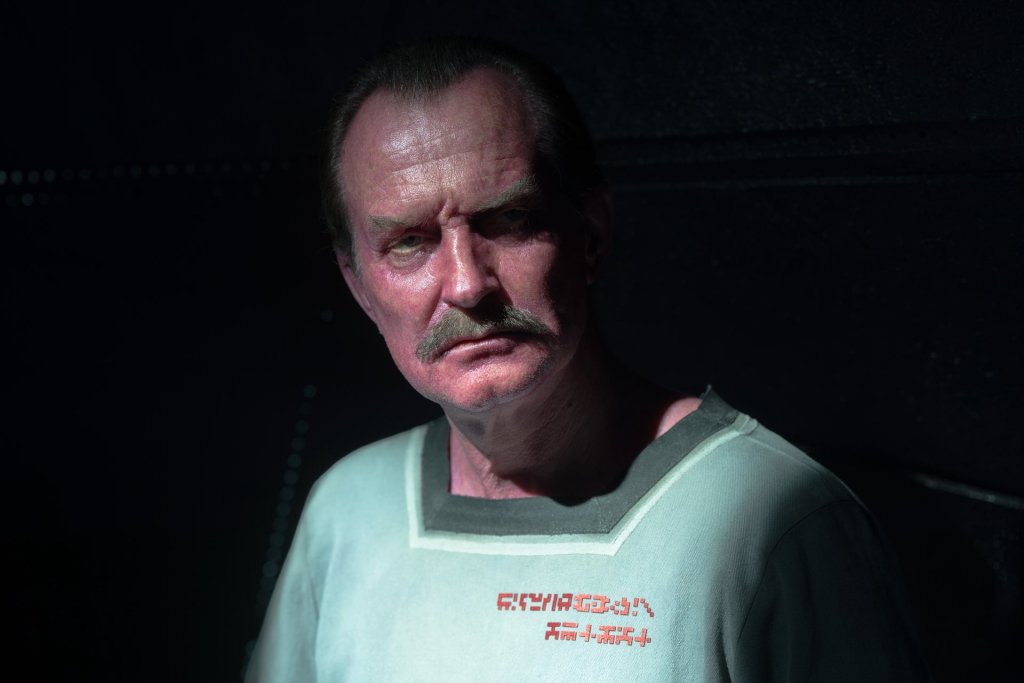
There is a growing theme of duty and service to certain institutions leading to disappointment and discardment – and it all comes back to the Guardians. If Lanterns follows traditional DC lore, we’ll learn how the Guardians created (or commanded) the Manhunters, before discarding them in favor of the Green Lanterns (leaving aliens like Antaan and his gang burning for vengeance). Now, the Guardians have discarded Sinestro for his insubordination and are in the process of discarding Hal Jordan (Kyle Chandler) for being uncontrollable. Meanwhile, John Stewart represents a new era of Lanterns the Guardians have tried to engineer from birth (human, but thoroughly conditioned). The Guardians may very well want the last Manhunter eliminated to protect the secret of their own bad decision-making, which would make them flawed enough to be the biggest antagonists in the show.
Do you believe Zoe is really the Manhunter? And that she’s really the villain of the show? Let us know your theories!
Lanterns airs on HBO and streams on HBO Max.
More TV Shows
-

Image Courtesy of Universal



Forum Conversation: LANTERNS EP 4 MANHUNTER REVEAL
Go to Forum“Atrocitus” huh LOL
We don’t know how Hal knows — the ring could have told him. We DO now that Hal is not in the habit of checking in, and he goes “with his gut”, so he could just be reacting to his perception of the information he has. The ring could have detected another ring being used when John has his test, and knowing he hasn’t exactly been a model corps member and his age now being more and more a factor, plus his ego… it’s more than likely his behaviour is all driven by assumptions (they are trying to replace me) that just happen to be partially correct, therefor (in his eyes) reinforcing the prospecting telling him all he thinks he needs to know.
What I do love about this show is it leverages the Rashomon storytelling style of telling one even from the perspective of different characters (sometime unreliably), and every time we are told what we “already know”, we actually learn more about what really happened. The answers are most likely right in front of us, it just hasn’t clicked (by design) from the right perspective yet.
Yeah, my comment wasn’t praise (per se) about John’s method — just pointing out their very different approaches — which I feel adds to their disconnect since they aren’t communicating motives. They could actually learn a lot from each other (both for this case, and how to be better Lanterns) had they not been played against each other by Lianna.
Personally, I don’t think time matters (narrative-wise) in relation to one or several Manhunters. They have no real individual personality or motivation outside their human cover, and since we’ve already been introduced to who they are and what they did, having one, three or ten hiding in the town, or hell — the whole town — would need little more setup. All the things you mention can be covered easily in the remaining four episodes, while also revealing half the town (for instance) are Manhunters seeking refuge from those searching for them. What If that is what Abin Sur discovered? Not one, but a colony of them — having Zoe as the narrative’s “representative” for them — and that way providing their exposition.