Have you ever stopped to think about some of the iconic names in TV sci-fi history? It’s impossible to forget The X-Files and the legacy it built starting in the ’90s, lasting for 11 seasons, and now waiting for a reboot from Ryan Coogler. But why was it such a success? The show proved there was a huge audience for stories about agents investigating aliens, monsters, conspiracies, and phenomena that shouldn’t be possible. Naturally, that kind of premise was bound to spark people’s curiosity, so it didn’t take long for other productions to follow suit and take inspiration from it.
Videos by ComicBook.com
Over the years, we’ve seen plenty of shows use some very specific elements from the classic, trying to replicate them almost directly, while others came up with their own ideas but still wore their X-Files influence on their sleeve. And what became clear was that copying this classic was much easier than figuring out why its formula actually worked. That’s why, looking back, we can easily count how many series took that approach and failed to deliver — one of them managed to get it right, though.
4) Baywatch Nights
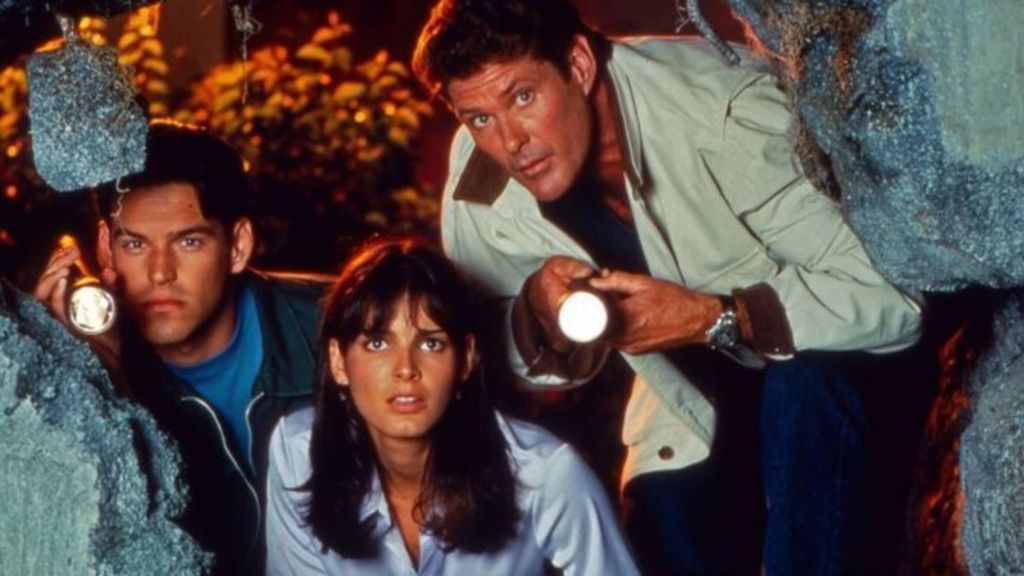
Baywatch Nights is a spin-off of Baywatch and, at first, doesn’t have much to do with The X-Files, since it starts out as a crime drama following Mitch Buchannon (David Hasselhoff) as he works as a private investigator alongside Ryan McBride (Angie Harmon). But then Season 2 came along and turned the whole premise into a copy of the classic, deciding that ordinary crimes were no longer enough and turning Mitch into an investigator of paranormal phenomena instead. That’s when he teams up with Diamont Teague (Dorian Gregory), a supernatural expert, and the two start dealing with aliens, vampires, monsters, and all kinds of unexplained threats. And yes, the change was intentional.
Reportedly, the first batch of episodes wasn’t pulling in particularly strong ratings, so the production decided to change pretty much everything in an attempt to save the show, taking inspiration from The X-Files. The problem was that this was an extremely drastic change from what Baywatch Nights had established from the very beginning. Instead of creating a new duo with the same kind of chemistry as Mulder and Scully, it felt like a desperate attempt to jump on the paranormal fiction bandwagon. Besides, the fact that the protagonist was still Mitch only made the whole thing even harder to take seriously.
3) The Burning Zone
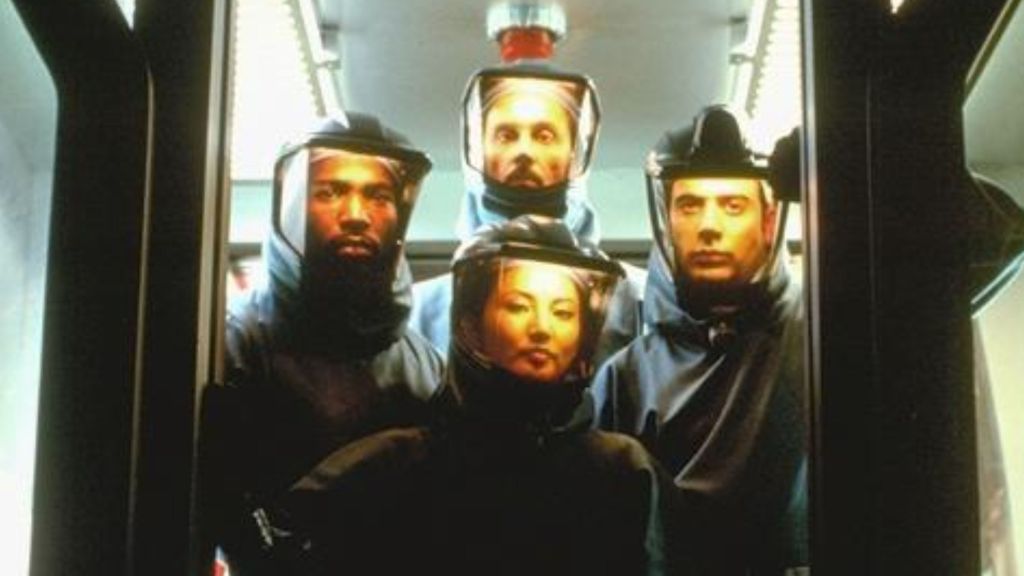
Unlike Baywatch Nights, The Burning Zone at least had an idea that made sense within what was working on TV at the same time. The series follows a government team made up of scientists and specialists who investigate mysterious outbreaks, dangerous viruses, and potential biological threats, making diseases and bioterrorism the scientific equivalent of The X-Files‘ supernatural cases. But the comparison becomes clearer when you look at the structure: there’s a team investigating phenomena that nobody can fully explain, government agencies hiding information, and the feeling that something bigger is also happening behind the scenes.
The problem is that The Burning Zone seems more focused on recreating the elements of The X-Files than figuring out what could make its own version work eventually. Basically, the show couldn’t find a character dynamic as strong as the one in its inspiration, and trying to balance scientific investigation, theories, and action made it feel like it was changing direction while it was still on the air. Even the character changed midway through the season ended up giving the impression the series was still trying to figure out what it was after it had already premiered. It showed up while The X-Files was at its peak, so the comparisons were pretty much inevitable.
2) Dark Skies
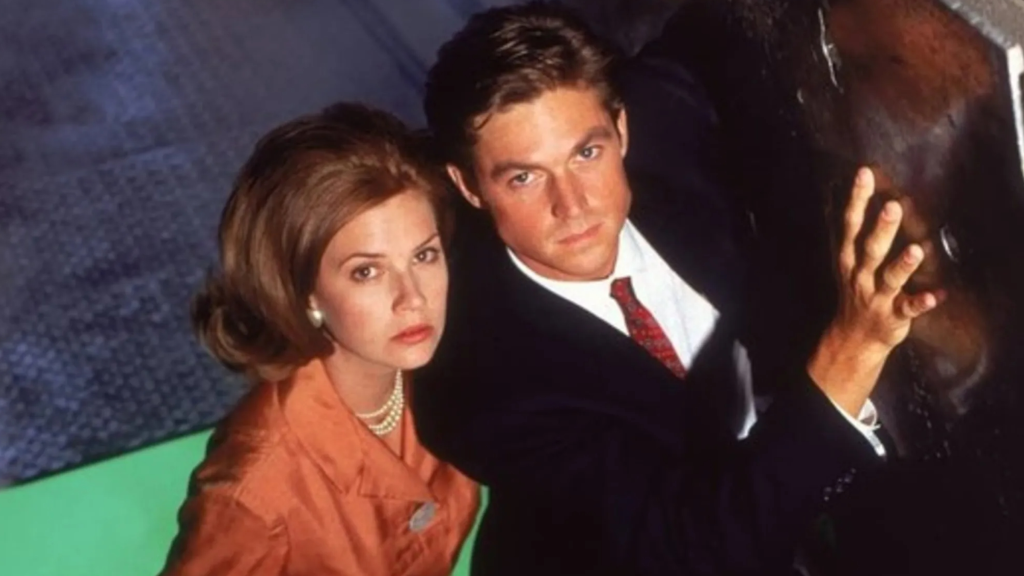
Here, there’s one advantage that other shows didn’t have: a great idea of its own. In Dark Skies, we meet John Loengard (Eric Close) and Kimberly Sayers (Megan Ward), two agents who discover that aliens have infiltrated Earth and the U.S. government has been covering it up for decades. From there, pretty much the entire history of the 20th century can be reinterpreted as part of this conspiracy, with historical events and famous figures getting an alien explanation. It’s basically a premise that seems tailor-made for anyone who loved the conspiracy side of The X-Files, but instead of using that as one of the show’s many storytelling tools, it made it the whole plot. In a way, that’s also what made it age well.
This strategy left less room to simply introduce a strange case and let the audience figure out what was going on — everything had to come back to the alien invasion. Honestly, Dark Skies was a pretty good ripoff, but it still didn’t come close because a large group of people found it difficult to keep up with. It was much more serialized, while The X-Files had a hybrid format where you could enjoy one episode focused on a government conspiracy, then move on to a story about ghosts, and so on. Plus, it was partly sold as something that could fill the void left by The X-Files, only it didn’t exactly deliver the same experience, did it?
1) Fringe
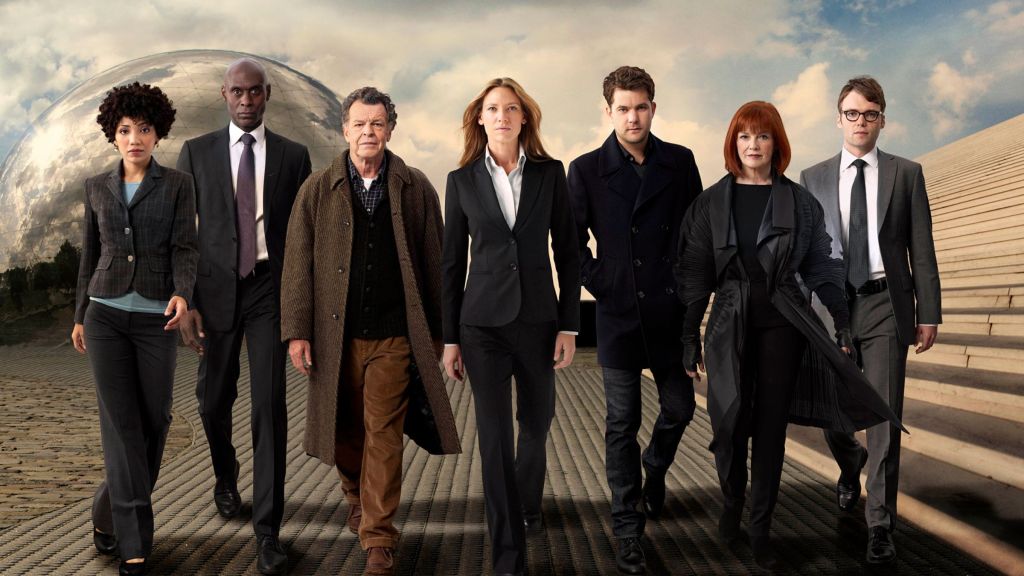
Fringe is different because, when you watch it today, it’s easy to see where the influence of The X-Files ends and the show’s own identity begins. Initially, it feels very familiar, with protagonist Olivia Dunham (Anna Torv) being an FBI agent tasked with investigating events that defy any conventional explanation, and to do that, she needs the help of the eccentric scientist Walter Bishop (John Noble) and his son, Peter (Joshua Jackson). So, we have secret experiments, intrigue, unexplained deaths, and a government division specifically dedicated to investigating what nobody else can figure out — basically, the perfect setup for comparisons to Mulder and Scully.
However, Fringe isn’t just a repeat of the formula, because as the story moves forward, the isolated cases start becoming part of a mythology involving parallel universes, alternate versions of the characters, and scientific experiments with deeply personal consequences. And that’s the interesting part that brings the show much closer not just to being the next The X-Files, but to almost standing alongside it. It starts with a structure the audience already knew, but uses that structure to tell a different story, with figures and elements that are important and central to everything. Actually, this series understood the goal wasn’t to be the next The X-Files, but to figure out what could come after it.
More TV Shows
-
Image Courtesy of Sci-Fi Channel