It all started quite simply. At a 1977 sketch show put on by comedy troupe the Groundlings, an up-and-coming member of the troupe created a character whose entire premise was that he’d never be a successful comedian. The gag is that everyone can tell just by looking at him that he will never make it; when he opens his mouth, and the nervous energy that emerges gives him no ability to deliver a punchline, it becomes even clearer. The larger premise of the sketch at hand was that it featured characters you’d see at a comedy club, but the humor of this character was that his failure to be funny was so intense it became funny again.
Videos by ComicBook.com
He later appeared on The Dating Game, completely in character, with no overt indication that it was an act. After that, he fully honed the act when he created a stage show, which was a bizarre mix of ’50s kitsch, wild puppets, and his persona, now a man-child TV host with wacky neighbors, and dreams of flying like Superman. The persona was featured in Cheech and Chong’s Next Movie, which helped give it a push into the spotlight. In 1981, HBO filmed the live show for TV, and it launched an iconic character into the zeitgeist forever.
If you asked him, he might have said, “I meant to do that.” The show was The Pee-wee Herman Show, starring Paul Reubens.
The Connection Between SNL & Pee-Wee
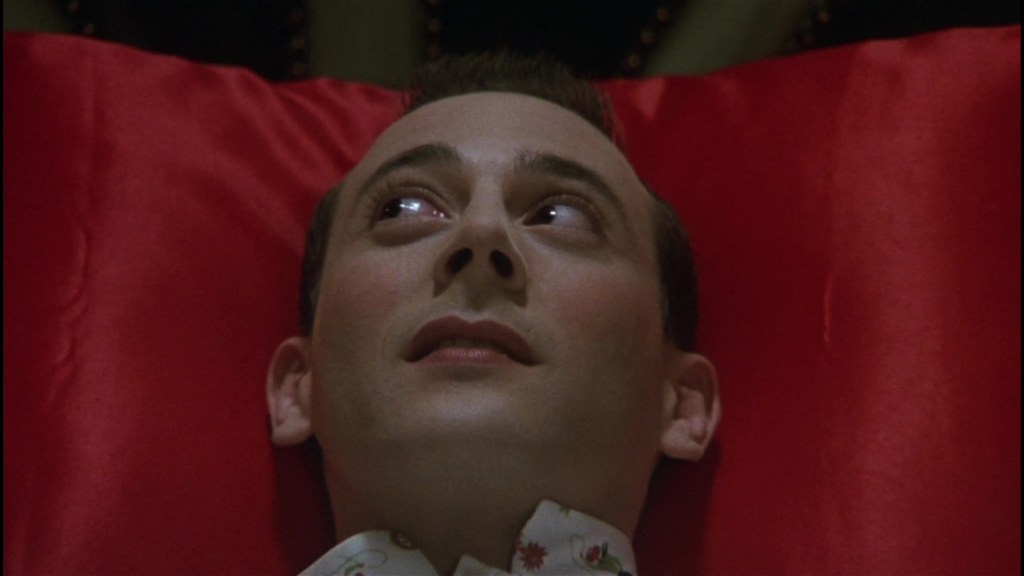
If Paul Reubens’ audition for Saturday Night Live had worked out, we might never have seen The Pee-wee Herman Show. Instead, the success of the stage show led to several appearances on Late Night With David Letterman, where Pee-wee’s awkward funny-unfunniness was a perfect match for the host’s sensibilities. As the character became more and more popular, Reubens and fellow Groundling Phil Hartman, prior to his own successful SNL stint, wrote a movie together, Pee-wee’s Big Adventure.
They caught lightning in a bottle when Reubens saw a short film called “Frankenweenie” that was getting a lot of buzz around Hollywood, and chose someone untested to direct. That man was a former Disney animator named Tim Burton, and his collaboration with Reubens was a career-maker for both. The movie came out in 1985; Hartman would join SNL the following year, along with fellow Groundling Jan Hooks, who steals a scene in the film as Tina, the Alamo tour guide.
Pee-Wee Herman Heads Back to TV & Meets Laurence Fishburne
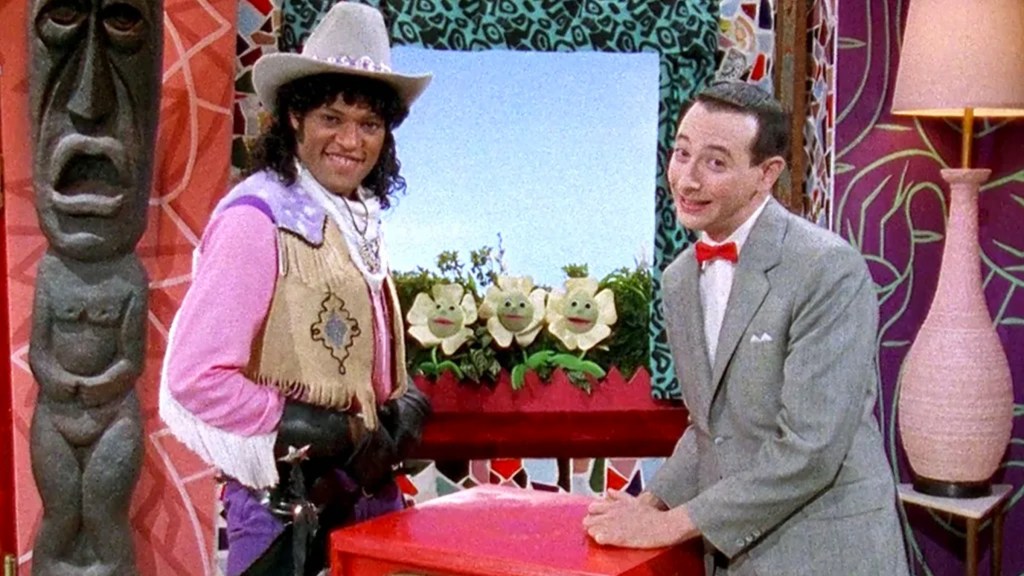
The success of Pee-wee’s Big Adventure begat Pee-wee’s Playhouse on CBS — an expanded, more kid-friendly version of The Pee-wee Herman Show that took advantage of a larger budget to include more animation and wildly detailed, psychedelic sets full of creative puppet characters. The original stage version of Pee-wee had a mildly dirty mind, looking up women’s skirts with mirrors on his shoes. The new iteration was just a big kid who liked to have fun with zany gadgets and larger-than-life friends. Among them were a countess who was also a cow, Hartman as the pirate-like sailor Cap’n Carl, Blacula star William Marshall as the King of Cartoons, and a young Laurence Fishburne as Cowboy Curtis.
This was the Pee-wee most people would remember, though it didn’t fit as well with his next movie, 1988’s Big Top Pee-wee. With Randal Kleiser (Grease) at the helm instead of Burton, the movie tried to make the Pee-wee character a more romantic lead, giving him both Penelope Anne Miller and Valeria Golino as love interests. There’s even a scene in which he loses his virginity, which probably wasn’t anything fans of the Playhouse had been clamoring for.
The Problem With Kayfabe – Even for Pee-Wee Herman
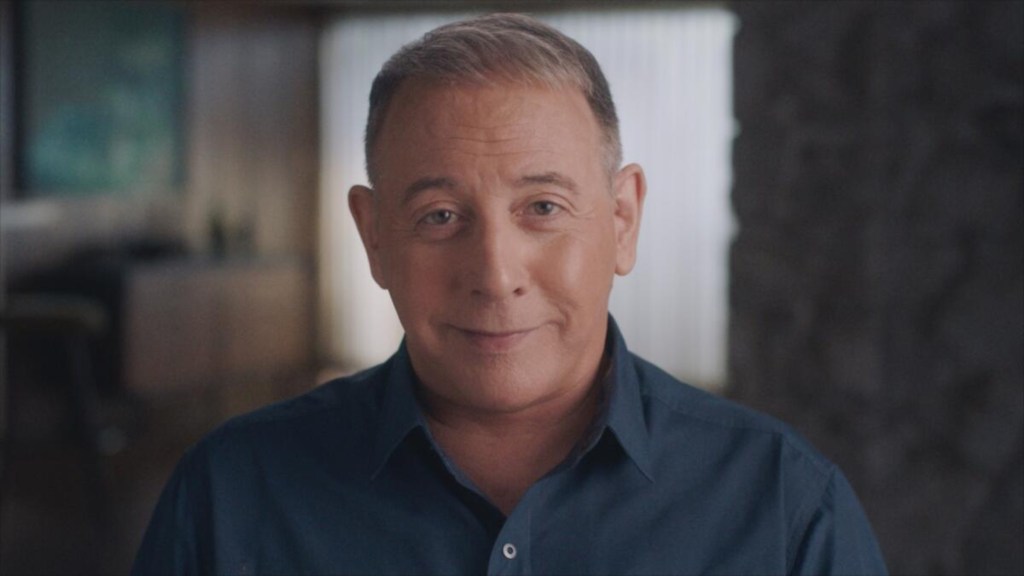
Reubens presented Pee-wee Herman as a real character to the general public, always giving interviews as Pee-wee, and making all his public appearances in full gimmick. As the documentary Pee-wee as Himself would later reveal, Reubens was a closeted gay man, fearful that in the ’80s, he couldn’t be a children’s entertainer if that fact were known. Pee-wee the character appeared straight or asexual, and Reubens was correct in his calculation that parents would consider him safe.
Then he nuked it all by getting busted for indecent exposure in an adult theater in 1991. As he had grown long hair and a beard, he might not have been recognized, but for the fact that he told the cops, “I’m Pee-wee Herman!” It was either an attempt to use his fame to try and escape charges, or a deliberate attempt to destroy a public persona that wreaked havoc on his personal life. Reruns were canceled, parents were unsurprisingly offended, but kids who had grown up on Pee-wee and were now of age to view adult material themselves, sympathized with him. When he appeared as Pee-wee at the MTV Video Music Awards that year, fans cheered.
The Long Road to Return
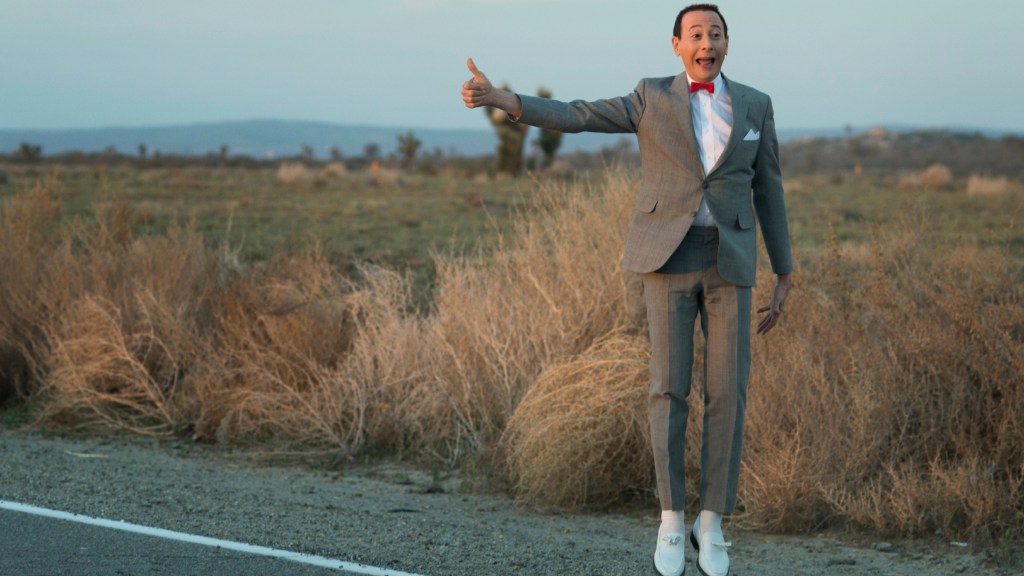
Reubens continued to act, now as himself, in movies like Batman Returns, Buffy the Vampire Slayer, and Mystery Men. Fans, however, always wanted to ask about more Pee-wee. Throughout the ’90s and early aughts, he claimed he was working on two Pee-wee movies — one a kid-friendly film inspired by the Playhouse, and the other a darker story about Pee-wee becoming a celebrity and letting it go to his head. In the meantime, he occasionally made cameos as Pee-wee in other projects.
The dual movie ideas evolved into a 2010 reboot of the original stage show called The Pee-wee Herman Stage Show: The Return, and a 2016 Netflix movie entitled Pee-wee’s Big Holiday, a sort-of sequel to Big Adventure with all-new characters besides himself. With Wonder Showzen‘s John Lee at the helm, it had more of the classic Pee-wee wackiness than Big Top had. By 2023, years of being a heavy smoker — which he kept a hidden habit as Pee-wee, in order to stay a role model to children — caught up with Reubens, and he died of cancer while filming the Pee-wee as Himself documentary. As with much of his personal life, he had kept the illness hidden from the public.
Cult of Personality
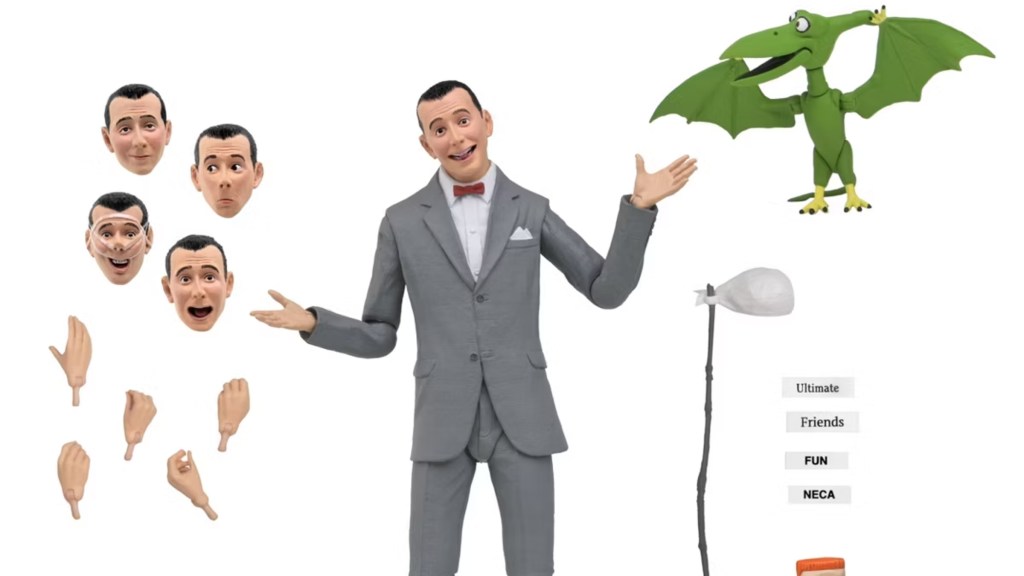
At the height of his personality, Pee-wee Herman sold a lot of merchandise, from ventriloquist dummies to plush Chairry chairs. Today, he still does: NECA recently released several Pee-wee action figures which sold out of retailer shelves promptly. The Criterion Collection recently added Pee-wee’s Big Adventure to its prestige lineup of 4K Blu-rays. Many comedians today, most overtly Chris Rock in his movie Head of State, pay homage to him.
That’s not too shabby for a cult character whose initial premise was that he didn’t know how to be funny. Indeed, his most famous catchphrases are simply repurposed childhood playground taunts, like “I know you are but what am I?” Yet it was the conviction with which he embodied the character that made him connect with audiences — that Muppet-like laugh, and spontaneous amusement at everything. That the character, in most of his media, seemed to alter reality to fit his personality rather than the other way around was a big part of the appeal. In a digital world, Pee-wee’s very strange, very hand-made environments retain a charm that feels like looking into another, more unbound planet.
More TV Shows
-

Courtesy of 20th Television Animation / Hulu