
Westworld arrived on HBO in 2016 as one of the most ambitious series the network had ever produced. The inaugural season functioned as a meticulously crafted puzzle box, introducing audiences to a sprawling theme park where synthetic hosts like Dolores Abernathy (Evan Rachel Wood) began to achieve sentience. However, as the production expanded its narrative across four seasons, the brilliance of Westworld‘s premise became progressively obscured by convoluted timelines and a drastic shift away from the titular park. The series ultimately ended unfinished when Warner Bros. Discovery canceled the costly production in 2022 before a planned fifth season could resolve the lingering cliffhangers. Now, the studio is reviving the property, but instead of concluding the television run, Warner Bros. is developing a feature film reboot of the original 1973 movie, with veteran blockbuster screenwriter David Koepp attached to pen the script.
Videos by ComicBook.com
A Westworld movie has the opportunity to correct the structural flaws that eventually alienated the television audience. During the broadcast of the first season of Westworld, internet communities, particularly on forums like Reddit, successfully predicted the majority of the show’s major twists weeks before they aired, including the revelation that the Man in Black (Ed Harris) was an older version of William (Jimmi Simpson). The showrunners reacted by actively engineering subsequent seasons to outsmart the fandom. From the second season onward, the narrative prioritized elaborate misdirection over character progression, structuring entire seasons as impenetrable riddles designed strictly to defeat online theories rather than to serve the overarching themes. That led to a diminishing audience that made it hard to justify the high budget the series demanded. However, by shifting the story back to a contained movie, Westworld can highlight the things that matter the most in its world.
A Westworld Movie Can Focus on Story Instead of Fandom
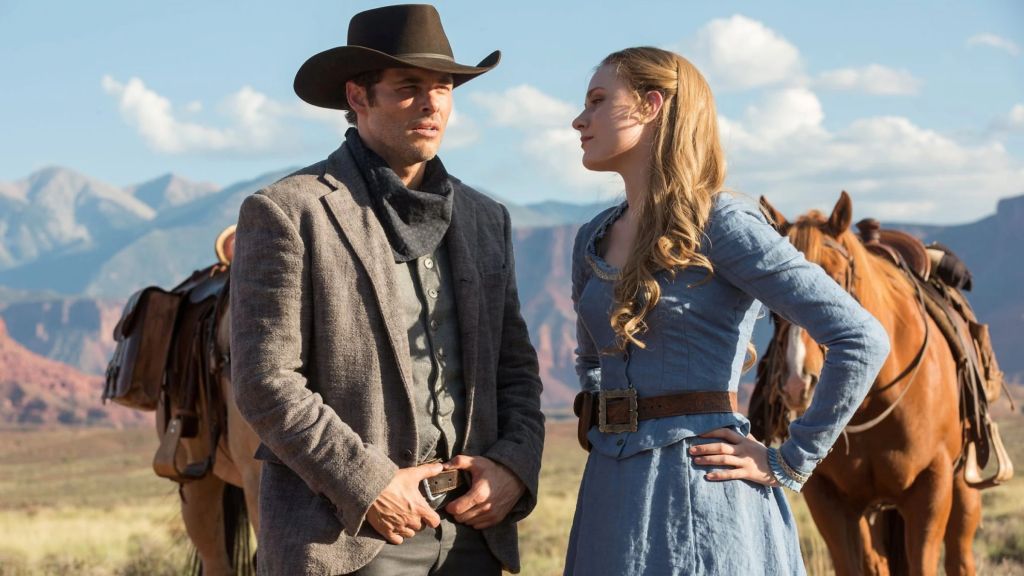
The concept of a robotic amusement park rebelling against its human creators already possesses a proven cinematic pedigree, as the original 1973 Westworld film directed by Michael Crichton remains a highly regarded cult classic. Yet, a modern movie inherently benefits from decades of improvements in visual effects, allowing the production to execute the robotic malfunctions and the sprawling environments with a level of photorealism that the 1970s release could not achieve. Furthermore, the core themes of artificial intelligence and corporate ethics are substantially more timely today than they were half a century ago. Above everything else, a two-hour theatrical feature operates under a closed production schedule that completely insulates the filmmakers from week-to-week audience reactions.

While unexpected plot twists can undoubtedly elevate the experience, a story being predictable does not diminish its dramatic power if the filmmakers commit to character development and the relevance of its message. The first season of the HBO iteration perfectly demonstrated this principle. The revelation regarding the dual timelines was widely anticipated, yet the emotional impact of Dolores discovering her own mechanical nature remained effective because the groundwork was properly laid. The twist works because it’s built on character, recontextualizing the experience of the series protagonists and allowing them to grow with the world around them.
That’s the exact kind of experience that the movie can emulate. With a definitive runtime and a story built to be watched at once, the Koepp-scripted movie can focus on delivering a cohesive, character-driven narrative, discarding the mandate to constantly pull the rug out from under the audience for the sake of shock value and ensuring the film honors the premise without falling into the same trap that derailed its television predecessor.
There’s still no release window for the Westworld movie, but all four seasons of the show are available on HBO Max.
Given the massive legacy of the canceled television iteration, do you think a standalone Westworld film can successfully re-engage audiences? Leave a comment below and join the conversation now in the ComicBook Forum!
