In its nearly 30 years on our screens, South Park has evolved considerably. It helped to pioneer the success of adult animation, delivering dark and irreverent humor packaged in a colorful and seemingly innocent visual style. 29 years of comedic output have seen South Park undergo several shifts since it first began airing, with the show’s tone and general depiction of its characters evolving over time. Across the many seasons of South Park, the show has often examined and depicted elements of modern culture in a humorous way that demands it continue to keep its metaphorical finger on the equally metaphorical pulse in order to maintain its relevance and continue to entertain fans with its social commentary and ridicule.
Videos by ComicBook.com
While some of South Park‘s changes have been controversial, others have been far better received. Some are pretty minor, while others mark huge shifts in the way the show handles certain ideas, stories, or characters, and there are even a few that happened so gradually or quietly that some fans failed to even notice. Regardless of how well they were executed, the following are some of the biggest changes South Park has made over its 29-year run.
4) Cartman Got More (& Then Less) Evil
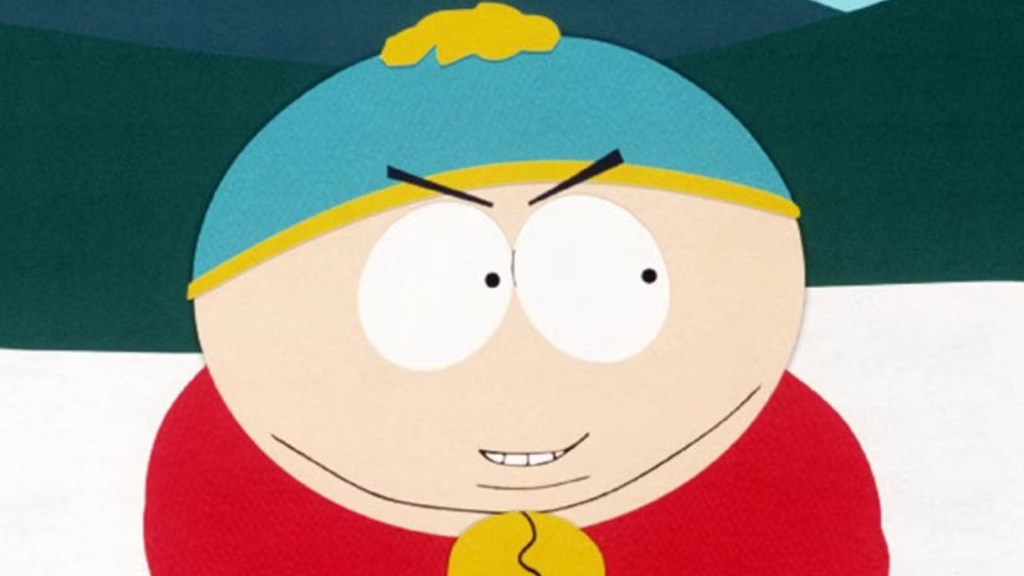
By far one of South Park‘s most controversial characters, Cartman is considered by many to be the backbone of the show’s success. The manipulative and unpleasant member of the core four-character friend group, Cartman’s lack of moral scruples slowly amped up, turning him from a self-absorbed brat that we’ve all encountered in our own lives into a fully-fledged sociopath over the course of the first ten seasons. Cartman’s gradual shift into outright villainy is well-known, but South Park has since changed him again.
Cartman’s evil streak reached its zenith in the show’s middle seasons, with standout moments, such as him murdering Scott Tenorman’s parents and tricking him into cannibalizing their remains, serving as clear evidence of how far the show had taken the character. The years since have seen South Park gradually dial back Cartman’s evil nature, slowly returning him to his less outright evil and more generally unpleasant and self-absorbed roots. As Cartman has remained one of South Park‘s most important characters, the show’s willingness to adapt him has undoubtedly paid off.
3) It Lost Its Small-Town Feel
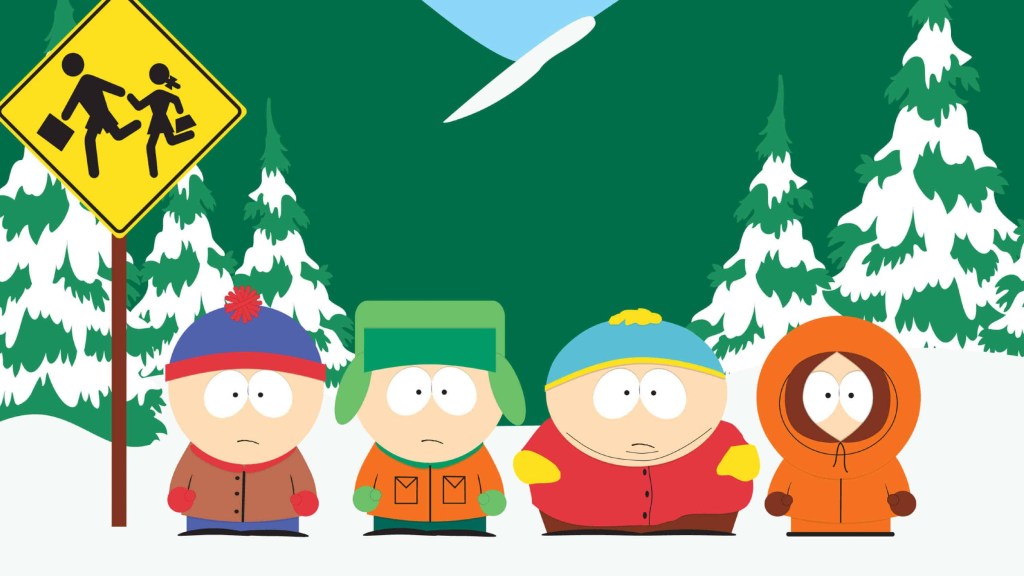
The basic premise of South Park relies on its Colorado location, telling the story of average American boys growing up in a small town. Most of its early stories stay very close to that specific premise, exploring the day-to-day lives and struggles of normal people against the backdrop of bigger issues, such as a grudge match between Jesus and the Devil or Stan coming to terms with his dog being homosexual during a musical boat ride. At its core, it was still very much rooted in the ideals and issues of small-town America, at least, to begin with.
As the years went on and South Park‘s success continued to grow, its focus shifted away from its small-town roots, and the scope of its story got consistently grander. Within a few years, the show saw celebrity guests and potentially world-changing events occur in practically every episode, and the small-town premise of its early years all but vanished. While it’s clear that the show outgrew its original premise, it’s another major change that South Park made over the course of its 29-year run.
2) Episodes Got Much Less Original
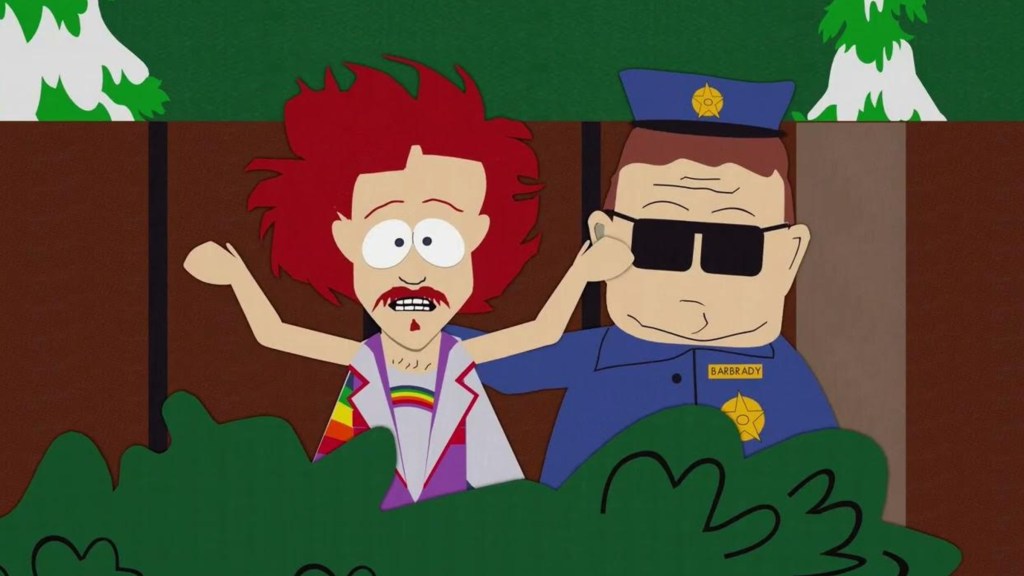
29 years is a long time for any TV show to continue its run, but thanks to its many changes and its willingness to evolve, South Park has endured as one of the most talked-about shows on TV. Many of the best episodes of South Park have proven especially memorable, and while that usually stems from their use of humor, sometimes their better qualities come from a particularly original premise. This was especially true in the earlier seasons, with many episodes telling strange and hilarious original stories.
Later seasons have instead shifted to see almost every episode lampoon or parody some element of modern life or society. While this was also present in earlier episodes, more recent years have increased the show’s focus on parody rather than original stories. The show’s move away from original imaginative premises into more complete satire and parody has helped it stay relevant over the years, and has also allowed it to remain fresh even after almost three decades of storytelling.
1) Kenny Stopped Dying All The Time

Of all the changes that South Park has made over its 29 years on the air, this is perhaps the easiest to overlook. One of South Park‘s longest-running jokes involves Kenny, whose repeated deaths in the show’s early seasons became an iconic part of its humor. The cries of “they killed Kenny!” swiftly became synonymous with the show, and the creative and horrifying ways in which the character was killed seemed to be almost endless.
Eventually, the show moved away from relying on Kenny’s repeated deaths as a source of humor. It was further explored in greater depth as the show went on, and though Kenny’s immortality was given an official canon explanation, South Park stopped killing him at every opportunity. As Kenny’s many deaths are the best-known element of the character, many fans have failed to even register that the show has long since moved away from repeatedly killing him off.
More TV Shows
-
20th Century Studios