By 1997 the Teenage Mutant Ninja Turtles had already been a comic, a cartoon, three movies, a concert tour and an aisle of the toy store, which meant the franchise had reached the stage every successful property eventually reaches, where the people who own it start looking for something to add. Saban Entertainment had the live-action rights and a formula that was printing money, because Power Rangers had taught the company that costumed teenagers, rubber monsters and a Vancouver soundstage could fill a Saturday morning indefinitely. So a new live-action Turtles show was always coming. What arrived with it was a decision that I have now spent most of my life turning over, one that the franchise’s own co-creator later described in language a publicist would need a lie-down after reading, and one that quietly shaped what the Turtles were allowed to be for the next two decades. Three decades later that decision has outlived the series that introduced it, the studio that ordered it and the executive who signed it off.
Videos by ComicBook.com
The show was Ninja Turtles: The Next Mutation, and it premiered on Fox Kids on September 12, 1997, which puts its twenty-ninth anniversary three days behind us. It ran a single season of 26 episodes before disappearing into a rights limbo it has never really escaped, the copyright drifting between owners while the Turtles themselves stayed somewhere else entirely. Most of it was ordinary for the era and ordinary for the studio, from the aged-up Turtles to the Vancouver exteriors to the absence of April O’Neil and Casey Jones, and on that basis it should have faded out of the conversation within a couple of years of its cancellation. It never did fade, because of a single choice made before a frame was shot, and that choice walked into the very first episode wearing a light blue mask. The show added a fifth Turtle, a sister called Venus de Milo, and I have never fully recovered.
The Fifth Turtle Was a Toy Decision Before It Was a Story Decision
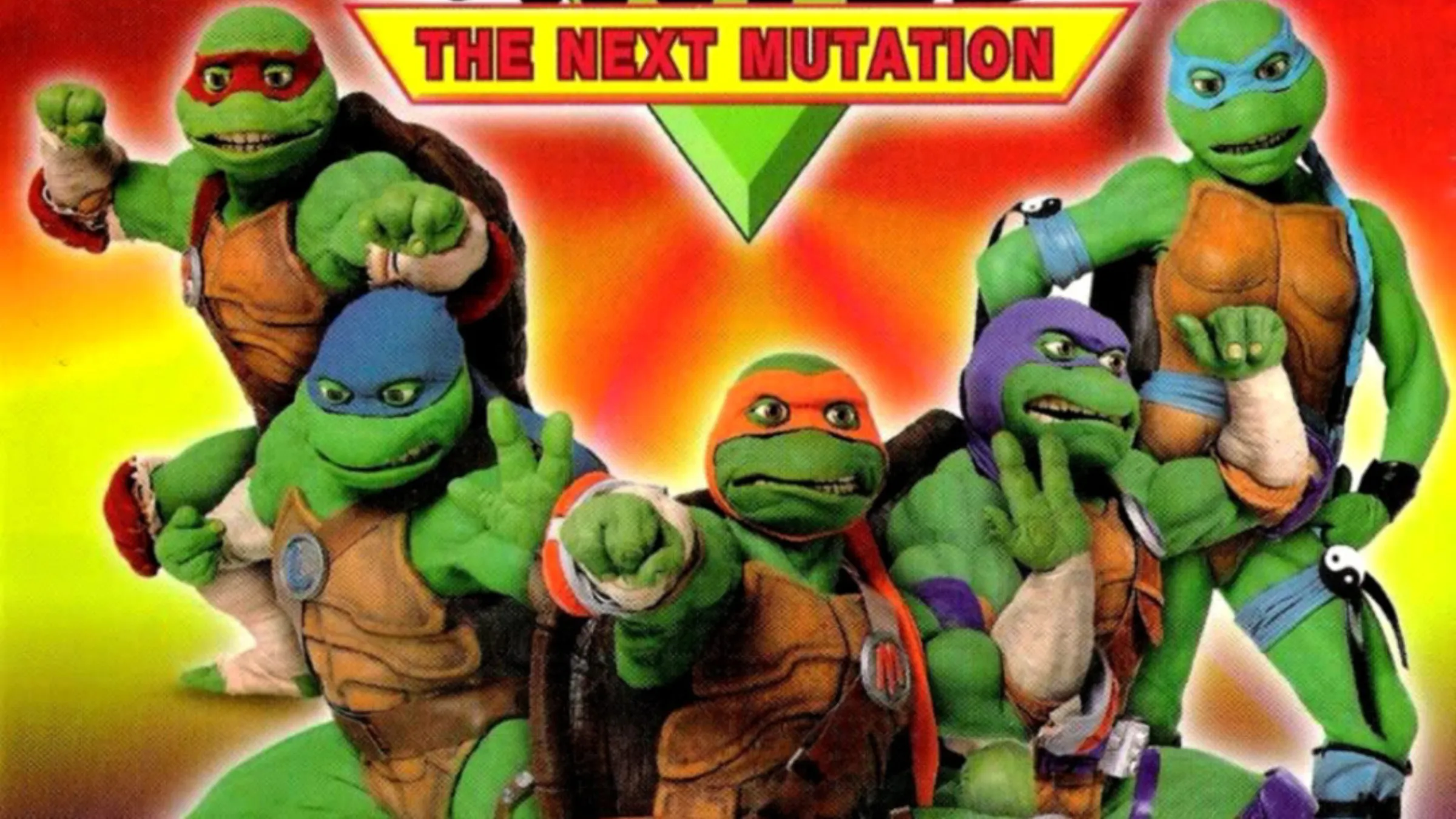
The thing I did not understand as a kid, and that reframes the whole argument now, is that Venus was not really a creative idea at all. Lance H. Robbins, the Saban executive who produced the series, has been refreshingly blunt about where she came from. The company wanted a female action figure, and it wanted to find out whether one would sell. He has described the effort as wanting to put girls into the mix and to test the market for toys aimed at them, and he has summed up the studio he worked for in four words that explain almost everything about the period: everything about Saban was toy-driven.
That origin matters because it inverts the usual complaint. Venus is not what happens when a writer has a bad idea. She is what happens when a business question walks into a writers’ room already answered, and somebody has to reverse-engineer a character around it. The show gave her a separate upbringing in China, a mystical magician mentor named Chung I, a name meaning beautiful turtle of energy, and a set of powers based on shinobi magic rather than the ninjutsu her brothers trained in. Every one of those choices exists to solve the problem of a fifth Turtle who could not simply have been in the sewer the whole time.
Here is the part that complicates my own position, and I would rather raise it than have it raised at me. The fifth Turtle did not start out female, and it did not start out at Saban. The character began as a male Turtle called Kirby, developed for one of the unmade live-action films by Kevin Eastman and Peter Laird themselves. Saban’s contribution was asking that the fifth Turtle be a sister instead. Eastman has said on the record that he likes Venus and that most people do not realise she began life as that fifth male Turtle. So the idea I have spent years being appalled by was, in its original form, partly the co-creators’ own.
Peter Laird’s Own Words Are Harsher Than Anything I Would Write
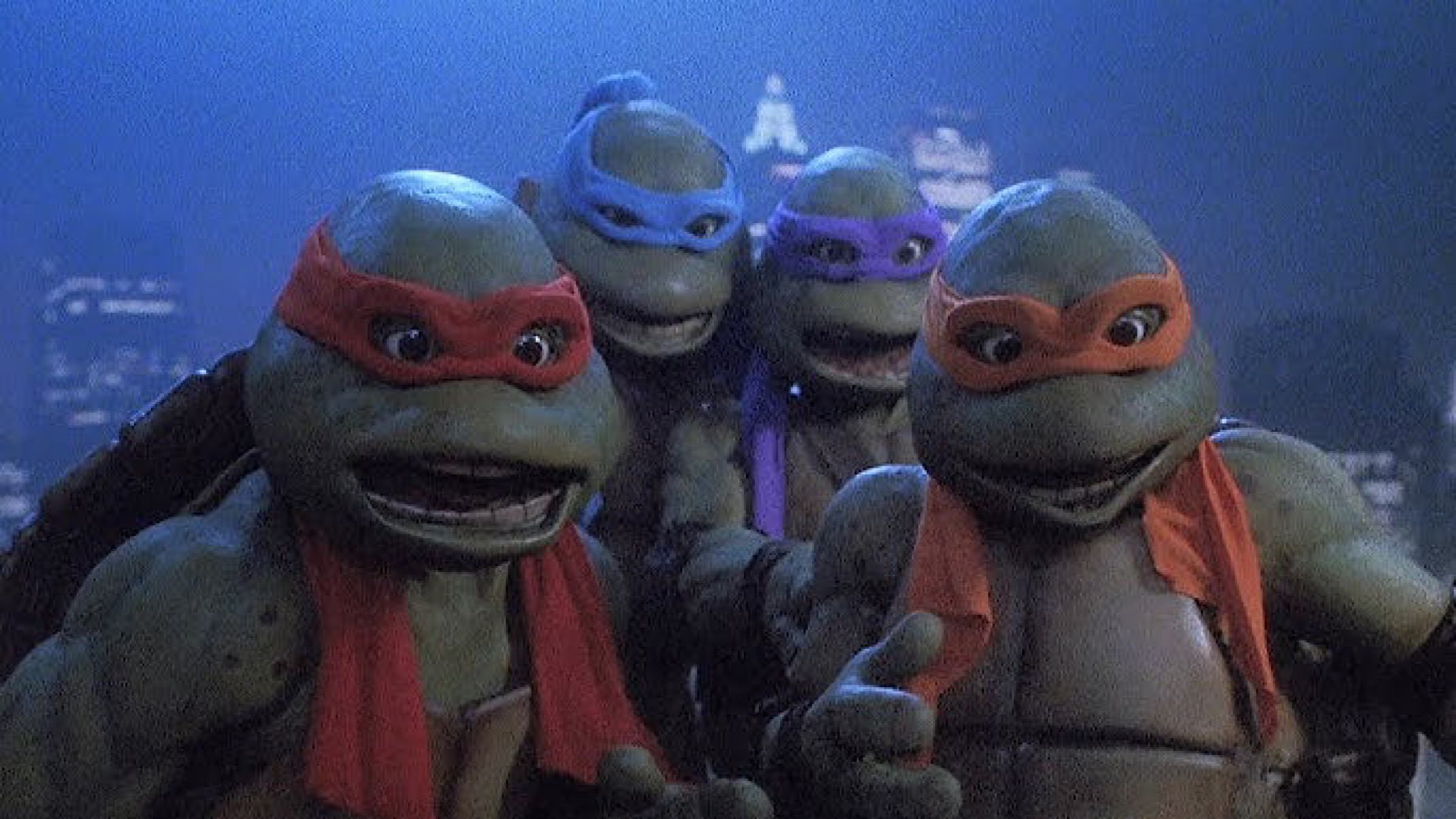
The other co-creator did not take it nearly so well, and he put it in writing on his own blog, where it has sat ever since. Peter Laird has called the entire premise weak, facile and creatively bankrupt, and he has been specific about which premise he means, summarising it as the notion that if four Ninja Turtles are good then five must be better. He has written that it was in large part that thinking which led to the creation of what he called the execrable Venus de Milo character, in a live-action series he described as blessedly short-lived.
He went further in a reader question in 2009. He called the design ludicrous and, in his own words, flat-out idiotic. He said she had the misfortune to be introduced into what was overall a pretty bad show, with some awful writing. And he explained the structural objection underneath the insults, which is the part I actually find persuasive, arguing that four Turtles form an almost perfectly balanced group and that adding to it makes the whole thing awkward and ill-weighted. His question was reasonable even if his adjectives were not. Why stop at five? Once the number is negotiable, he argued, there is no principled place to stop, and the four characters people actually care about get thinner every time somebody adds another.
What happened next is more interesting than any quote. Laird owned the Turtles outright until October 2009, when Mirage sold the global rights to Nickelodeon for $60 million, and across that entire stretch Venus simply did not exist. She is absent from the 2003 animated series, absent from the crossovers, absent from the games. The director of the 2007 animated film has described the creative rules he was handed, and one of them was that there would be absolutely no mention of Venus de Milo, adding that it was not a subject you could even joke about with Laird. Nobody needed to issue a ban. The man held the keys.
What Still Bothers Me Is What the Show Did With Her

My own objection has shifted over the years, and it has moved away from the thing fandom usually fixates on. The design is the easy target, and taking that shot in 2026 tends to say more about the person taking it than about the show. What holds up as a criticism is what the series actually did with the character once it had her, which is that it wrote the only female Turtle, mutated from the same batch of ooze in the same sewer, as a romantic possibility for the four brothers. The show went out of its way to establish that the Turtles were not blood-related in order to make that available.
Robbins himself has acknowledged the problem more directly than I would have expected, noting that he is not sure a character named after a statue famous for its figure could be created the same way in a modern kids’ show. When the producer of a show volunteers that, unprompted and decades later, there is not much left for a writer to add on top of it, and piling on would only prove his point twice over. What I find genuinely uncomfortable is not any single episode but the arithmetic of it, where a character created so that girls would have a Turtle of their own ended up positioned as the prize in a story about four boys.
And yet the impulse underneath was not cynical, which is the part I have had to make room for. Somebody at that company looked at the shelf, noticed there was nothing on it for half the audience, and tried to fix it. The goal was right and the execution was indefensible, and the franchise spent the following quarter century treating the whole attempt as a punchline rather than as a failed first draft. That reaction is not really better than the thing it was reacting to, and it lasted a great deal longer. The show got one season. The joke got twenty-five years.
She Came Back Anyway, and in the Strangest Possible Place
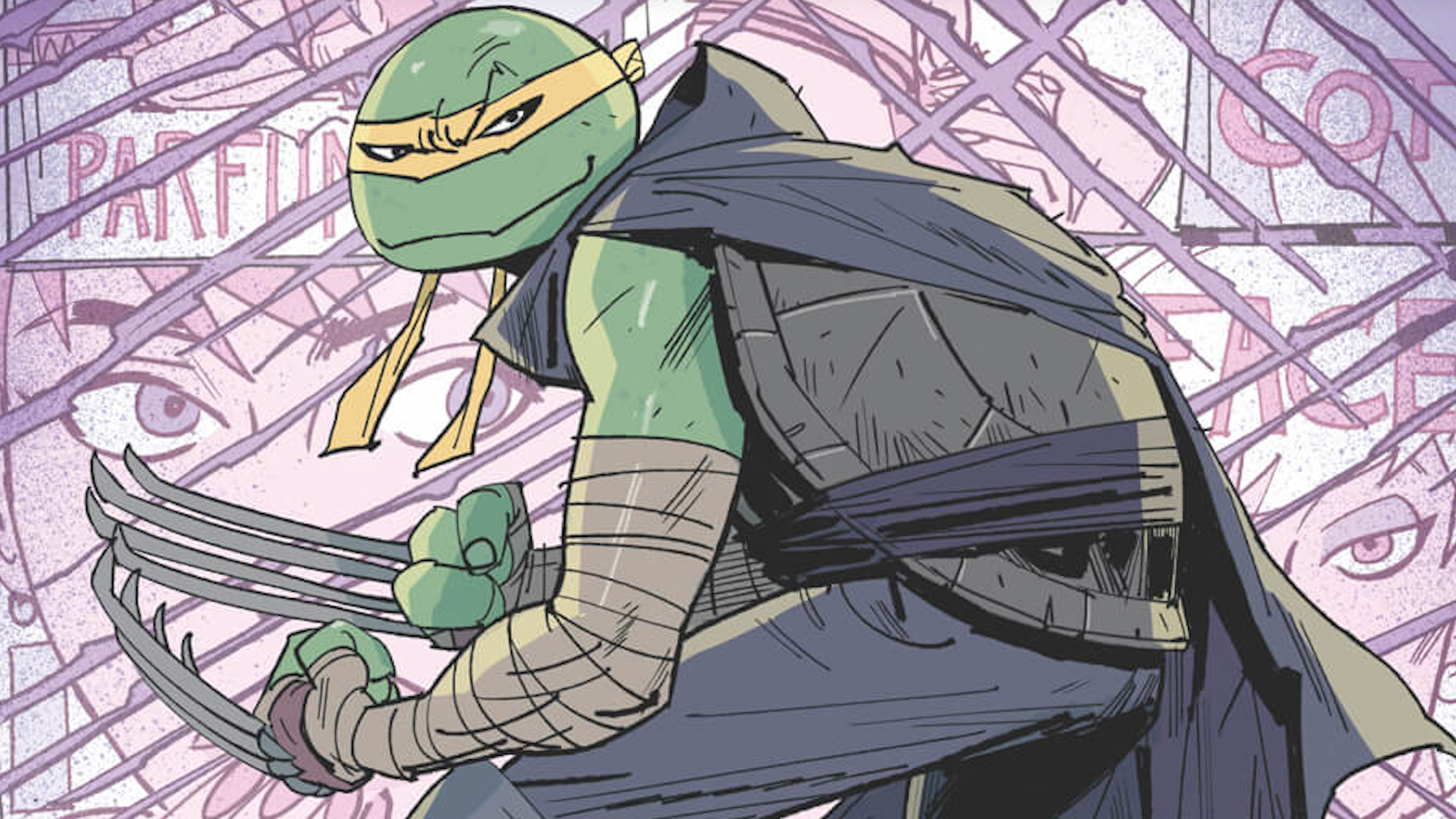
Venus vanished for twenty-four years, and then the industry quietly admitted the goal had been right all along. IDW made Jennika a Turtle in 2019, which read at the time as doing properly what 1997 had done badly. Then in March 2022, writer Sophie Campbell brought Venus herself back in Teenage Mutant Ninja Turtles #127, rebuilt from the ground up as something assembled by a scientist rather than a fifth sibling from the sewer. Campbell said she had been trying to make a Venus comeback happen for a while and could almost not believe it was finally going ahead. That version lasted long enough to matter, and died saving the others.
The Saban version, the actual 1997 one, took longer. She turned up in March 2026 in the fifth issue of Mighty Morphin Power Rangers/Teenage Mutant Ninja Turtles III, which is a sentence worth sitting with for a second. The fifth Turtle that a Power Rangers studio invented to sell toys has come back, decades later, inside a Power Rangers comic. The corporate logic that created her turned out to be the thing that eventually preserved her, which is not the ending anybody would have written for a character invented to move plastic. Hasbro owning the show through its Power Rangers acquisition is the quiet reason any of that is even possible.
There is a neat symmetry there, because the crossover itself is the other thing this show is remembered for. In February 1998 the Turtles appeared across two episodes of Power Rangers in Space, got brainwashed by Astronema, fought the Rangers, snapped out of it during an electrical storm and teamed up against the Quantrons. It happened because both shows belonged to the same studio and one of them needed promoting, which makes it no less fun to watch. It also made the Turtles technically canon to Power Rangers, which is the reason those crossover comics exist at all, and the reason a decision made to fill a toy shelf in 1997 is still generating stories in 2026.
So I remain horrified, and I have made a kind of peace with it. The decision was made for the wrong reasons, executed badly, and defended by nobody who mattered except the co-creator who had helped invent the idea in the first place. It also gave a generation of kids a Turtle who was not a boy, roughly thirty years before the franchise worked out how to do that well. Both of those things are true at the same time, and the second one took me most of those twenty-nine years to be willing to say out loud. Being horrified by something and being glad it happened turn out not to be mutually exclusive.
More TV Shows
-
Image Courtesy of Paramount+ -
Courtesy of The Sci-Fi Channel -

Image Courtesy of Warner Bros