
The X-Files‘ final season is better than you remember. Let’s be clear about which final season we mean, because it is the one nobody defends. Season 9. The one without David Duchovny as a regular. The one where Robert Patrick’s John Doggett and Annabeth Gish’s Monica Reyes ran the X-Files office while Gillian Anderson edged toward the door. The one that finished with a 22% critics score on Rotten Tomatoes, the lowest of any season the show ever produced, before Fox pulled the plug in May 2002. For two decades “Season 9” has been shorthand for the part where it fell apart, lumped in with the incoherent Super Soldier mythology and a finale so poorly regarded that Rolling Stone once called it the worst series finale in television history.
Videos by ComicBook.com
Here is the thing, though. Strip out the mythology and the Duchovny-shaped hole and what is left is a season quietly making some of the most inventive standalone hours the show ever produced. This was where a staff writer named Vince Gilligan did his final work on the series before going off to make Breaking Bad. It is where Chris Carter cast Burt Reynolds as God. It is where Robert Patrick finally got the material he had been owed for two seasons. The reputation was built almost entirely on the arc episodes. The monster-of-the-week episodes were telling a different story the whole time.
5. “Improbable”
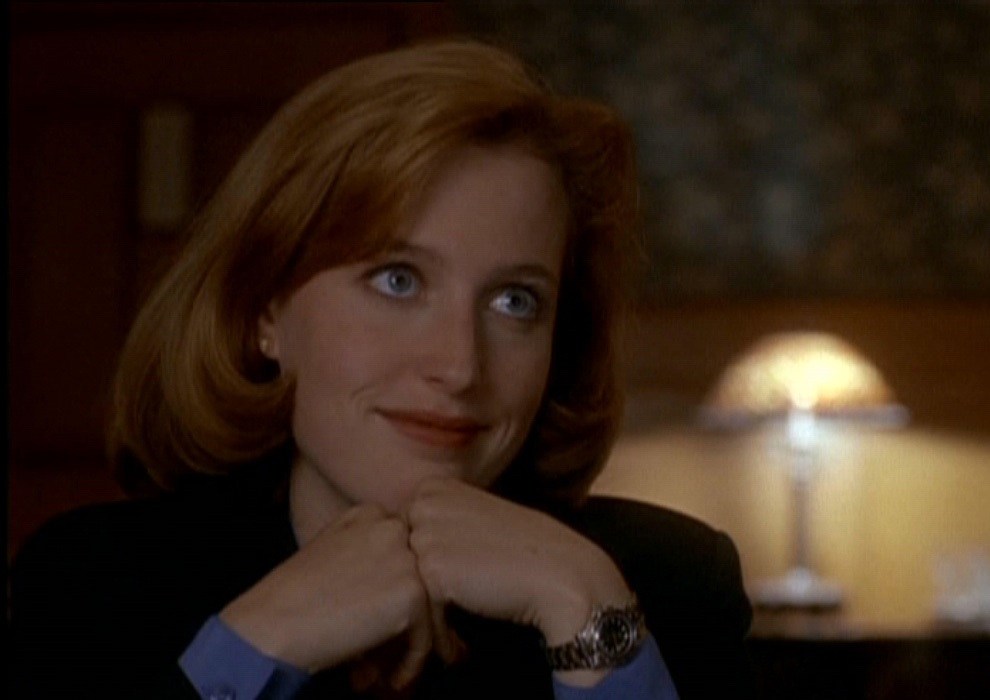
Burt Reynolds plays God. That is not a bit, that is the episode. Chris Carter wrote and directed it, and the case has Reyes and Scully chasing a serial killer who selects his victims by numerological compatibility, while a genial stranger in a Hawaiian shirt keeps turning up to play checkers, deal cards, and nudge them toward a pattern none of them can see yet. He insists that everything is a game with rules. The episode never once confirms who he actually is, mainly because it does not have to be that obvious.
Carter’s explanation for the casting was refreshingly simple. Reynolds was a fan, told Robert Patrick he wanted in, and Carter built an entire metaphysical lark around him. It is goofy in a way the show hardly allowed itself to be. There is a shot of a Los Angeles cityscape rendered as Reynolds’ grinning face. The usual “The Truth Is Out There” tagline gets swapped for “Dio Ti Ama,” Italian for “God loves you.” The whole thing ends with the three of them dancing in a parking garage. Nobody would call it essential television, but a series running on fumes does not cast Burt Reynolds as the almighty and score the finale to accordion music.
4. “Audrey Pauley”

A car crash leaves Reyes brain-dead on a hospital table and simultaneously wide awake in a limbo version of the same building, one that floats in an empty grey void with no doors leading anywhere and a handful of other patients drifting through the corridors. Every so often one of them simply vanishes, meaning their body has given up several floors below. The only person who can reach across is Audrey Pauley, a shy hospital aide with an intellectual disability whom none of the staff ever really look at properly. She can see the in-between place, but nobody believes a word she says about it.
Written by Steven Maeda and directed by Kim Manners, it is a quiet mood piece that rests almost entirely on Annabeth Gish, Robert Patrick, and a genuinely lovely guest turn from Tracey Ellis, and it works because it never once raises its voice. This is the episode people point to when they argue that Doggett and Reyes could carry an emotional hour with Mulder nowhere in sight, and it is the closest Season 9 ever gets to The Outer Limits.
3. “Sunshine Days”
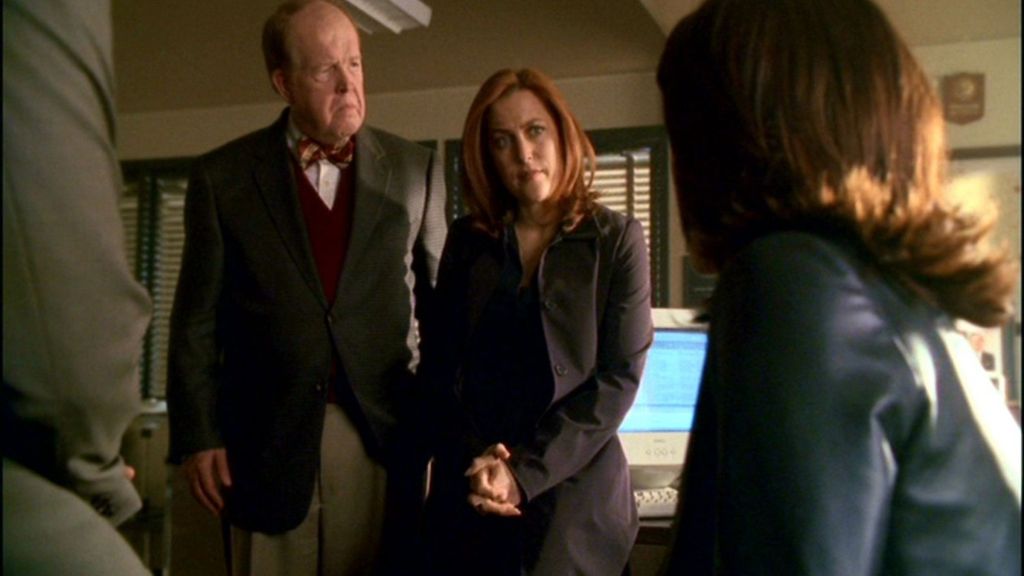
Vince Gilligan’s goodbye to the series, and the show’s 200th episode, which is an unusual amount of weight to hang on an hour this gentle. A lonely man has turned the inside of his house into the Brady Bunch home, floating staircase and all, because he can reshape reality with his mind and that set is the only place he has ever felt safe. Two teenagers break in on a dare and one of them ends up dead, which is how the X-Files get involved. What begins as a gag about a grown man living inside a sitcom turns into something truly sad about nostalgia as a place to disappear to.
The guest casting does a great deal of the work here, with Michael Emerson playing Oliver Martin with an unbearable gentleness years before Lost and Person of Interest made him famous, and David Faustino, Bud Bundy himself, turning up in the teaser. Production had to build the Brady house set from scratch, since the original had long since been dismantled.
Gilligan wrote thirty episodes of The X-Files across nine years and this was the last of them, which makes the ending feel like a statement of intent: Doggett and Scully choose to protect Oliver rather than expose him, a quieter and considerably warmer conclusion than the series would typically permit, and unmistakably the work of the man who was about to go and make Breaking Bad.
2. “John Doe”

Here is the Breaking Bad connection in its purest form, because this is the episode Vince Gilligan wrote and Michelle MacLaren directed, the first time she ever took on one of his scripts, and that partnership would go on to shape Breaking Bad and Game of Thrones as well. Doggett wakes up on a street in a Mexican border town with no wallet, no memory and no idea of what his own name is. He is not investigating anything, because there is nothing left for him to investigate with. He is simply a man trying to work out who he used to be while a cartel takes an unwelcome interest in him, and the only thing still rattling around in his head is a flickering image of a boy he cannot place.
It is sun-blasted, deliberately over-exposed, and obsessed with the question of what survives in a person once everything else has been stripped away, so watching it now feels like finding the blueprint for everything MacLaren and Gilligan would build together over the following decade. It’s also only the second X-Files episode ever directed by a woman, after Gillian Anderson’s “all things.”
1. “Release”
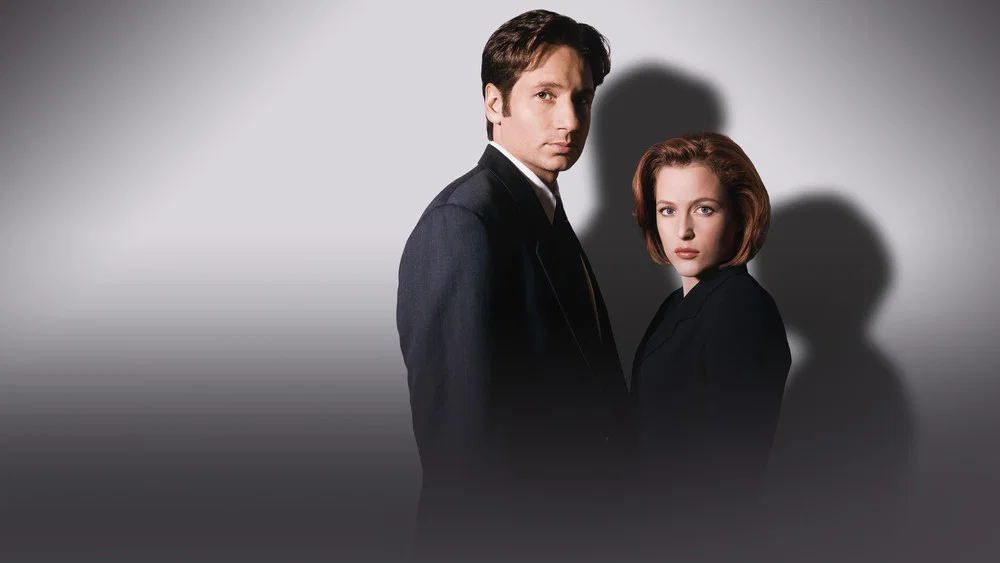
The best episode of the season and it’s not close, which is a strange thing to say about an hour tons of people just skip right over. Kim Manners directed it from a David Amann teleplay, and it finally resolves the murder of Doggett’s young son Luke, the wound the character had been dragging behind him since he first showed up in Season 8. A gifted FBI cadet with an uncanny read on cold cases points him toward the truth, and what he eventually finds is smaller and more ordinary than a man carrying that much grief wants it to be.
Robert Patrick does the best work of his entire run here, and the episode gives him room that Season 9 hardly gave anyone, while Cary Elwes’ corrupt Brad Follmer finally earns a little tragic dimension on his way out of the series. Mark Snow wrote an original orchestral score that sounds nothing like the show’s usual electronic palette, and cinematographer Bill Roe picked up an ASC Award nomination for the way he shot it. The closing scene, with Doggett and his ex-wife scattering Luke’s ashes into the ocean, is the emotional payoff the character had been owed for two solid seasons, and it aired to almost nobody in a season where everyone had already written it off. If you only watch one episode to test this argument, make it this one.
The truth was out there the whole time. It just was not in the mythology. All eleven seasons stream on Hulu, where Ryan Coogler’s reboot pilot has finished filming and is waiting on a series order. Patrick does not expect Doggett to turn up in it, and he is probably right. But he told ComicBook something worth sitting with: “John Doggett is my favorite character I have ever played. I loved being a leading man. I loved that experience.” Twenty-four years later, the man at the center of television’s most dismissed season still counts it as the best work he ever got. Season 9 was never the disaster. People just stopped watching before it got good.
More TV Shows
-

Bass X Machina S1. Brian Tyree Henry as Bass Reeves in Bass X Machina S1. Cr. Courtesy of Netflix © 2026 -
Courtesy of Netflix -

Courtesy of Paramount+


![MCU Fans Can’t Believe VisionQuest Just Killed [SPOILER] in the First Two Episodes](https://comicbook.com/wp-content/uploads/sites/4/2026/09/visionquest.jpg?w=300)
