When tuning into Doctor Who, audiences know what to expect. From the show’s very first episode “An Unearthly Child” back in 1963, there was the Doctor, his companions ranging in attitudes and cultures, and the TARDIS, a time travel machine that can take the plot to any place in time and to any location in the universe. In their hand, there will inevitably be their sonic screwdriver.
Videos by ComicBook.com
Yet, the show manages to subvert expectations and reinvent itself. The status quo set by the 2005 revival established the Doctor as the sole survivor from the planet Gallifrey. Gallifrey was destroyed in the Time War between Gallifreyans and the Daleks, a conflict that destroyed both species. Of course, the show would reveal the Daleks survived the Time War, and even later that Time Lords did too.
Still, some episodes stand out over others in rewriting the rules of the longstanding show.
5. “Human Nature / Family of Blood”

The two part episode by Charles Palmer sent The Doctor (David Tennant) and his companion Martha Jones (Freema Agyeman) undercover in 1913. Undercover was nothing new to Doctor Who, but usually the Doctor retained knowledge of who he was. In “Human Nature”, however, the Doctor believes himself to be John Smith, keeping his real memories in a fob watch.
The two parter as a whole doesn’t make a lot of sense. The Doctor needed to go undercover to escape the Family of Blood, giving up his memory in order to hide himself. Yet, in the end of “Family of Blood”, he’s able to defeat his enemies with ease. For the most part, the episodes can be written off, a strange homage to the 1995 Doctor Who novel Human Nature.
Yet, the fob watch memory plot is important, resurfacing later in the season when the Doctor comes across a man with a similar contraption in the episode “Utopia”. That man is revealed to be the Master, the Doctor’s longtime frenemy and the season’s villain. Thus, the episodes cannot be discarded completely.
4. “The Time of the Doctor”
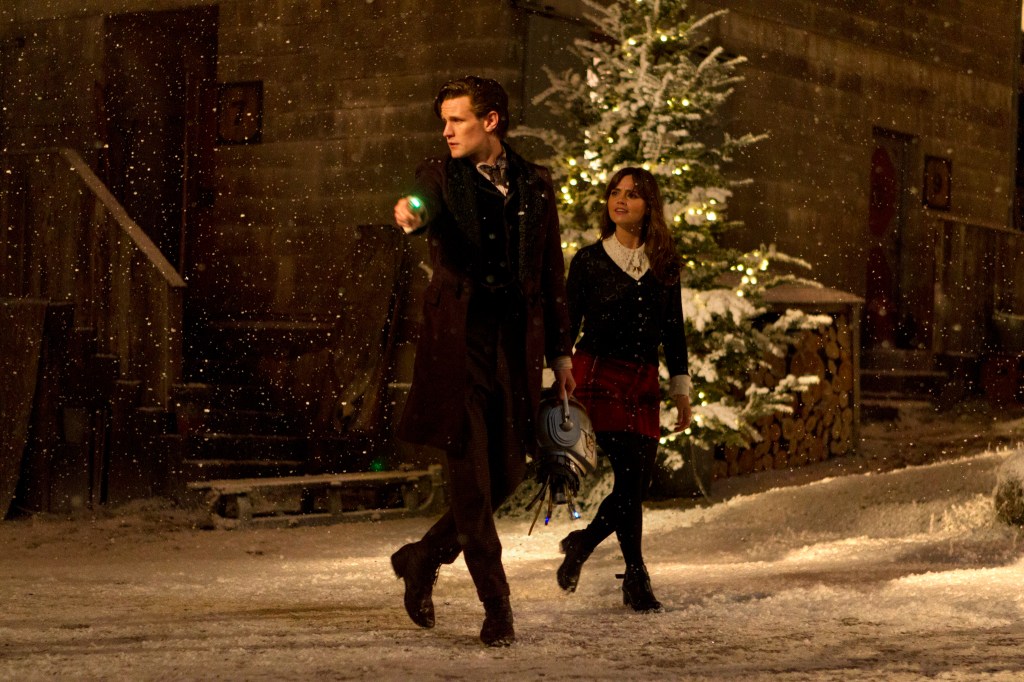
Doctor Who argued for most of its run that the Doctor would die. The ability to regenerate gives them more time than humans but it’d been established that this ability had limits.
In “The Time of the Doctor”, the 2013 Christmas special and the conclusion to Matt Smith’s run as the Doctor, the Doctor believes their time is finally up. With the series’ earlier reveal of The War Doctor (John Hurt), the twelve regeneration limit had been fulfilled. The Doctor, while on Trenzalore, prepared for death in a stalemate against their enemies. It is only when Clara (Jenna Coleman) is brought back to the planet and manages to speak to the Time Lords that the Doctor’s fate is changed.
The Time Lords agree to grant the Doctor future regenerations and with this power, the Doctor regenerates into their next reincarnation, allowing the show to go on. The Doctor’s capacity for regeneration and their relationship to the Time Lords would be further developed in later seasons.
3. The Power of the Doctor”

By 2022, it had been well established that the Doctor could regenerate. So, to rewrite the rules, the show posed the question whether a regeneration could be undone.
In “The Power of the Doctor”, the Master (Sacha Dhawan) not only forces the Doctor (Jodie Whittaker) to regenerate but has ensured that the Doctor’s regeneration will turn them into the Master. Given the danger this represents for the universe, and how the Doctor always seems to have plans for everything, an AI program made by the Doctor instructs their previous companions on how to stop the Master. As part of taking down the Master, they force the CyberMasters to regenerate — hybrids between Cybermen and the Master — and siphon that regeneration energy to undo the Doctor’s latest regeneration.
Of course, this reversal doesn’t last. In his last act, the Master mortally wounds the Doctor, spurring another regeneration, but at least not into the Master again. This convoluted plot hasn’t shown up again, so the question of undoing regenerations hasn’t been brought up despite how new it felt and the mostly positive response the episode got from critics.
2. “The Giggle”
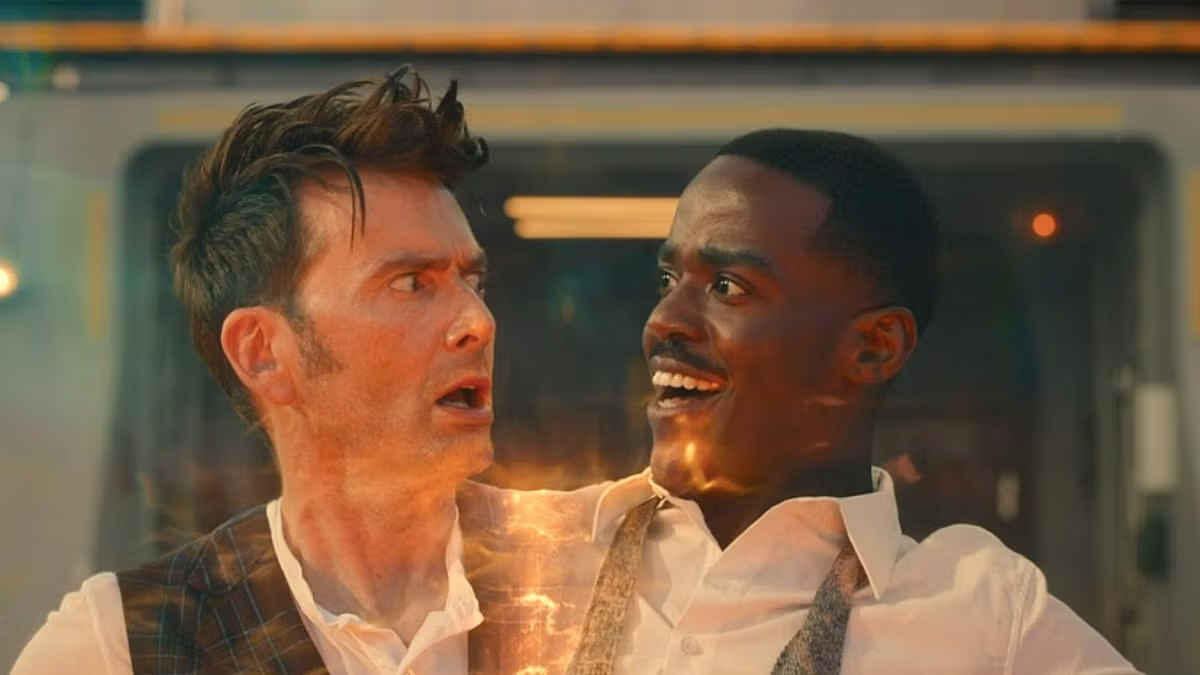
For Doctor Who’s 60th Anniversary, the BBC aired three anniversary specials bringing back David Tennant and Catherine Tate. The last of these three specials was called “The Giggle” and was one of the most controversial changes to Doctor Who lore in recent years.
During a battle with that episode’s villain the Toymaker (Neil Patrick Harris), the Doctor is injured and spurred to regenerate. However, instead of the typical regeneration process that the show has shown over and over again, the Doctor chooses to “bigenerate”. Through this bigeneration, two doctors are able to exist at the same time without the convoluted time travel usually required for such a feat. With the two Doctors existing at simultaneously, the new Doctor (Ncuti Gatwa) creates their own Tardis and sets out on adventures while Tennant’s Doctor chooses to stay in one place with Tate’s character Donna Noble.
Despite the polarizing response to this addition in the lore, “The Giggle” wouldn’t be the last of bigeneration. In Series 15, a mid-credits sequence during “The Interstellar Song Contest” showed the revival of mystery character Mrs. Flood. Once revived, Mrs. Flood bigenerates with her new self revealed to be the Rani, a villain from Classic Doctor Who. While bigeneration in “The Giggle” had two selves meeting for the first time, “The Interstellar Song Contest” has a power dynamic between Mrs. Flood and the Rani, suggesting a prior history that doesn’t make sense.
Bigeneration has not reappeared since then, given Doctor Who’s current uncertainty, but it is a possibility for whenever the show returns.
1. “The Timeless Children”
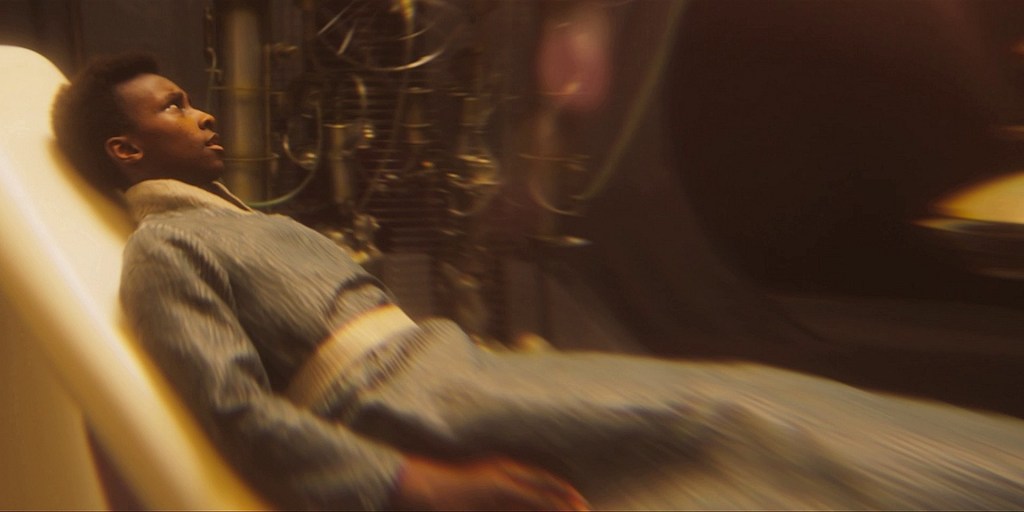
You cannot talk about Doctor Who episodes that rewrote the rules of the show without talking about “The Timeless Children”, an episode which many fans hated.
“The Timeless Children” changed the basis of everything audiences knew about the Doctor and what the Doctor knew about themselves. Shown a secret history of Gallifrey by the Master, the Doctor finds out about a “timeless child” with the ability to regenerate infinitely. This child is adopted and then experimented on until Tecteun, the explorer who found them, is able to duplicate the ability. From this duplication, Tecteun not only creates the Time Lords but she limits the child (aka The Doctor) to twelve regenerations, showing a new reason for the rule the show had lived by for decades. The Doctor is then drafted into the space organization the Division where their memories were erased.
This episode revamped the Doctor’s history and through revealed memories added more Doctors than the show previously accounted for. It helped weave the Fugitive Doctor into the Doctor’s history while still leaving many of the questions from “Fugitive of the Judoon” open for further exploration.
What did you think of the “The Timeless Children”? What Doctor Who episodes would make the list for you? Comment below!
More TV Shows
-
Image Courtesy of DC Comics