Even the most celebrated fantasy sagas often struggle with consistency across their multi-season arcs. For instance, critical darlings like Merlin initially captured audiences with their charm but eventually struggled to maintain coherent storytelling as character development became inconsistent. Meanwhile, the massive cultural phenomenon Game of Thrones is frequently cited as a prominent example of how a fantasy series can decline in its final stretch. Other notable examples include The Witcher and American Gods, both of which saw significant drops in audience satisfaction as they moved away from their established foundations. These TV shows underline that sustaining a high level of quality in the fantasy genre is an immense creative challenge that many showrunners cannot overcome as the scope of their worlds expands and the stakes grow increasingly complex.
Videos by ComicBook.com
Finding a series that actually improves as it progresses is a rare occurrence that requires a perfect alignment of writing, production value, and audience feedback. Some shows find their footing after a challenging first season by narrowing their focus or leaning into more serialized elements that reward long-term viewership. Others benefit from a pre-planned narrative structure that allows the tension and world-building to escalate naturally over several years.
5) The Wheel of Time
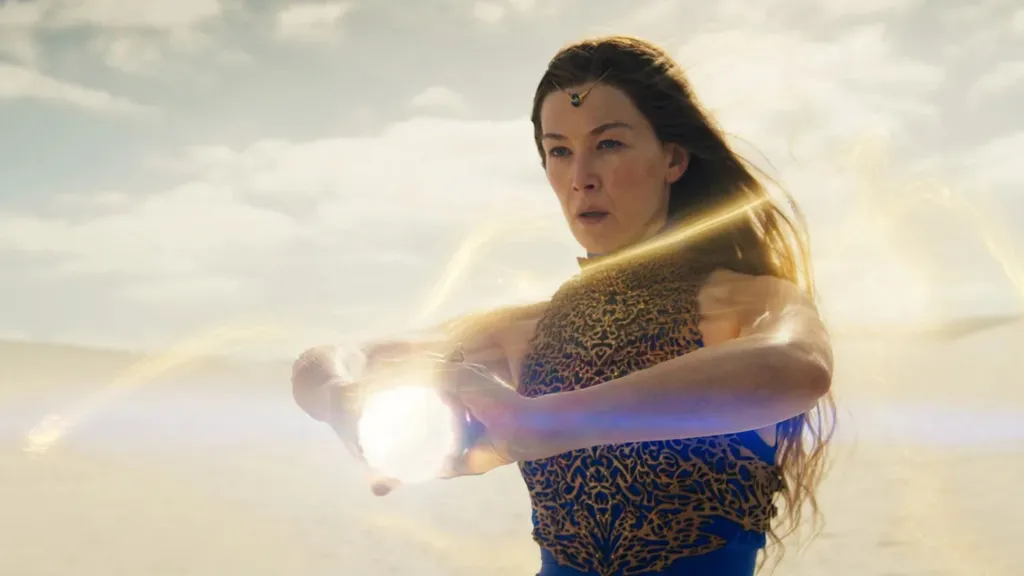
The first season of The Wheel of Time faced significant criticism for its compressed timeline and departures from the source material, but the subsequent seasons demonstrated a marked improvement in both pacing and visual effects. For starters, showrunner Rafe Judkins used the second season to deepen the individual arcs of the core ensemble, particularly for Rand al’Thor (Josha Stradowski) and Egwene al’Vere (Madeleine Madden). By the time the third season premiered, the production had fully embraced the darker tones of Robert Jordan’s fourth novel. This shift allowed The Wheel of Time to move beyond the generic tropes of its debut and explore the complex cultural dynamics of the Aiel and the Sea Folk. In addition, the increased budget for set pieces in Tanchico and Rhuidean provided a cinematic scale that the initial episodes lacked. Sadly, the show got cancelled too soon, and the third season ended up being its last.

4) Amphibia
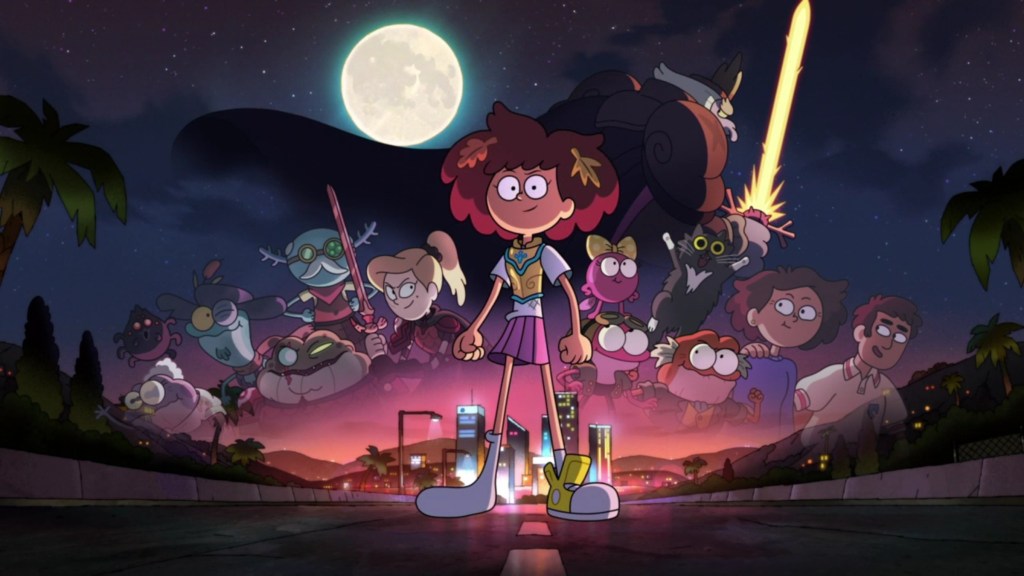
Amphibia began as a largely episodic comedy focused on the fish-out-of-water experiences of Anne Boonchuy (voiced by Brenda Song) in a world of frogs, but it evolved into a high-stakes epic with significant emotional weight. While the first season established the charm of the Plantar family, it was the second season that fundamentally changed the trajectory of the series by introducing the city of Newtopia and the villainous King Andrias (voiced by Keith David). After that, the narrative transitioned from low-stakes swamp adventures to a sprawling war for the fate of multiple worlds. This growth was anchored by the deteriorating friendship between Anne and her human peers, Sasha Waybright (voiced by Anna Akana) and Marcy Wu (voiced by Haley Tju). Each season of Amphibia felt like a necessary escalation of the previous one, culminating in a finale that provided a definitive and bittersweet conclusion to the character arcs.
3) She-Ra and the Princesses of Power

The reboot of She-Ra and the Princesses of Power initially drew skepticism for its visual style, but it quickly proved to be one of the most sophisticated character studies in modern animation. The first season focused on the Rebellion’s struggle against the Horde, but the writing became increasingly nuanced as the seasons progressed. As a result, the central conflict between Adora (voiced by Aimee Carrero) and Catra (voiced by AJ Michalka) transformed from a simple hero-villain dynamic into a tragic exploration of trauma and codependency. By the final seasons of She-Ra and the Princesses of Power, showrunner ND Stevenson had successfully shifted the stakes from local skirmishes to a galactic war against Horde Prime (voiced by Keston John). The animation quality also improved significantly as the series gained momentum, allowing for more fluid action sequences and expressive character work.
2) Gravity Falls

Gravity Falls stands as a unique example of a series that benefited from a strictly planned two-season structure that allowed the mystery to deepen without overstaying its welcome. The first season utilized a “monster of the week” format to ground the audience in the town’s eccentricities, but it constantly hid clues in the background that pointed toward a larger conspiracy. The second season accelerated the plot drastically after the reveal of the author of the journals, Stanford Pines (voiced by JK Simmons). This shift changed the show from a lighthearted summer adventure into a tense supernatural thriller, as the villainous Bill Cipher (voiced by Alex Hirsch) evolved from a minor nuisance into a terrifying existential threat. The production value also saw a massive surge in the final episodes, specifically during the “Weirdmageddon” arc, which featured some of the most creative and disturbing visuals in Disney’s television history.
1) Avatar: The Last Airbender
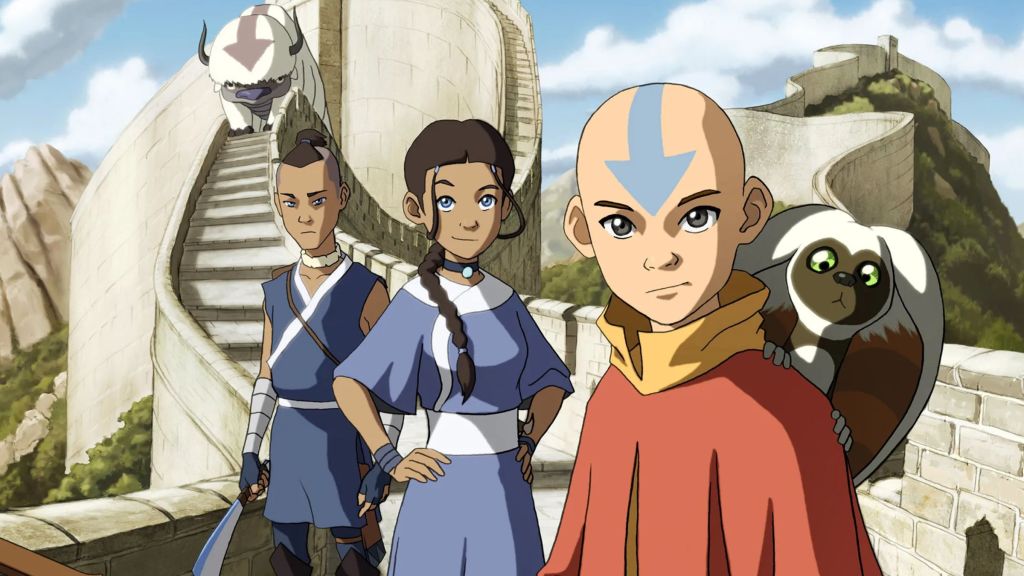
Avatar: The Last Airbender remains the gold standard for fantasy storytelling that matures alongside its audience. The first book, while strong, occasionally relied on juvenile humor and self-contained filler episodes as Aang (voiced by Zach Tyler Eisen) learned the basics of waterbending. However, the second book significantly raised the bar by introducing Toph Beifong (voiced by Jessie Flower) and the impenetrable city of Ba Sing Se. The storytelling also became more serialized and political, exploring themes of brainwashing and the systemic consequences of a century-long war. The third book pushed the animation and choreography to their limits, culminating in the four-part finale that resolved years of character development. On top of everything, Prince Zuko (voiced by Dante Basco) underwent a transformation that is still cited by critics as one of the most well-executed redemption arcs in television history. Avatar: The Last Airbender never faltered in its commitment to world-building and spiritual depth, ensuring that the finale felt like the inevitable and earned conclusion to a perfect three-act structure.
Which fantasy Tv show do you feel only improved as seasons went by? Leave a comment below and join the conversation now in the ComicBook Forum!
Most Viewed
-

Official art by Bastien Lecouffe-Deharme -
Image courtesy of Tor Books/Macmillan -

A photo of the Retrovolt Arcade taken in 2017, showing several classic arcade cabinets and stools.