Today marks the end of an era for Shonen anime, and we already have an idea of what the genre’s future will look like. The late ’90s and early 2000s popularized Shonen worldwide, thanks to series like Dragon Ball Z, Naruto, Bleach, and One Piece — all of which remain massive and are continuing their legacies in some capacity to this day. However, Shonen is ever-changing, with newer titles reshaping what it looks like throughout the 2010s and 2020s. While the category’s appeal is still its epic action sequences and the relationships between its characters, its approach to telling stories is evolving.
Videos by ComicBook.com
Modern Shonen is less reliant on the tropes that defined previous hits, and its pacing prioritizes plot over prolonging the action (not to mention there’s far less filler). It also tends to welcome complexity when shaping its heroes and villains. This paints a more realistic picture of newer series’ worlds and the characters who inhabit them. It also enables Shonen to dig into real-world issues in compelling ways, making it more relatable for viewers. And one of the biggest new-generation anime to contribute to this shift is taking its final bow today. After nine years on air and eight seasons, it’s bittersweet saying goodbye. And it feels like, when we look back on this moment years from now, we’ll see it as a larger turning point for the category.
My Hero Academia’s Ending Marks the End of an Era for Shonen Anime
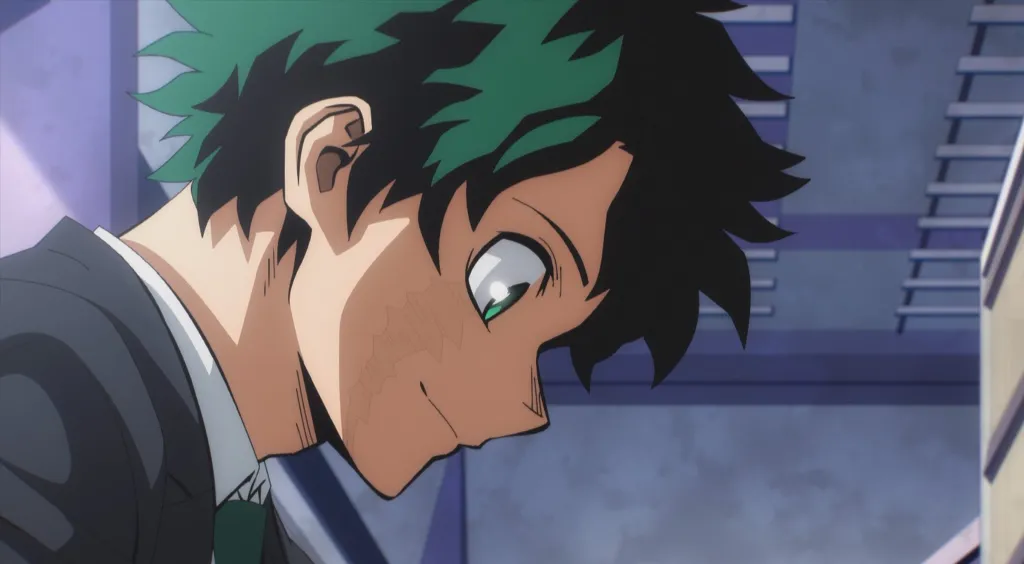
My Hero Academia‘s final episode aired on December 13, bringing Izuku Midoriya’s quest to become the number one hero to an end at long last. That journey started back in 2016, when the adaptation of Kohei Horikoshi’s hit manga first debuted — and from the beginning, it was obvious the anime would become an instant classic. My Hero Academia had many of the strengths that contributed to the success of anime’s “Big Three.” It followed an underdog main character, put an emphasis on teamwork and good winning out, and saw its lead physically powering up season after season. (Naturally, this meant plenty of incredible training montages and action moments throughout.)
The series also set itself apart from its predecessors pretty quickly, its commitment to subverting Shonen’s most popular tropes mirroring the manga’s. The balance between upholding Shonen’s traditional values and challenging them made My Hero Academia a bridge of sorts between the beloved anime of the early 2000s and the current roster of offerings throughout the late 2010s and early 2020s. With it no longer on the air — and several series like it also ending — we can expect the latter to usher in a new era of Shonen as we get into the back half of the decade.
How My Hero Academia Helped Shape Shonen in the 2010s & 2020s
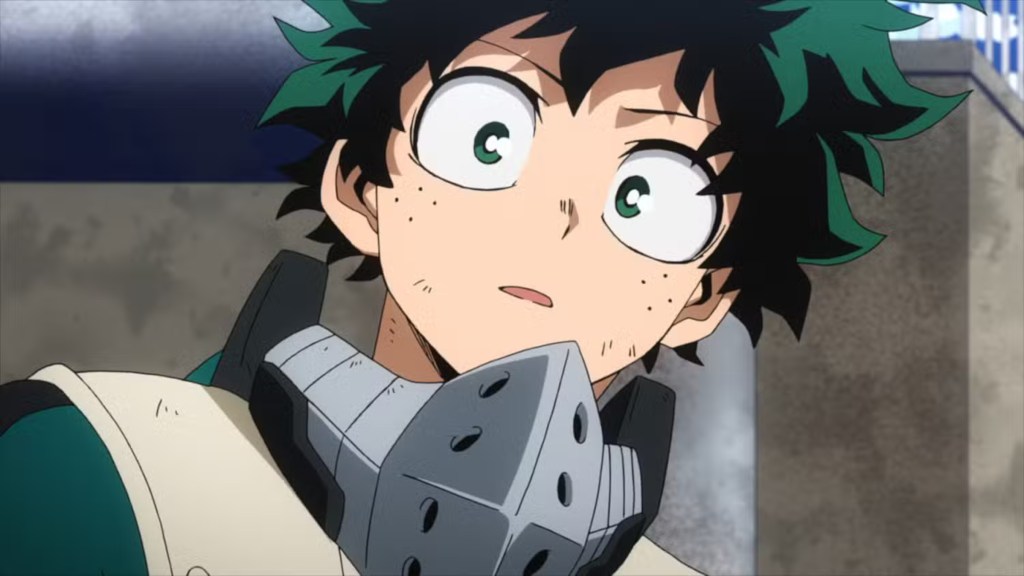
My Hero Academia helped reshape Shonen in a lot of ways, the most obvious being its willingness to embrace a messier world than many of its predecessors. Although Shonen heroes have never been perfect, My Hero Academia really digs into what that means for their growth and for the people around them. The best example is its portrayal of the Pro Heroes, who we come to realize don’t have it any more together than the kids they’re mentoring — and, in many ways, are actually more flawed. Of course, the kids have their own hang-ups preventing them from reaching their potential. The series’ conversations about winning and saving prove that determination and physical prowess aren’t all that’s required to be a Shonen hero; self-reflection and balance are also a must.
Additionally, My Hero Academia takes a refreshing approach to its villains. It goes out of its way to humanize them, and to explore how society’s faults contribute to their actions. However, it never pushes them to join the heroes the way so many older series do. This is something Demon Slayer succeeds at, too, highlighting that this is a larger shift for Shonen. And of course, these newer series don’t shy away from the very real aftermath of their biggest battles. As My Hero Academia‘s ending proves, the injuries and losses obtained during these conflicts aren’t always reversible. The anime still has its share of conveniences (we’re looking at you, Mirio), but the finality in its concluding chapters embraces a realism that’s becoming increasingly common in new-gen series.
What the Future of Shonen Anime Looks Like Heading Into the Late 2020s
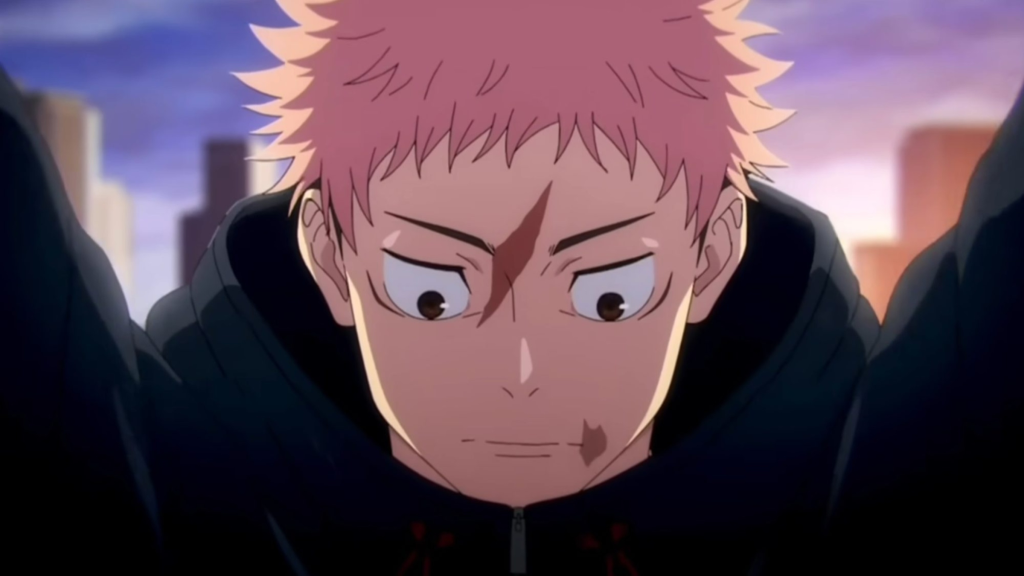
As we bid farewell to My Hero Academia and welcome the late 2020s, we can expect to see Shonen get even darker and more mature; that shift has already been happening over the last few years. Taking My Hero Academia and Demon Slayer out of the equation, some of the biggest Shonen anime that are ongoing are Jujutsu Kaisen, Chainsaw Man, and Solo Leveling — all of which play up the horror elements of Demon Slayer but without the same level of optimism. Sure, friendship and doing what’s right is still important, but the heroes in these stories can lose in spite of those things. The characters also feel more jaded and fallible; they may have great responsibility hoisted upon them, but it’s rarely something they seek out or their primary motivation.
Even My Hero Academia‘s next chapter — the anime’s legacy continues in the form of its Vigilantes spinoff series, which is approaching Season 2 — feels more grim and grown-up than the original story. That’s perhaps reflective of the times, but it also highlights Shonen’s shift towards this type of storytelling. That change feels more official than ever now that My Hero Academia‘s eighth and final season is in the books. It’s both exciting and a bit sad, but the series’ impact will be felt long after its series finale.
What do you think? Leave a comment below and join the conversation now in the ComicBook Forum!
More Anime
-

Courtesy of Kodansha -

Courtesy of Yokohama Animation Laboratory -
Courtesy of Studio Bind -
Courtesy of Toei Animation -
Courtesy of Adult Swim -

Courtesy of Akita Shonen -
Image Courtesy of Toei Animation