Anime and a good plot twist go together like peanut butter and jelly. At the same time, anime fans are no strangers to controversy, and every last one of us is well aware that twists can be hard to pull off. A good twist will uplift the story and make sense in hindsight, causing things to link together or pushing the work to another level entirely with new layers. Unfortunately, there are way more bad twists than good.
Videos by ComicBook.com
In fact, bad twists are a dime a dozen; that’s why they come in so many shapes and sizes. Sometimes, a twist has a good idea at its core, but the execution is rushed, lackluster, or simply confusing. Other times, the twist comes out of nowhere, blindsiding viewers with a completely unnecessary (and often unhelpful) layer of narrative complexity. Still more twists might flatten characters or open up gaping plot holes as writers try to outsmart themselves. We’ve brought you examples of each on this mammoth list covering a diverse spectrum ranging from major shonen franchises to cult classics and niche OVA releases.
Warning: This article is spoiler-heavy by nature. Spoilers ahead for Attack on Titan, Bleach, Code Geass, Darling in the FranXX, Death Note, Erased, Mars of Destruction, Naruto Shippuden, and Usagi Drop.
10) Attack on Titan’s Nonsensical Matricide

Attack on Titan’s ending brought a handful of controversial moments, but none were mocked by fans like creator Isayama’s decision to have Eren be the one who killed his own mother. In Attack on Titan’s final part, a mind-bending time-travel-like ability is put in play allowing Founding Titans to review memories of other Founding Titans, send memories back in time, influence the past, and see the past, present, and future at once. It’s a hefty order for suspension of disbelief, and it’s a little hard to understand on its own.
Things take a turn for the worse when it’s revealed that he had influenced Dina Fritz to seek out and eat his mother. Eren’s mother had always been a tremendous influence and motivation behind his actions, so while the twist worked for momentary “a-ha!” shock value, many fans felt it undermined key character development for Eren early on and even introduced a number of plot holes. It’s a case where just saying Eren is a “slave to freedom” doesn’t quite cut it.
9) Black Zetsu Masterminded Naruto‘s Downfall
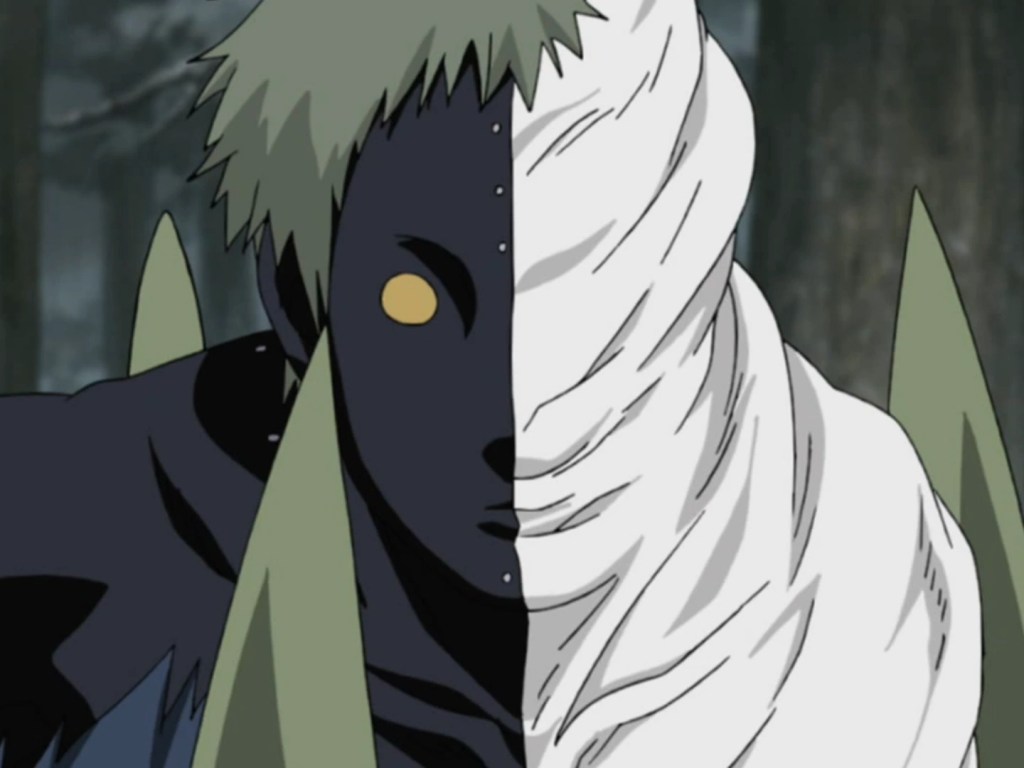
In Naruto Shippuden, Black and White Zetsu were highlights of Akatsuki with a memorable dynamic, an interesting skill set, and the unique position of being Akatsuki’s most utility-heavy members. During the Fourth Great Ninja War, Black Zetsu went from a resourceful asset to a total game-changer in the worst possible way. To this day, the Black Zetsu twist sits alongside the Kaguya/Otsutsuki twist as Naruto‘s most bemoaned developments.
In the Fourth Great Ninja War, after Madara had awakened the power of the Ten-Tails, he was betrayed by Black Zetsu, whom he had mistakenly believed to be the embodiment of his will. This leads to the revelation that Black Zetsu had actually been acting out Kaguya’s will, not Madara’s. He was also given credit for a huge number of the story’s most interesting developments, stripping away autonomy and hard-earned characterization from characters whose actions could easily be understood or explained in more interesting ways.
8) Darling in the FranXX Spaced Out on Its Themes
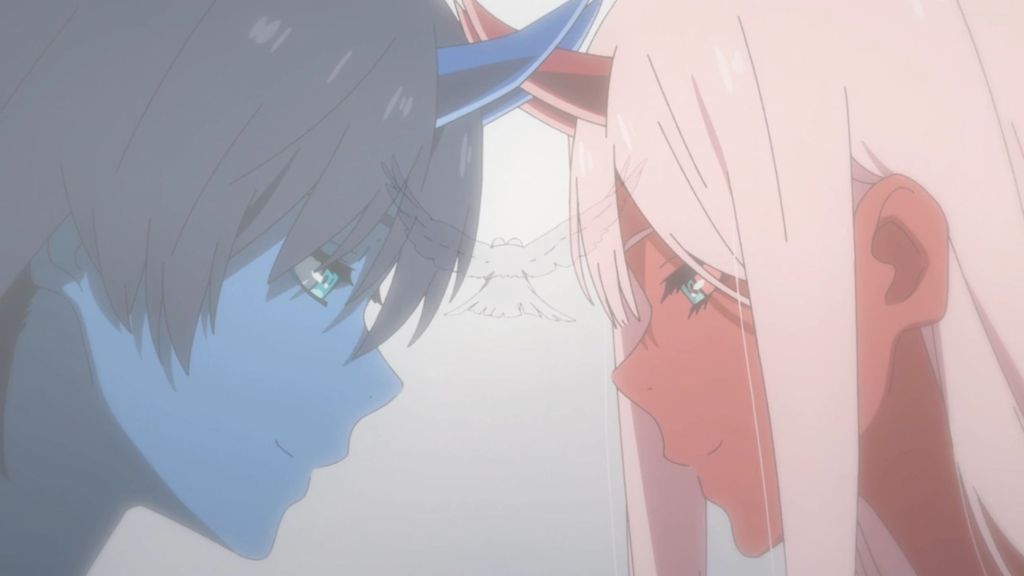
Darling in the FranXX gets a bad rap, often maligned as a simple rip-off of headier mecha series like Zeta Gundam and Neon Genesis Evangelion. In reality, Darling in the FranXX, set in a world where children are isolated and trained as mecha pilots to defend against monsters called klaxosaurs, has some very interesting ideas at its core. Its central relationship between Hiro and part-klaxosaur Zero Two is emblematic of one of its most intriguing themes: defining what is or isn’t human.
Other relevant concerns like generational interdependence come into play as Darling in the Franxx builds out a touching story full of great characters, meaningful relationships, and a dash of political intrigue. But Darling in the FranXX veers off the rails in its rushed ending, where it’s revealed that, actually, aliens are pretty much behind everything, deflating much of the intricate world-building and thematic discussion up to that point.
7) Code Geass Massacred Its Narrative

Code Geass is a story about its archetypal antihero protagonist, problematic Britannian prince Lelouch vi Britannia, attempting to lead the liberation of the oppressed Japanese population and stumbling into a strange ability called a Geass that, in his case, lets him force anybody to do something. It’s a revered cult classic for a number of (very good) reasons, including a plot that isn’t afraid to be a little wild. Sometimes, though, it can walk a bit too much on the wild side.
Consider Euphemia’s massacre of the Japanese. Euphemia, Lelouch’s half-sister and the sub-viceroy of Area 11, where the Japanese are concentrated, discovers Lelouch’s identity as revolutionary leader Zero. The two work together for a peaceful resolution, and just before its public announcement, Lelouch mentions his Geass backstage, joking that if he told her to kill the Japanese, she’d have to do it. The Geass goes haywire and activates, leading Euphoria to march on stage and gleefully kick off a bloodbath. The twist is unintentionally hilarious, but narratively, it feels like an incredibly lazy way to keep the story moving forward.
6) Erased Taught How to Kill Suspense

Erased made our list of the best anime thrillers because, in most respects, it’s a fantastic series. It’s a tender, relatable drama about a 30-year-old man, Satoru, who has the involuntary ability to send his consciousness back in time to prevent life-threatening events. When his mother is mysteriously murdered, he’s sent back 18 years with the opportunity to uncover her killer. Along the way, he devotes himself to stopping the serial killer who killed three female classmates, including his childhood friend Kayo.
It’s a rich story with a lot of heart, a strange nostalgia, and a chilling pulse. Everything comes undone when the killer is finally unmasked, though: it turns out to be Kayo and Satoru’s teacher. This is a bad twist because, well, there’s nobody else it could have been. His identity is telegraphed throughout the whole series. To make matters worse, the reveal enables a rushed ending suffering from a massive tonal shift and a poorly handled rooftop confrontation.

5) Death Note Took a Massive L
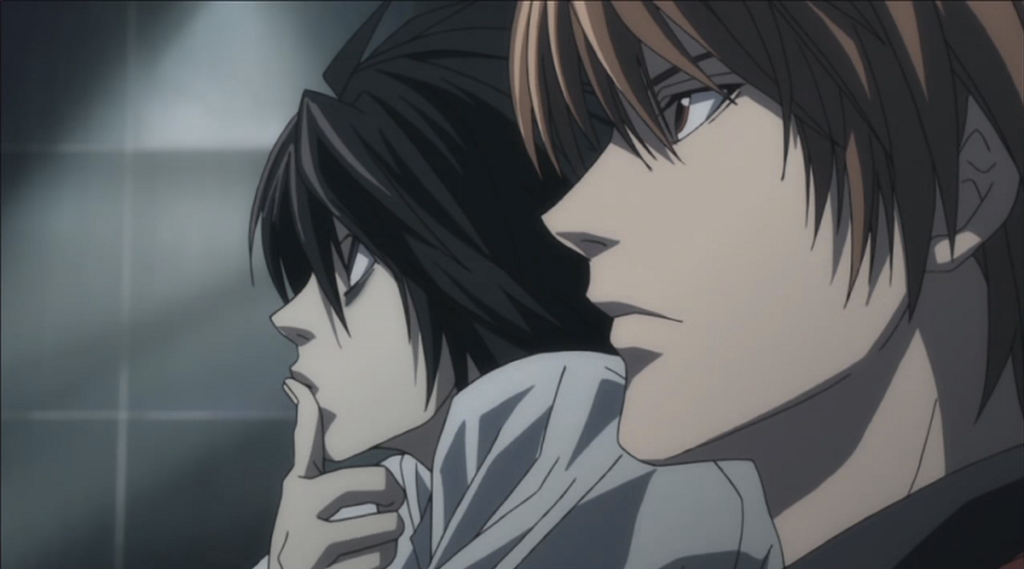
Death Note is a beloved story many hold dear; for some, it was even their introduction to anime. Its central entanglement of Light Yagami, a teenager with a god complex who stumbles upon a Death Note, lending him power over life and death, and L, the prodigal detective hot on his tail, is the very breath of the series itself. The series is divided into two parts separated by Light’s final victory over L after an elaborate plot works out perfectly to plan and allows for L’s elimination.
Fans have bickered forever about the second part’s merits (or lack thereof), with many fans feeling that Mello and Near don’t match L’s same energy, which drew them in to begin with, but this isn’t a list about bad endings or stories falling off. It’s a list about bad twists. Light killing L brought an abrupt end to a thrilling game of cat-and-mouse, and while it’s brilliantly executed, it’s hard not to wonder whether the story could have moved forward in a different way, leaving L intact for longer (and letting Death Note maintain the razor-sharp focus of its first half).
4) Usagi Drop’s Ending Doesn’t Exist
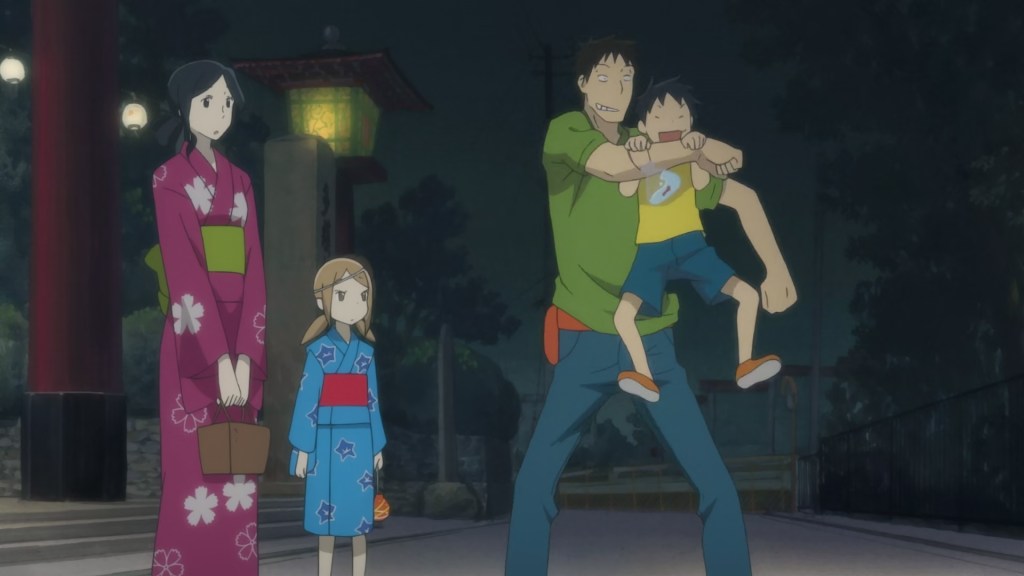
Usagi Drop is more of an example of a horrible manga twist, rather than a horrible anime twist. In fact, the anime did Usagi Drop the favor of avoiding its manga’s awful conclusion. But its twist ending is a renowned storytelling blunder to the extent it would be sacrilegious to leave out. Ask any of Usagi Drop’s many fans, and you’ll probably even hear them jokingly deny its existence.
Usagi Drop is about Daikichi Kawachi, an everyday salaryman, and Rin Kaga, his grandfather’s illegitimate daughter, who he takes in when nobody else will. For the most part, the story is a sweet slice-of-life dramedy: Daikichi has troubles adapting to fatherhood and being a single parent, but ends up appreciating all of the sacrifices he made for Rin. The trouble comes after a time-skip: Rin decides she wants to be with Daikichi when she discovers they aren’t blood relatives.
3) Bleach’s Biggest Zero Gets Bigger

For the most part, Bleach‘s writing is known for being fairly tight, but there’s one infamous twist fans will never let go. Having betrayed Soul Society, Aizen seeks to establish a base of operations and sets his eyes on Hueco Mundo, building up an army of Arrancar, humanoid Hollows who gain Shinigami powers. One of the pillars of Aizen’s plan is the Espada, comprising the ten strongest Arrancar who are ranked according to their Reiryoku.
It was established that the Espada were ranked from ten to one, with the Ten Espada, Yammy Llargo, being presented as a bumbling, lumbering fool: strong and resilient but slow and not all that powerful. Eventually, he’s revealed to be the Zero Espada, releasing his Zanpakuto and growing in size. Considering that Yammy had effectively been set up as a comic relief punching bag, fans were blindsided. Insult to injury: the ridiculous presentation through meme-worthy lines like “Who told you we ten Espada bore the numbers one through ten? The numbers of the Espada are zero to nine!”
2) Mars of Destruction Earned a Place in History
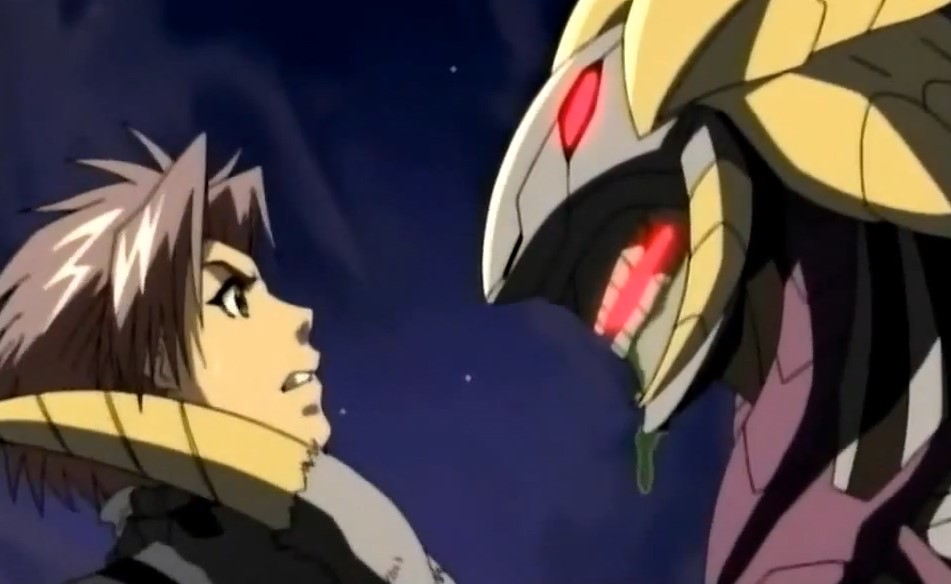
Mars of Destruction is such a bad, incomprehensible OVA that it’s earned a spot in the annals of anime history. In a way, it almost feels like low-hanging fruit. But this list is about the worst anime twists of all time, after all, and Mars of Destruction features a twist so lazy and low-effort it almost feels like a masterclass on the subject. Mars of Destruction is nominally about fighting against alien invaders.
Its dizzying plot is split between mystery on one side, with scientists scrambling to understand the nature of unkillable Martians who have suddenly appeared, and action on the other as “chosen one” protagonist Takeru Hinata is charged with rising to the occasion. The big twist comes at the end when it’s revealed that the invading Martians are Earthlings, while the current “Earthlings” are actually Martians in disguise. It’s abrupt and, if it sounds confusing on its own, it’s even worse in a story that has no substance. You can feel the lightest wisp of what could be a clever inversion, but the twist is so out of place and unsubstantiated that it boggles the mind why it was included to begin with.
1) Naruto Alienated Fans With Kaguya

Although Black Zetsu acted as “Kaguya’s will”, the Kaguya twist should be treated separately from the Black Zetsu twist because they represent different ways of undermining Naruto‘s story and momentum. The Black Zetsu twist made everything feel meaningless, but the Kaguya twist just felt really weird. For being aimed at a younger demographic, one thing to Naruto‘s credit has always been its ability to present moral ambiguity, geopolitical exploitation, and empathetic villains, ideas which some would assume to fly over the heads of its audience.
However, after building out its story on top of grounded, human ideological conflicts, the Kaguya twist (and the Otsutsuki twist in general) led things totally off the rails with a shallow sci-fi twist that felt like a total departure. That’s not to mention the egregious impact it had on Naruto‘s power scaling: Madara was already impossibly hard to defeat, but Kaguya’s dimension-hopping antics and powers like All-Killing Ash Bones are on a different level entirely. We were pleasantly surprised with Boruto for its treatment of the Otsutsuki, but leaning into an idea from the start is very different from tacking it on at the end.
Did we miss a twist you think should have made our list, or do you have a deep cut other people would love to talk about? Let us know in the comments, we’d love to hear from you! Finally, if you’re interested in checking out our list of anime that would have been better off just staying manga, click through to the link below.
Most Viewed
-
Image courtesy of Tor Books/Macmillan -

Official art by Bastien Lecouffe-Deharme