The X-Men are on the road to greater success than ever with their upcoming MCU debut. However, Marvel Studios has already started their mutant blitz with X-Men ’97, taking readers back that bygone era when the men and women of X were the most popular superheroes of them all. ’90s Marvel was all about the X-Men, with X-Men, Uncanny X-Men, and Wolverine (Vol. 2) staying at the tippy-top of the sales charts, as well as X-Force, X-Factor, Excalibur, Cable, Generation X, and more miniseries than you could shake a stick at taking up all of the shelf real estate. The company put the best artists they could afford on their books, trying to recapture the glory days of Chris Claremont’s landmark X-Men run.
Videos by ComicBook.com
For the first few years after the 1991 X-Men reboot, the Uncanny and X-Men were written by Scott Lobdell and Fabian Nicieza respectively, but Nicieza would be be gone by ’96, leaving Lobdell to run off Mark Waid (that’s actually what happened; Waid hated Lobdell so much he bounced from the best-paying job in the comic industry). Lobdell would end up leaving in 1997 after wrapping up “Operation: Zero Tolerance”, and was replaced by Steve Seagle on Uncanny X-Men and Joe Kelly on X-Men (Vol. 2). Starting with Uncanny #351 and X-Men (Vol. 2) #7o, the two of them wanted to take the X-Men in some new directions, ones that Marvel was behind until they weren’t. Honestly, this was the best-written period of ’90s X-Men comics and it only lasted a total of 14 months.
Seagle and Kelly Were Trying to Rebuild the X-Men Stronger
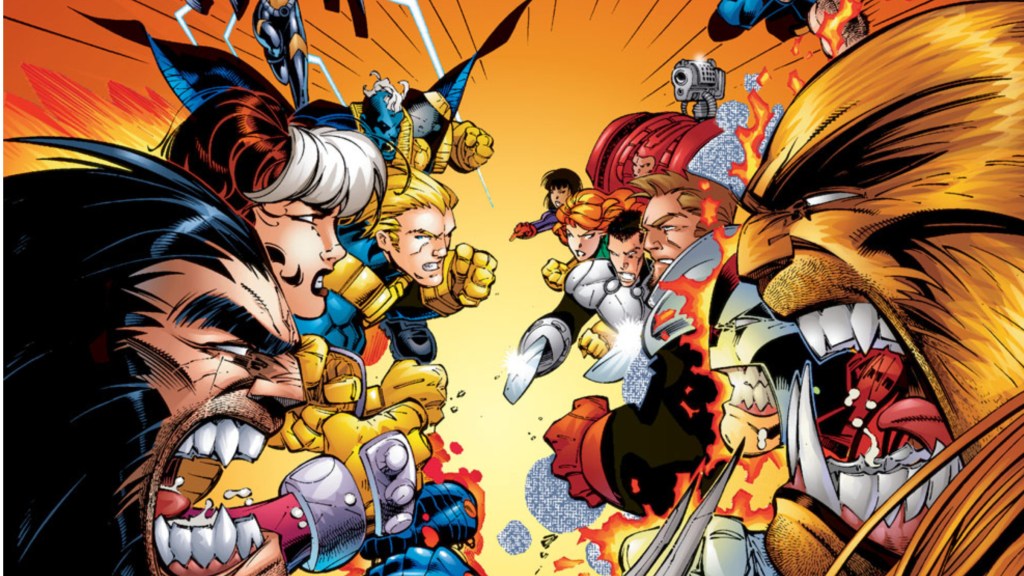
Joe Kelly and Steve Seagle weren’t A-listers when they got the job on the X-books, but they were definitely on their way there. Kelly had started writing Deadpool‘s new solo ongoing, taking a character that at the time was just an insane killer and making him lovable. Meanwhile, Seagle was co-writing one of the best comics of the ’90s, Sandman Mystery Theater. They were talents on the rise and Marvel decided that the best way to harness that was to put them on the biggest stage in the comics industry. Kelly already had Deadpool, so Seagle was given an Alpha Flight reboot that was very X-Files, building readers up for their next work.
“Operation: Zero Tolerance” is a story that has a better reputation than it deserves, mostly because of X-Men ’97. It’s a standard X-story of the day, a little bloated and somewhat anti-climactic at times, but it was the perfect way to kick off a new run. The story ended with the X-Men learning that they were broke – all of Xavier’s assets were taken by the government and the mansion’s technology was destroyed by “feeder nanites”, which ate everything in the mansion down to the floorboards. They owned the land, but suddenly, they had to pay bills and figure out new ways to deal with things.
No Blackbird, no Cerebro, no Shi’Ar technology, and, on top of all of that, Cyclops, Jean Grey, Beast, Iceman, and Archangel all left the team, with teases of the Phoenix on the horizon. This was the way the run kicked off and it was exciting. Seagle’s book was the character book, focusing on Rogue and the original team, throwing the X-Men at Sauron and Alpha Flight. Meanwhile, Kelly’s book was the big superhero action, as the X-Men had to deal with an invasion from the N’Garai cairn, the origins of Maggot, Marrow’s wild streak, and a war against the Shadow King. Seagle and Kelly didn’t want any set roster and they wanted to deal with the team on a different scale than usual, building the characters and rebuilding the team to their former glory.
However, Marvel got cold feet after ten issues of each book. They didn’t want a sprawling X-Men roster or the return of the Phoenix or poor X-Men. They wanted the X-Men that fans had been in love with for years. So, the roster was pared down to eight Claremont era stars – Storm, Wolverine, Rogue, Colossus, Kitty Pryde, Nightcrawler, Marrow, and Gambit – and magically they had all the money and technology they needed. The two of them got to bring back Xavier in a battle against a sentient Cerebro, and then writer/artist Alan Davis was given the books in 1998, beginning the march to the new millennium. Marvel threw away the most potentially interesting X-Men status quo ever for more of the same old, same old.
Seagle and Kelly’s X-Men Is Best of All Time
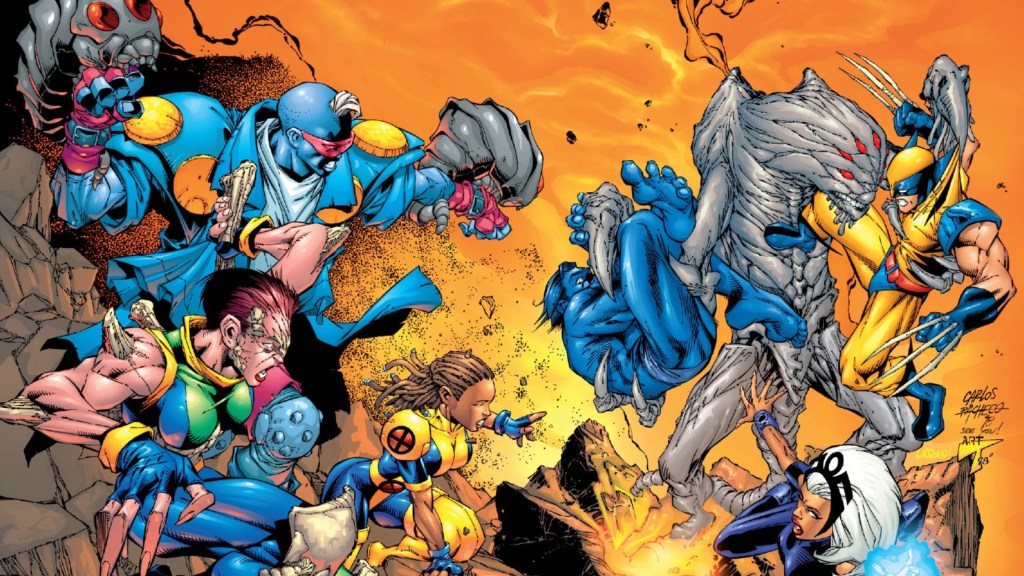
By 1997, X-Men fans were ready for a change. We had just been on a cycle that included “Fatal Attractions”, “The Phalanx Covenant”, “Legion Quest”, “Age of Apocalypse”, “Onslaught”, and “Operation: Zero Tolerance”. That’s five years, by the way. We wanted a chance to catch our breath and we wanted something different. Kelly and Seagle’s time together felt like it was going to be that. The two of them were handed the most revolutionary X-status quo since the Outback era and their early work, with A-list artists Chris Bachalo and Carlos Pacheco (with Adam Kubert, Leinil Yu, and Brandon Peterson also joining the book before they left) were some of the best X-Men comics of the decade.
However, Marvel in 1997 and 1998 was just getting out of bankruptcy. They needed their X-Men comics to look as familiar as possible; they didn’t want focus on new characters or on the team trying to figure out how to rebuild their lives with nothing in the mansion. They just wanted X-event after X-event, over and over again, in an endless cycle. Seagle and Kelly weren’t giving them that and were taking the teams to places where they hadn’t been before. Marvel didn’t want this and it led to the two of them bowing out of the books early. I remember being so excited by this run and then the whole thing just completely petered out as time went on. It’s a huge missed opportunity in X-Men history. Maybe if they had stayed around, the end of the X-Men’s 20th century could have a much different and much better reception with fans.
More Comics
-

Image Courtesy of Marvel Comics -
Image Courtesy of Marvel Comics -
Image Courtesy of DC Comics -
Image Courtesy of DC Comics -
Image Courtesy of DC Comics -
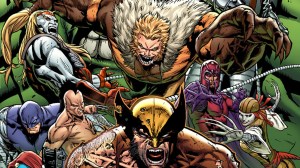
Image Courtesy of Marvel Comics