Cable was once one of the most popular mutants ever. First appearing in 1990’s New Mutants #87, he quickly reached a Wolverine level of popularity, and would get his first chance at solo stardom in 1992’s Cable: Blood and Metal #1-2. That’s remarkably quick, and it wouldn’t be long before the characters was given his own ongoing series. Cable wasn’t always a great book, but it was often pretty good, and it sold rather well. Like all of the X-Men books of the early ’90s, it was a part of “Age of Apocalypse”, and replaced by X-Man. This book starred the Cable of that universe: a young clone made from Cyclops and Jean Grey DNA by Mister Sinister named Nate Grey, created to be a secret weapon against Apocalypse.
Videos by ComicBook.com
“Age of Apocalypse” is a legendary story, and X-Man, from Jeph Loeb and Steve Skroce, was given a chance no other AoA book was given; it was continuing after the story ended. If we’re being honest, the first couple of the years of the book were pretty sensational. For a little over two years, X-Man was the best book starring Cable, with creators like John Ostrander, Terry Kavanagh, Luke Ross, Roger Cruz, Val Semeiks, Alan Davis, Pasqual Ferry, Cary Nord, ChrisCross, Ariel Olivetti, Marc Pajarillo, and J.H. Williams III turning in great work on the character over the course of 48-issues. Cable was always one of the most popular Marvel mutant antiheroes, but X-Man was able to go in new directions, and gave readers a classic superhero series that doesn’t get the credit it deserves.
X-Man Was Able to Tap into an Early Spider-Man Vibe That Just Worked
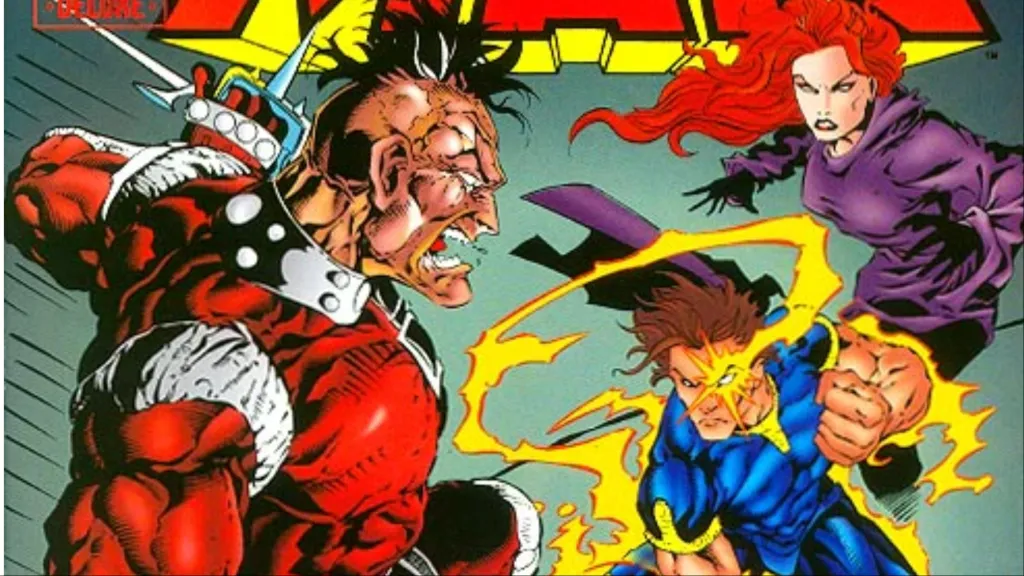
Right from the word go, X-Man was a cool departure from Cable, and I think that was the main reason it caught on. Cable was exactly the kind of book you’d expect it to be in 1994. Loeb was fleshing out Nathan’s past in the future, introducing characters like Blaquesmith and taking things in mildly interesting directions. It was very much an early ’90s antihero comic; fine for what it was, but nothing special, with the art usually being better than the writing. X-Man was a completely different kind of comic, with a traumatized teenager with immeasurable power trying to find his place in the world.
The AoA issues followed Nate, Forge, Toad, Sauron, Mastermind, and Brute on the run from Apocalypse and Sinister, which ended with Nate on his way to fight Apocalypse. X-Men Omega #1 would see him pulled by the M’Kraan Crystal into the main universe, and issue 5 would open with him trying to figure out what happened and survive. The book hit second gear during this period, with Suicide Squad legend John Ostrander teaming Nate with Madelyne Pryor, as the two of them start to make waves in the Marvel Universe, with battles against Xavier, his AoA foe Holocaust, Exodus, X-Cutioner, and more. Ostrander’s short time on the book, from issue 9 to when Terry Kavanagh started co-writing in issue 15, was as great as you’d expect, and set the book up for its next phase under Kavanagh.
Kavanagh would find the book’s sweet spot when he was teamed with artist Roger Cruz. Since Nate was a teen, Kavanagh, who had worked on Spider-Man for a while, shifted the book into the Web-Slinger’s old formula with some tweaks. This was a book about a young adult hero trying to find his place in a new world, with enemies and allies taking advantage of his lack of experience. Nate got a second sidekick after Madelyne left in the person or Threnody and the two of them became the heroes of Washington Square Park in New York City. There was the right amount of young adult angst and romantic tension, using the setting to test Nate with various bad guys, and it pulled readers in. Kavanagh even began developing a friendship between X-Man and Spider-Man, taking him out of the X-Men corner of Marvel and positioning him as a big deal new hero.
Spider-Man worked because he was relatable, and Kavanagh gave that same kind of vibe to Nate. It worked wonders, and Cruz’s anime-inspired art was the key. He was able to capture Nate’s youth and the book looked modern, and the new energy was a huge place for the book. Skroce’s art worked better in the build-up because it was able to capture the power of the big battles Nate was fighting under Ostrander nicely; however, Cruz’s work was better for the neighborhood hero vibe that Kavanagh gave the character. On top of that, the bevy of fill-in artists and short runs gave the book a very different visual identity than most other mutant books out there. It was an anachronism in a lot of ways — a ’90s mutant book that was trying to be a classic Marvel teen hero book — and it succeeded more often than not.
X-Man Blew Cable Out of the Water
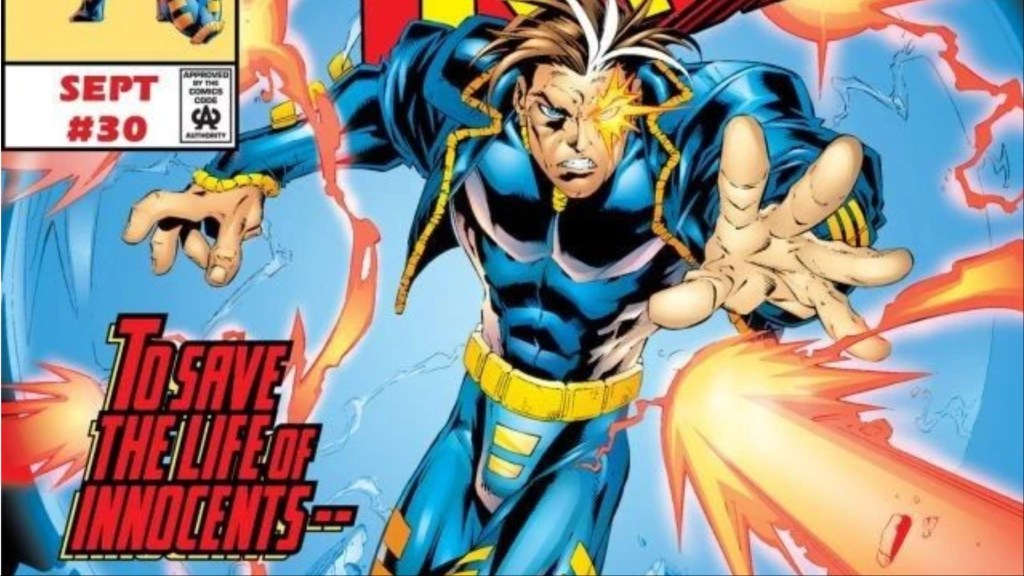
Cable was one of those book that was somewhat interesting, but it mostly seemed to sell on inertia alone. X-Man created a new version of the character, and took that character in a completely different direction than Cable ever could have gone, and tried to do something no one expected with it. Nate Grey was a completely different character from Nathan Summers, and it allowed writers to take him in directions that kept the book vital for four years.
X-Man in the mid to late ’90s went Silver Age Marvel, setting the new hero in New York City and throwing different foes at him, all while teaming him up with Spider-Man to make the connection even more apparent. Kavanagh, who wrote the book longer than Loeb and Ostrander combined, was able to take inspiration from the Spider-Man comics of the ’70s to make a mutant book that was totally different from any other one on the market. Seriously, X-Man (Vol. 1) #1-48 is worth checking out; it’s the best Cable has ever been and is a hidden gem of late ’90s Marvel.
What do you think about X-Man? Leave a comment in the comment section below and join the conversation on the ComicBook Forums!
Most Viewed
-

Courtesy of Sony Pictures Animation / McDonalds -

Images courtesy of Warner Bros. Pictures -

Courtesy of Viz Media -

Courtesy of Sony Pictures Animation / McDonald's -

Courtesy of Crunchyroll