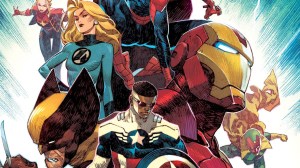
The X-Men have one of the best rags to riches stories in comic history. Created by Stan Lee and Jack Kirby, the team was Marvel’s first major teen team, but didn’t reach the level of their teen superstar Spider-Man. They were one of the least popular parts of the Silver Age Marvel Universe and their book would become a reprint comic by 1970. Giant-Size X-Men #1 would reintroduce the team with an all-new roster, leading into the blockbuster Chris Claremont X-Men run, which made the X-Men into the most popular team in the comic industry for years. Claremont was able to take what was essentially a new team and make fans love them.
Videos by ComicBook.com
The ’70s would see the team grow and grow; by 1980, they were the undisputed champion of the sales charts. Claremont’s X-Men stories became legendary and one of the keys to their greatness is the fact that Claremont liked to keep things moving forward. This led to 1982’s Marvel Graphic Novel #4: The New Mutants, a story that took the X-Men back their roots in a lot of ways (for example, Lee wanted to call the team “the Mutants”, so naming them “the New Mutants” homaged this), introducing a new team of teen mutants. Soon, they became popular enough to get their own series and the rest is history. The New Mutants, in a lot of ways, saved the concept of the X-Men and has grown to become one of the most important parts of their history.
The New Mutants Took the X-Men Back to Their Roots

So, the title of this feature might not seem correct, since in 1982, the X-Men didn’t really need saving. They were at the height of their powers, selling books like hotcakes. However, when it comes right down to it, the concept of the X-Men wasn’t as important as it had been. A big part of Charles Xavier’s dream was helping the next generation face the world of humanity and the X-Men’s non-stop superhero adventures, taking them all over the universe, saw a lot of what made the X-Men unique take a backseat to the action and the soap opera dramatics. The New Mutants were a return to form, reminding readers that the team was still about the next generation and taking the whole thing back to basics.
The New Mutants are an integral piece of X-Men lore. It introduced the next generation of mutants to readers, and it was crafted for the teens of the early to mid ’80s. Claremont was always good at creating teen characters and he was able to perfect his approach with the team, introducing readers to Cannonball, Dani Moonstar, Wolfsbane, Sunspot, Karma, Magik, Doug Ramsey, and more. They were never as popular as the X-Men, but they did what the team couldn’t do when they had teen members – succeed. Fans loved the members of the group, with Claremont and later Louise Simonson building them in their own interesting directions. Books like Fallen Angels and X-Terminators introduced even more characters to the team, making them even more popular than ever.
Eventually, we’d get Rob Liefeld on New Mutants (Vol. 1) and the team had an all-new renaissance, leading to the creation of X-Force. X-Force was one of the most popular teams of their day, allowing us to continue to watch these characters grow as heroes. By the end of the ’90s, the team had completely faded away, with both the members of New Mutants/X-Force being replaced by a new generation of young mutants. One of the problems was that X-Force was so popular that Marvel kept New Mutants who should have become X-Men on the group, holding back the next generation. Cannonball got the call-up, but it wouldn’t be until the 21st century when the team would finally start getting attention.
A big part of that is how easy it is to get New Mutants stories nowadays. I started reading in ’91 and I couldn’t afford to go back and buy New Mutants books. Now, you can get Marvel Unlimited or one of the numerous collected editions for a reasonable price. Fans are honestly better read now and they went back and fell in love with the New Mutants. The team would return again in the late ’00s and since then, we’ve gotten to see more members of the team in bigger positions, namely Magik and Moonstar.
The New Mutants represent something extremely important to the X-Men – they’re the future. Mutants represent the next phase of human evolution and the New Mutants were the next phase of the team. They weren’t just learning about their powers, they were learning how to fight for the dream. There’s a reason the most successful eras of X-Men all have teen teams; the concept of mutants is all bound up with that of the future. The New Mutants were the first dawn of the X-Men’s future and this helped cement their importance in X-history.
The X-Men Needs the New Mutants to Succeed
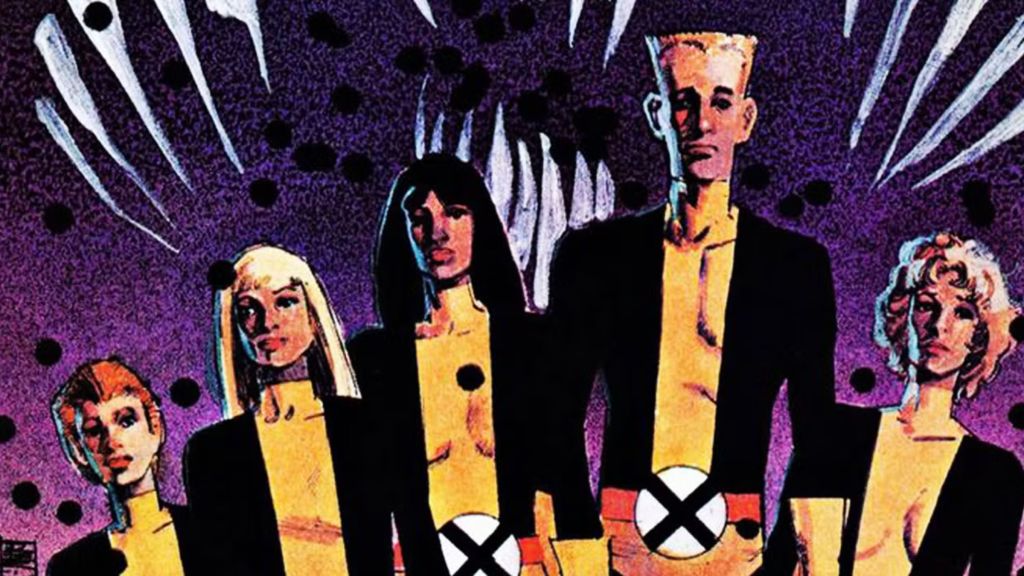
The key to the X-Men’s success in the ’80s was change. Uncanny X-Men was always in flux, keeping the team moving forward. The New Mutants were another phase of that, taking ideas from the past and using them successfully in the present. They were able to become the kind of heroes that fan loved, leading to millions of comics sold. Magik is basically the next big X-Men star in 2026, showing that the New Mutants was a star factory.
Right now, the legacy of the New Mutants is alive and well in Uncanny X-Men (Vol. 6), with a group of teen mutants called the Outliers taking up their name and colors, cementing the Claremont feel of the book. There’s just something about the idea of the New Mutants that fits the X-Men like a glove. There’s always been a version of the team somewhere, even if they were called something like Generation X or the New X-Men. The idea of a team of teen mutants being raised to be X-Men is one that the team needs, passing the dream down to the next generation so they can fight for it.
More Comics
-

Courtesy of The Walt Disney Company -
Image Courtesy of DC Comics -
Image Courtesy of Marvel Comics -
Image Courtesy of DC Comics -

Image Courtesy of DC Comics -
Image Courtesy of Marvel Comics -
Image Courtesy of Marvel Comics