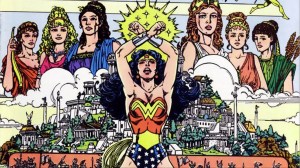
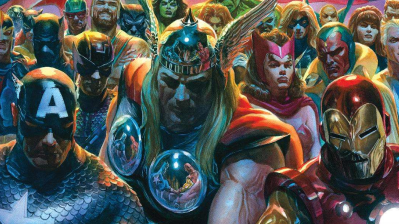
Marvel is so Avengers-shaped in pop culture that it is easy to forget the universe is basically built on team books that aren’t the Avengers. Team titles are where Marvel does some of its best work because they let the world feel social and messy. Different power sets create natural problem-solving variety, clashing personalities generate drama without needing a villain every issue, and a team can represent an idea bigger than any one hero. Also, teams are Marvel’s best excuse for “why are these people in the same room,” which is secretly half the fun of superhero stories.
Videos by ComicBook.com
Non-Avengers Marvel teams tend to fall into a few distinct lanes, and each lane scratches a different itch. The interesting part is that these teams often have clearer identity than the Avengers, because they are not trying to be the big tent for everyone.
10. The Great Lakes Avengers
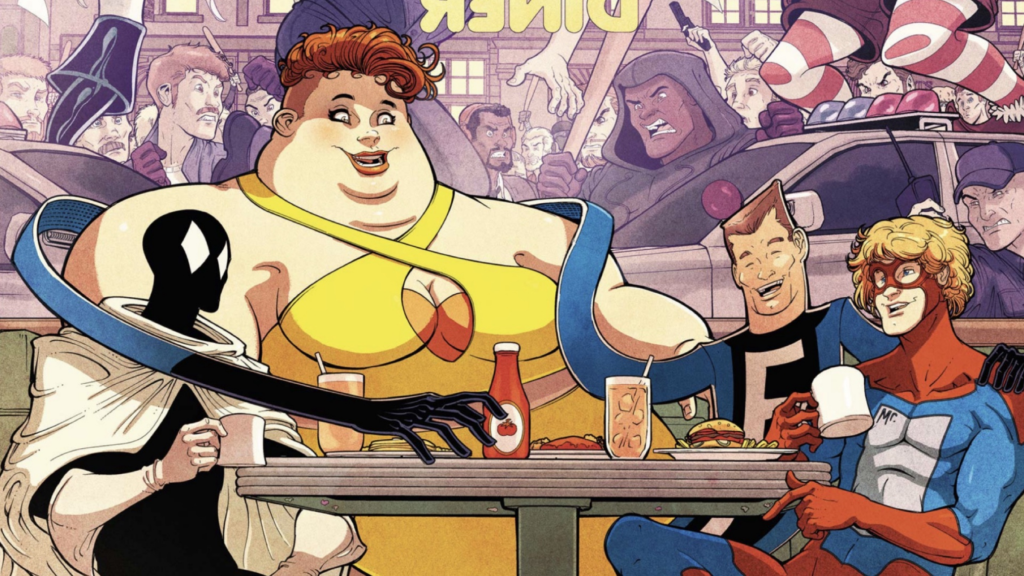
They started as a parody, but the Great Lakes Avengers earned their cult status through self-awareness and absurd charm. Mr. Immortal, Big Bertha, Doorman, and the always-underrated Squirrel Girl bring chaotic humor to every mission, often mocking Marvel’s own superhero tropes. What saves them from irrelevance is their surprising heart. You find real sincerity and commentary on what it means to be a “lesser” hero in a world dominated by legends. They’re proof that laughter can be just as powerful a weapon as strength.
9. Heroes for Hire
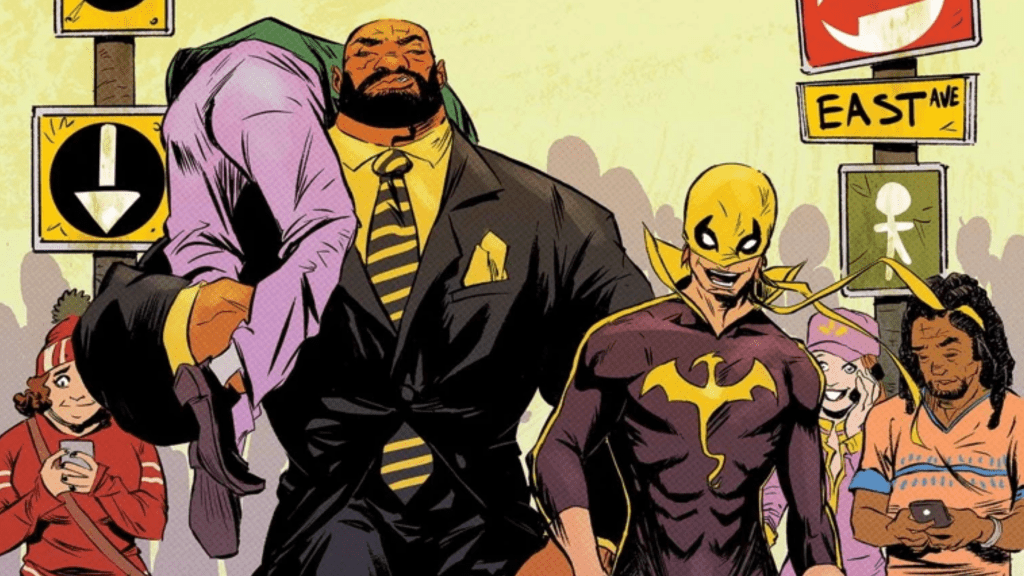
Heroes for Hire made capitalism and crimefighting collide in the most entertaining way possible. Luke Cage and Iron Fist’s partnership became a symbol of loyalty and grounded, streetwise justice. The title later expanded to include figures like Misty Knight and Colleen Wing, giving it strong, diverse energy. The team’s hero-for-pay premise injects realism into the Marvel landscape. They take gigs that most world-savers dismiss, showing how heroism can coexist with practicality.
8. The Midnight Sons
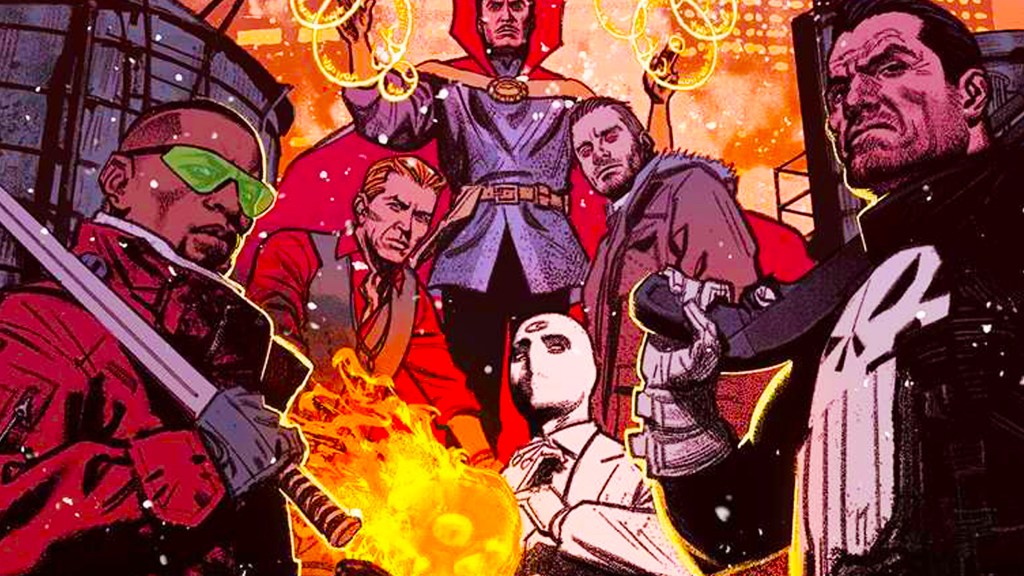
Marvel’s darker heroes found their home in the pages of Midnight Sons. Their problems do not get solved by punching harder, though plenty of punching still happens. Ghost Rider, Blade, Morbius, and others joined forces to battle occult forces that ordinary heroes can’t handle.
What makes them memorable is the eerie cohesion between characters steeped in tragedy. The team’s tone rejects optimism, diving deep into personal demons, literal and figurative. They deliver a flavor of horror and mysticism that balances Marvel’s glossy heroics.
7. The Runaways
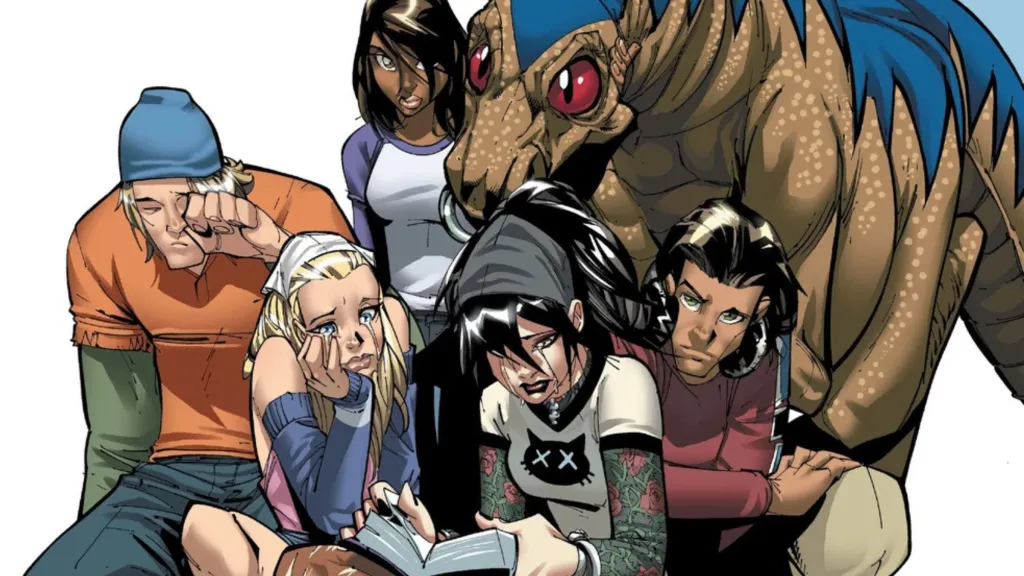
The Runaways broke fresh ground when Brian K. Vaughan introduced them in the early 2000s. A bunch of scared teenagers discovering their parents belong to a murderous cabal shouldn’t work as a “superhero team” pitch, yet it absolutely does. The members — Nico, Chase, Karolina, Molly, Gert, and Alex — offered unique power dynamics and clashing personalities. They’re not looking for fame, just freedom. Their ongoing struggle to define right and wrong in a world of endless gray zones gave them an emotional authenticity that rivaled even the X-Men. They are not polished, and that is exactly why they land.
6. The Thunderbolts

Few comic reveals can rival the impact of Thunderbolts #1. What appeared to be a new heroic team turned out to be villains in disguise. That twist alone cemented them as one of Marvel’s most fascinating teams. Over the years, members have moved between redemption and relapse, keeping the concept perpetually relevant.
The book’s moral tension never gets old. Whether it’s Zemo’s manipulation or Hawkeye’s reformist leadership, the Thunderbolts explore how fragile the line between heroism and villainy really is. In the comics, they’re social commentary wrapped in explosions and betrayal.
5. Excalibur

Spinning out of the X-Men universe, Excalibur took Marvel’s mutants across dimensions and into British mysticism. The lineup — including Captain Britain, Nightcrawler, and Rachel Summers — delivered swashbuckling adventures laced with Arthurian charm and high-concept weirdness. The series flourished under Chris Claremont and Alan Davis and carved its own space by fusing mutant angst with fairy-tale madness. Excalibur remains one of Marvel’s most imaginative team comics.
4. The Guardians of the Galaxy
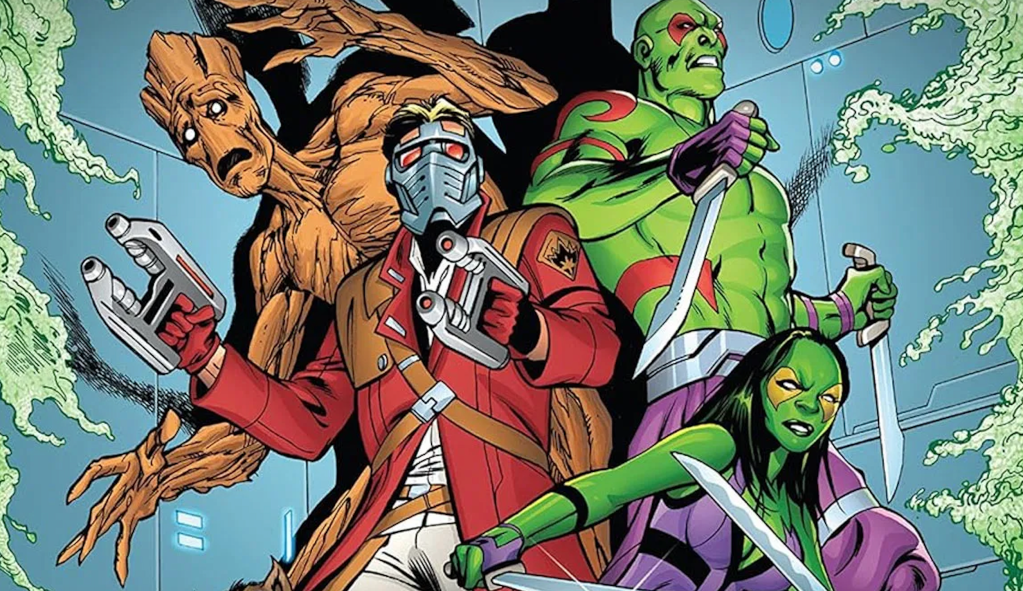
Before Hollywood’s spotlight, Guardians of the Galaxy was a cult comic masterpiece. The modern version from Dan Abnett and Andy Lanning rejuvenated the title with Star-Lord’s ragtag lineup of cosmic rejects. Their comics blend snarky humor with deep sci-fi world-building. They also carry Marvel’s cosmic side on their backs, bridging planet-level politics, ancient empires, and weird alien corners that Earthbound teams rarely touch. The Guardians fight because no one else will. Annihilation, War of Kings, and Guardians of the Galaxy (2008) remain essential reads for Marvel’s cosmic saga.
3. X-Factor
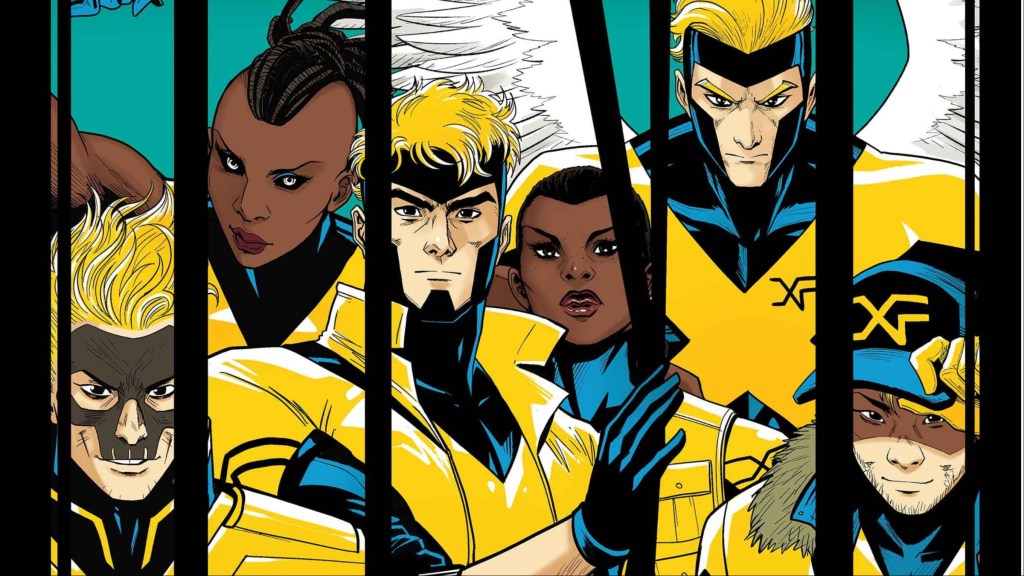
Originally formed to reunite the original X-Men, X-Factor constantly reinvented itself with surprising success. Whether as government agents, detectives, or mutant liberation forces, every version revealed new shades of mutant identity. Peter David’s run particularly stands out for witty dialogue and character depth.
The team’s evolution reflects Marvel’s willingness to experiment. From Cyclops’s leadership dilemmas to Multiple Man’s noir-style investigations, X-Factor merges superhero action with psychological drama. It’s one of the most narratively rich titles in Marvel’s mutant line.
2. The Fantastic Four
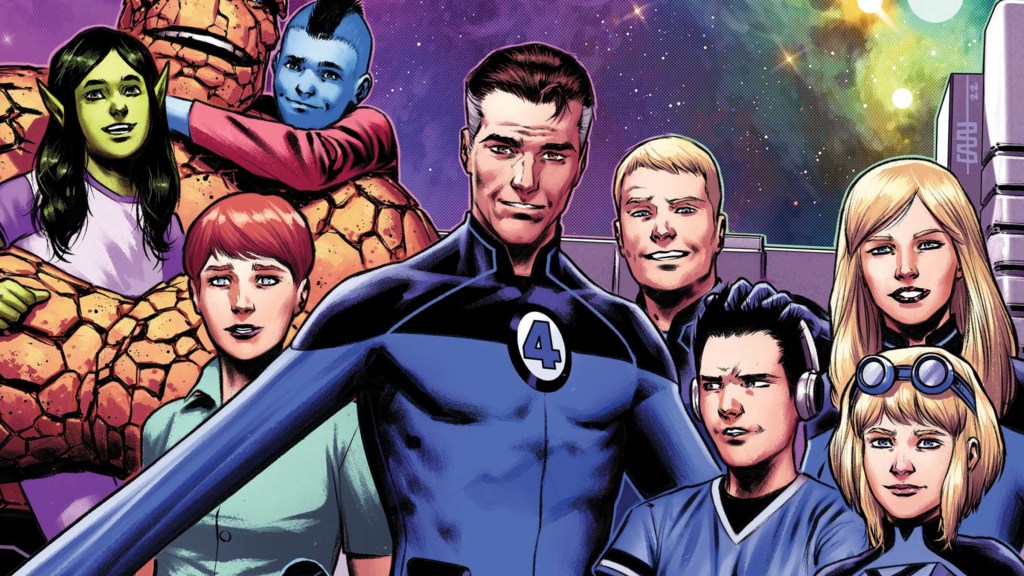
Marvel’s “First Family” remains the blueprint for superhero team books. They were pioneers who brought sci-fi, emotion, and dysfunction into one package. Reed’s intellect, Sue’s empathy, Johnny’s impulsiveness, and Ben’s humanity form a perfectly imperfect dynamic. Their best stories, from The Coming of Galactus to The Trial of Reed Richards, mix cosmic wonder with family tension. Every issue reminds readers that exploration, not fame, drives their heroism. The Fantastic Four embody Marvel’s beating heart of adventure.
1. The X-Men
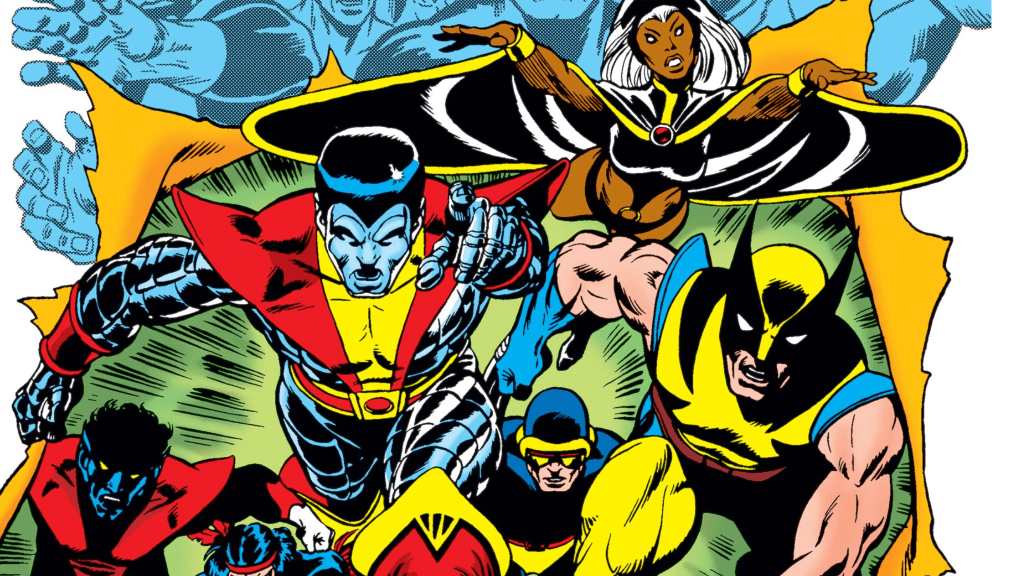
Few teams in comics have had cultural and narrative influence like the X-Men. They remain the most thematically loaded team Marvel has because prejudice never becomes “resolved. The team’s mission is survival and liberation, and the world keeps giving them reasons to exist. That makes their stories feel bigger than any single villain, because the antagonism often comes from society itself. Since the ’70s, Uncanny X-Men transformed from a niche title to a global phenomenon exploring identity and survival. More than any other Marvel team, the X-Men forced readers to question systems of control and belonging.
What do you think? Leave a comment below and join the conversation now in the ComicBook Forum!
More Comics
-
Image Courtesy of Marvel Comics -
Image Courtesy of Marvel Comics -
Image Courtesy of DC Comics -
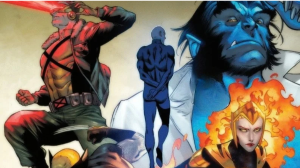
Image Courtesy of Marvel Comics -
Image Courtesy of DC Comics -
Image Courtesy of DC Comics -
Image Courtesy of DC Comics