
DC Comics is the original superhero universe, but a lot of has changed over the years. Sure, Superman is still the big blue boy scout and Batman is paying all of the bills, but one thing that has always been an important part of the company is change. Golden Age DC isn’t the same as Silver Age DC and the Bronze Age and Modern Age are different from both and each other. Characters get redefined all the time, with creators finding new ways to tell stories with the greatest characters in the DC Multiverse. However, not every revamp or reboot is created equally.
Videos by ComicBook.com
Sometimes, the right property and the right creators come together to create something that opens all the right doors. These runs make everything old new again and lead characters and teams in bold new directions. These ten DC comics redefined iconic characters, allowing them to become more beloved than ever.
10) The Flash (Vol. 2) #62-159
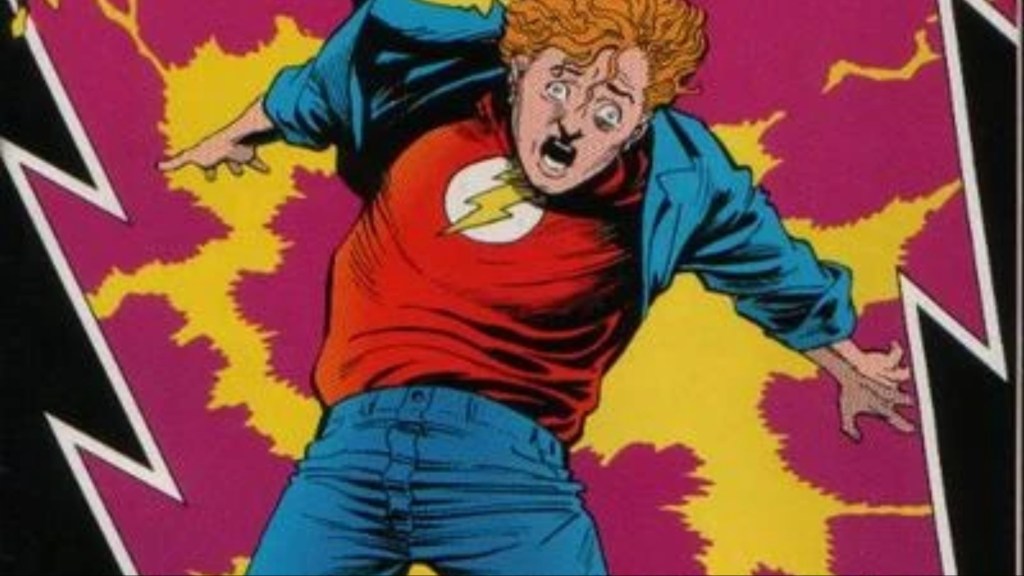
Wally West is widely considered the best Flash, taking over for his uncle Barry Allen and redefining what it meant to be the Scarlet Speedster. Wally wasn’t extremely popular as the Flash at first, but all of that changed when writer Mark Waid took over writing the hero. Waid’s first issue was The Flash (Vol. 2) #62, and he wrote the book until issue #159. He built Wally from the ground up, giving him a new supporting cast, introducing Linda Park and Bart Allen, bringing in characters like Jay Garrick, Johnny Quick, Jessie Quick, Max Mercury, and others, and introducing a variety of new villains. Waid made West into an icon, allowing him to truly become the Flash in the eyes of the fans.
9) Wonder Woman (Vol. 2) #1-62
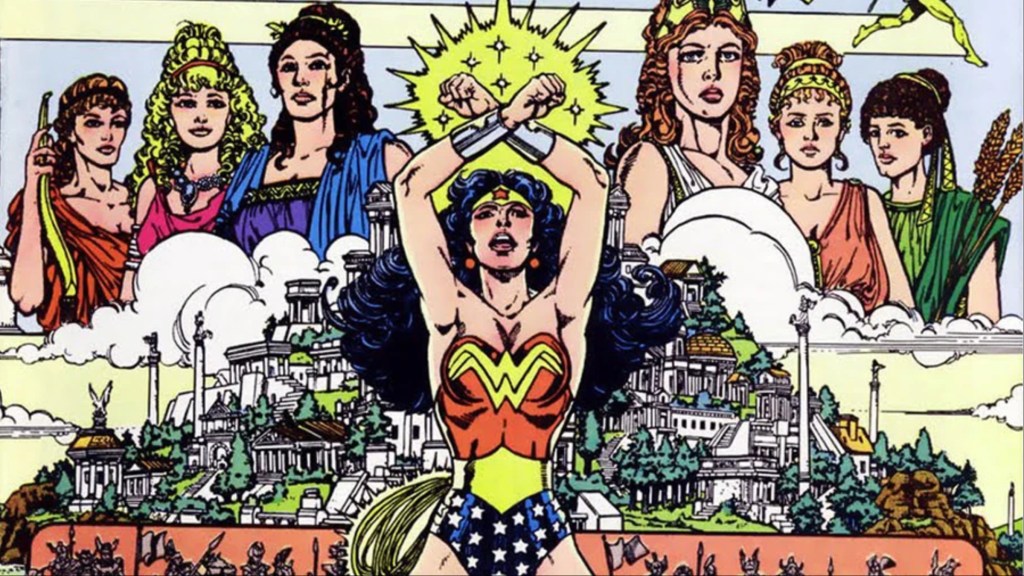
Wonder Woman is the greatest superheroine ever, with decades of stories under her belt. Crisis on Infinite Earths was used as a new beginning for the character and writer/artist George Perez was the man tapped to do the job. His run on Wonder Woman (Vol. 2) #1-62 brought the elements of Greek mythology of the character to the fore, as well as re-doing her origin and resetting her status quo. This was an entirely new Diana, one who had just come to Man’s World. Perez was able to capture this brilliantly, and he set the standard for who post-Crisis Wonder Woman would be. The character is still being defined by the work he did in the late ’80s.
8) JSA/Justice Society of America (Vol. 2)
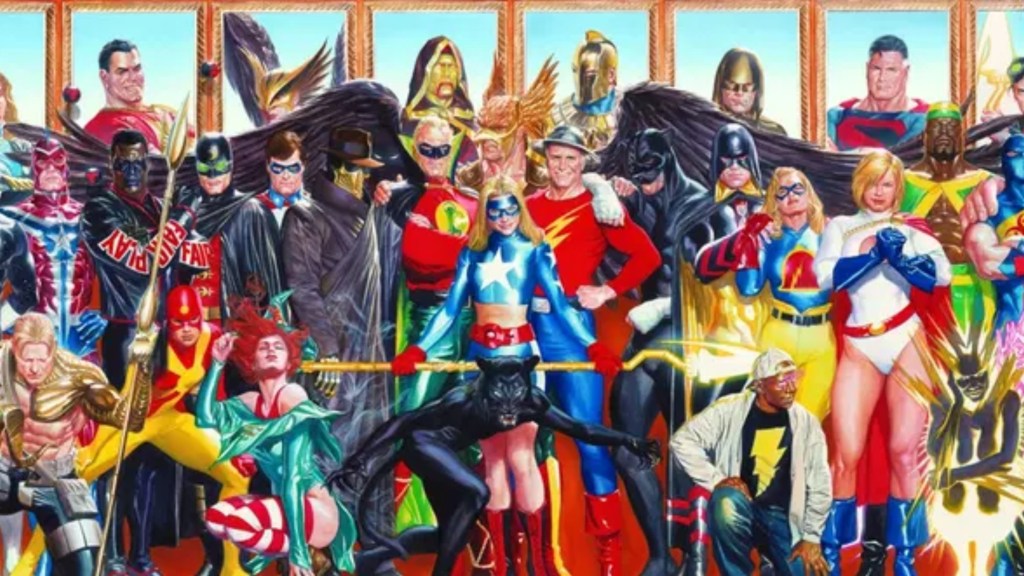
Post-Crisis DC was great for numerous characters, but the publisher’s former Earth-Two heroes took a bit longer to get started than the rest. It wouldn’t be until after Starman and Sandman Mystery Theater hit big in the mid ’90s that the Justice Society would come back in JSA, which would morph into Justice Society of America (Vol. 2) in 2007 after DC’s Infinite Crisis reboot. These two series, written by James Robinson, David S. Goyer, and Geoff Johns with an army of artists, rebuilt the team’s legacy as the oldest superteam in the world, with the first generation of heroes training the newest legacy superheroes, all while bringing back the coolest villains in comics. Both series are fantastic and they made the Justice Society into the stars they are today.
7) Green Arrow (Vol. 3) #1-15
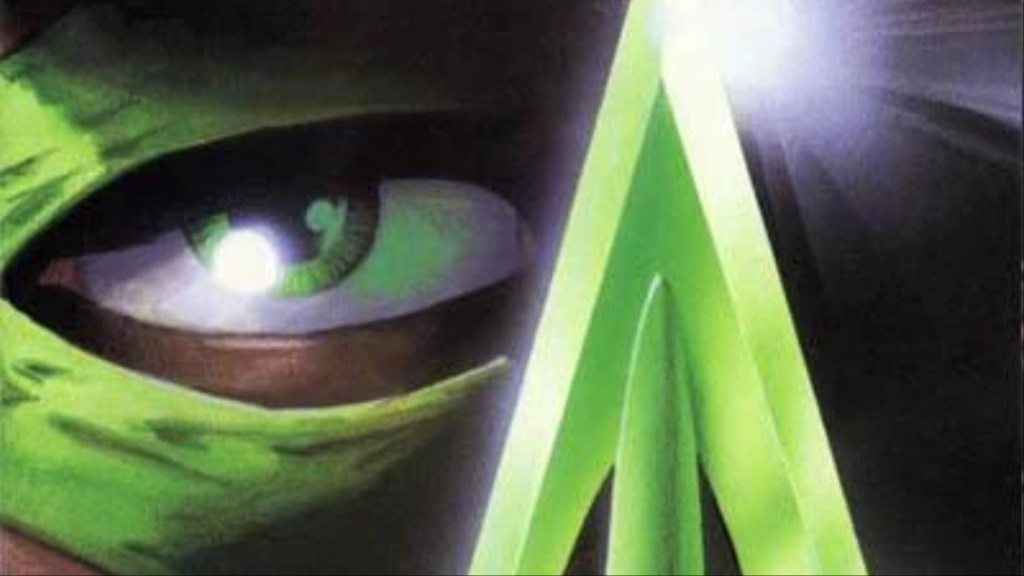
Oliver Queen was replaced in the ’90s by his son Connor, but eventually fans wanted everyone’s favorite firebrand back. Director Kevin Smith promised that he could make the character the bestselling character in comics and DC took him up on that. That led to Green Arrow (Vol. 3) #1-15, with artist Phil Hester. Smith was able to take everything great about the character and add to it, creating a version of the hero that felt modern while still paying homage to the past. Smith’s Green Arrow made the character a superstar, and it’s the blueprint for the character in the 21st century.
6) The Fourth World

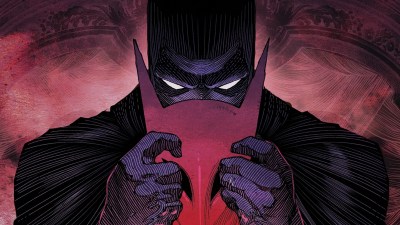
So, technically, Jack Kirby didn’t redefine any DC characters; he mostly created his own when got there. However, he redefined the entire DC Multiverse with his work, which is the most Kirby thing ever. Kirby created the Fourth World, gods of the modern age locked in a war against each other in books like New Gods, Mister Miracle, The Forever People, and more. These books introduced readers to Darkseid, Orion, Mister Miracle, Big Barda, and many others, changing the face of DC forever. Their legend gave the publisher its own cosmology, and led to some of the greatest stories of all time.
5) Justice League International #1-60
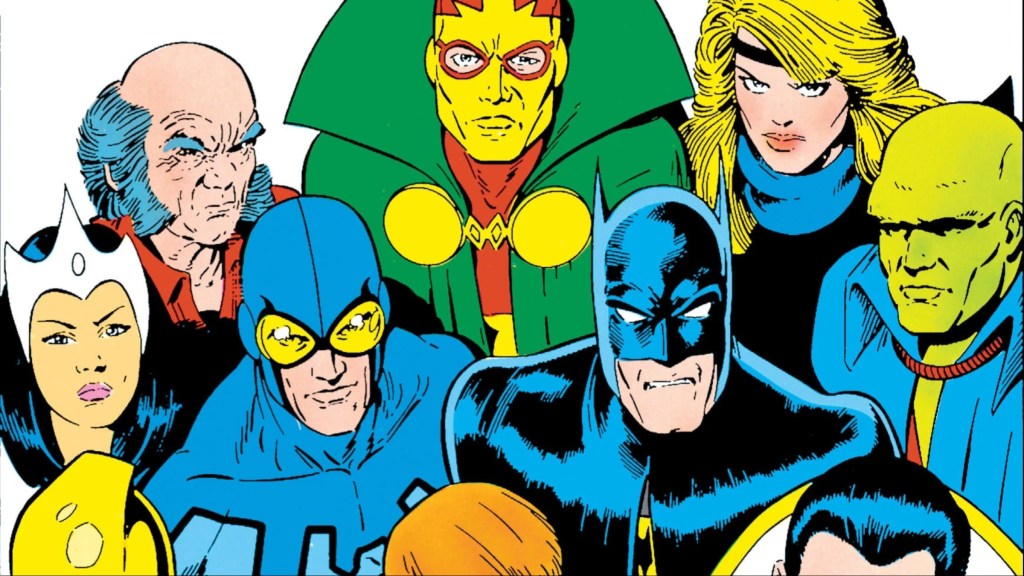
There are several team redefining moments in the Justice League’s history, but one of the most important came from J.M. DeMatteis and Keith Giffen’s run on Justice League International #1-60. The two were most known for working with artist Kevin Maguire, although there were numerous fill-in artists during that time, and together they gave readers one of the greatest League runs ever. They created a team that was more about character interaction than big action, and their book became the greatest superhero comedy of all time. It’s a unique look at the multiverse’s greatest team, one that changed everything about them.
4) Legion of Superheroes (Vol. 3) #1-63
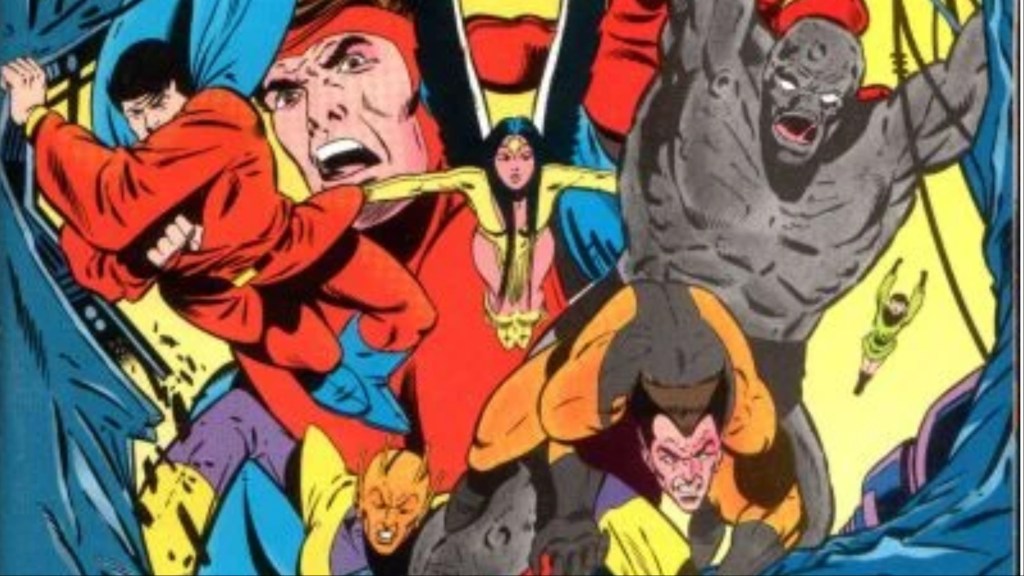
The Legion of Superheroes are the greatest teen team ever, but they’re also one of the most complicated groups in all of comics. There are several great runs that redefined the team, but the best of these is easily Legion of Superheroes (Vol. 3) #1-63. This was the later phase of the Paul Levitz, Keith Giffen, and Larry Mahlstedt run, taking the team through Crisis and up to the Five Years Later Legion. It represents the team’s greatest maturation, and is the last gasp of greatness from the greatest heroes of the 30th century.
3) New Teen Titans #1-140
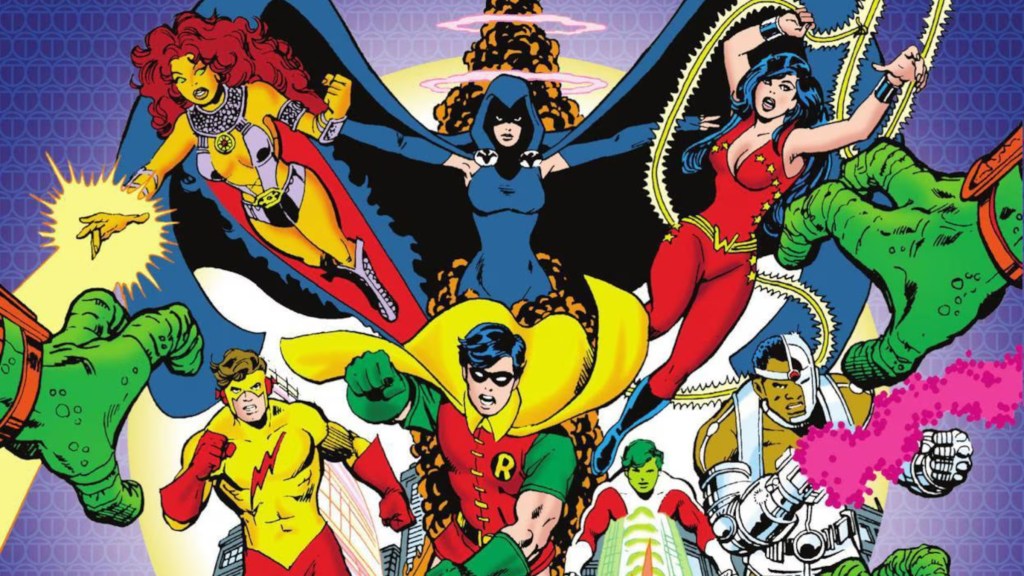
New Teen Titans wouldn’t be where they are today without writer Marv Wolfman, who along with co-plotter/artist George Perez, brought the team back to prominence in the 1980s. Wolfman wrote the team for a 140 issues, redefining classic characters like Dick Grayson, Donna Troy, and Wally West, as well as introducing all-new characters like Cyborg, Raven, Starfire, Deathstroke, Jericho, and loads others, evolving them over the years. The later phases of the run aren’t nearly as great as the earlier ones, but this book is the one that set the standard for every Titans book that came after it, creating a new legacy for the team.
2) Doom Patrol (Vol. 20 #19-63

The Doom Patrol has long been a rather tough nut to crack. They were meant to be the weirdest team in comics and their Silver Age adventures nailed this tone, but DC kept trying to bring them back as a standard superhero team. This predictably failed, so they turned to Scottish scribe Grant Morrison. Morrison wrote Doom Patrol (Vol. 2) for 44 issues, taking the team back to its roots. Morrison’s run dug into trauma and found family, and was a book that resonated with all kinds of fans. It led to some of the most bizarre stories in DC history, and showed that the Doom Patrol was unlike any other team out there.
1) Swamp Thing (Vol. 2) #20-64
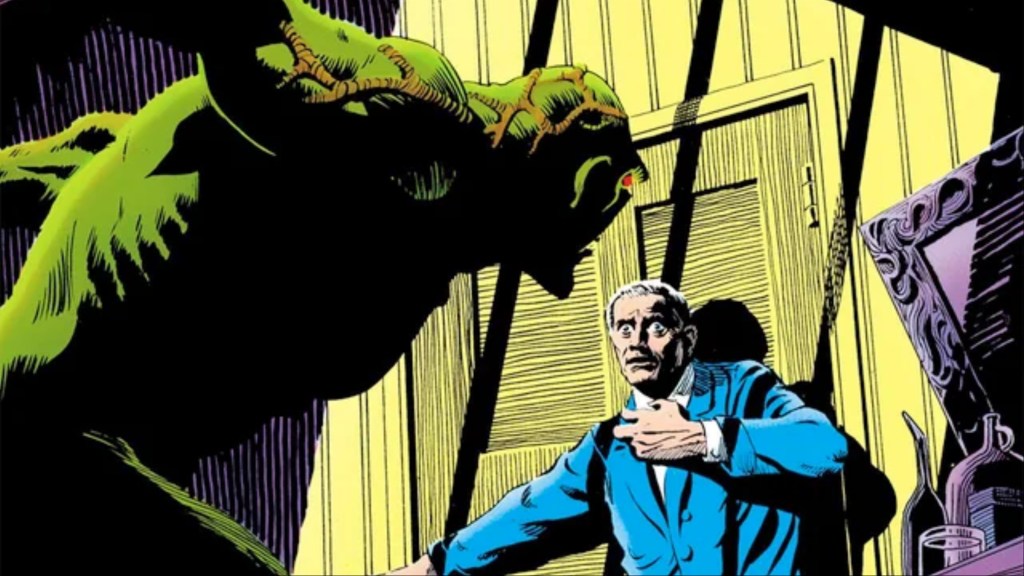
Swamp Thing was part of the return of horror comics in the ’70s, but the character would fade away. An ’80s reboot was attempted, one that would have failed unless it was for the addition of writer Alan Moore to the book. Moore immediately changed everything about the character, transforming him from a man who became a monster to a monster that thought he was a man. Moore told amazing stories, full of emotion and suspense, commenting on the state of the world through the book. Swamp Thing (Vol. 2) #20-64 changed comics forever, presaging a new kind of superhero comic.
What DC comic do you think redefined characters? Leave a comment in the comment section below and join the conversation on the ComicBook Forums!
More Comics
-
Image Courtesy of Marvel Comics -
Image Courtesy of Marvel -
Image Courtesy of Marvel Comics -
Image Courtesy of Marvel -
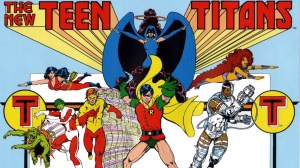
Image Courtesy of DC Comics -
Image Courtesy of DC Comics -

Image Courtesy of DC Comics -
Image Courtesy of Marvel Comics
