Marvel’s alternate realities were a groundbreaking concept in comic book storytelling. Introduced primarily through the What If? series in the 1970s and 1980s, these alternate realities allowed Marvel to explore bold, imaginative scenarios without disrupting the continuity of their main universe, Earth-616.
Videos by ComicBook.com
These early experiments with storytelling helped showcase the versatility of Marvel’s characters, as familiar heroes were thrust into wildly different circumstances, offering fresh perspectives on their powers and moral choices. These stories often delved into darker or more tragic outcomes, which would have been unthinkable in the main continuity at the time.

10. Earth-79101 (What If? Vol. 1 – Conan the Barbarian in the Modern Age)
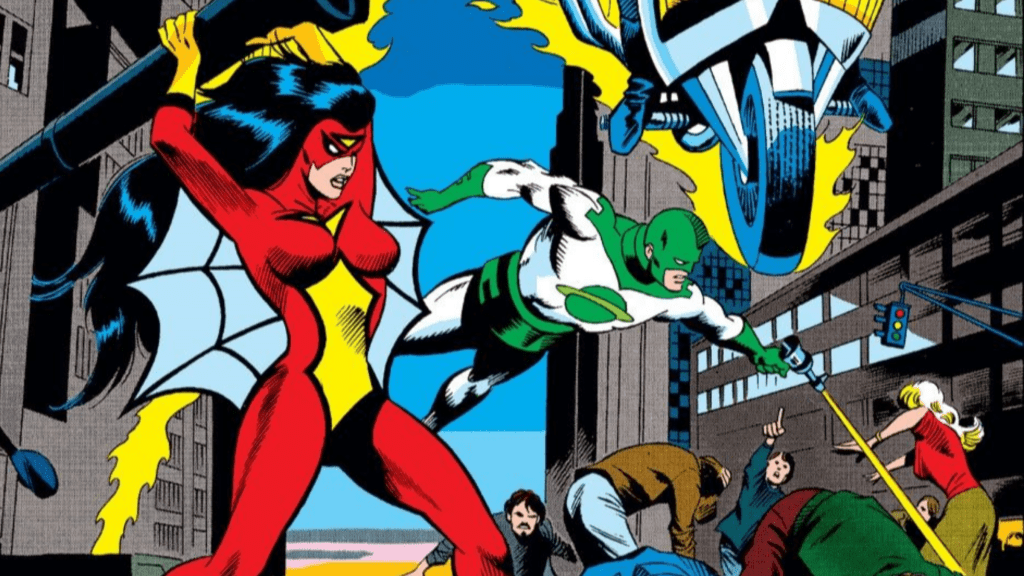
Marvel’s What If? series was one of the earliest explorations of alternate realities, and Earth-79101 stands out as a fascinating scenario where Conan the Barbarian is transported to 1970s New York. This story flips the sword-and-sorcery genre on its head, placing Conan among skyscrapers and cars, exploring how a barbarian might adapt to a world of law and technology. While fun and inventive, this reality serves more as a character study than a deeply fleshed-out world, though it remains a cult classic for its sheer originality.
9. Earth-238 (Captain Britain – The Crooked World)
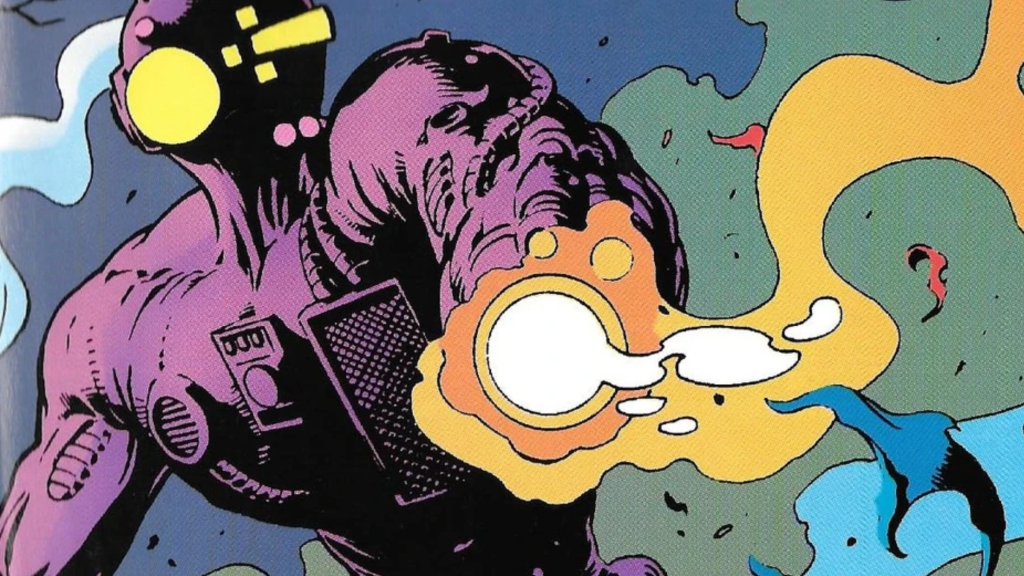
Earth-238, also known as the “Crooked World,” debuted in the UK’s Marvel Super-Heroes #377 and is one of Marvel’s earliest examples of a truly surreal alternate reality. Ruled by the reality-warping tyrant Mad Jim Jaspers, this dystopian universe features a nightmarish tone that set it apart from more grounded stories. Unlike many other realities that faded away, Earth-238 was deliberately erased by the Mandamus Council to prevent its “chaos-warp” from infecting the rest of the Multiverse, leaving the deadly cyborg known as The Fury as its sole survivor.
8. Earth-78411 (Dinosaur World)
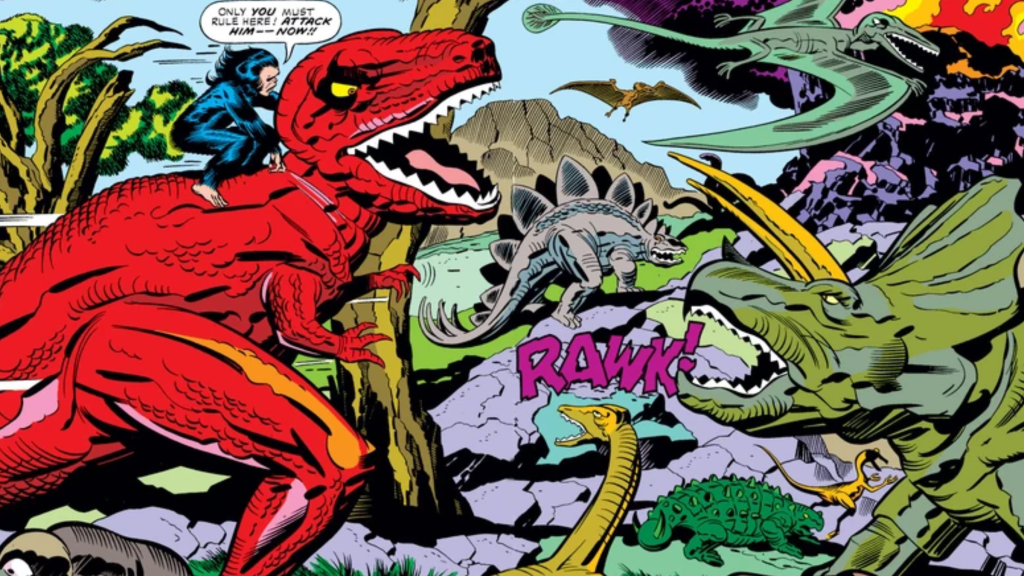
Earth-78411 is the prehistoric alternate reality that debuted in Devil Dinosaur #1 (1978), created by the legendary Jack Kirby. This world focuses on the bond between Devil Dinosaur and his companion, Moon-Boy, offering a vibrant, “Kirby-esque” spin on a primitive Marvel Universe. While its stories are largely self-contained, Earth-78411 demonstrated Marvel’s willingness to build compelling, standalone worlds that didn’t rely on the presence of established Avengers or X-Men.
7. Earth-788 (What If Jane Foster Had Found the Hammer of Thor?)

This alternate reality, introduced in What If? #10 (1978), imagines a world where Jane Foster, not Donald Blake, becomes the wielder of Mjolnir. Taking the name Thordis, she proves herself a worthy Goddess of Thunder decades before Jane Foster officially took the mantle in the main continuity. This story is a landmark example of how the Multiverse could be used to challenge traditional gender roles and provide fresh perspectives on the nature of “worthiness.”
6. Earth-905 (What If the Avengers Fought the Kree-Skrull War Without Rick Jones?)
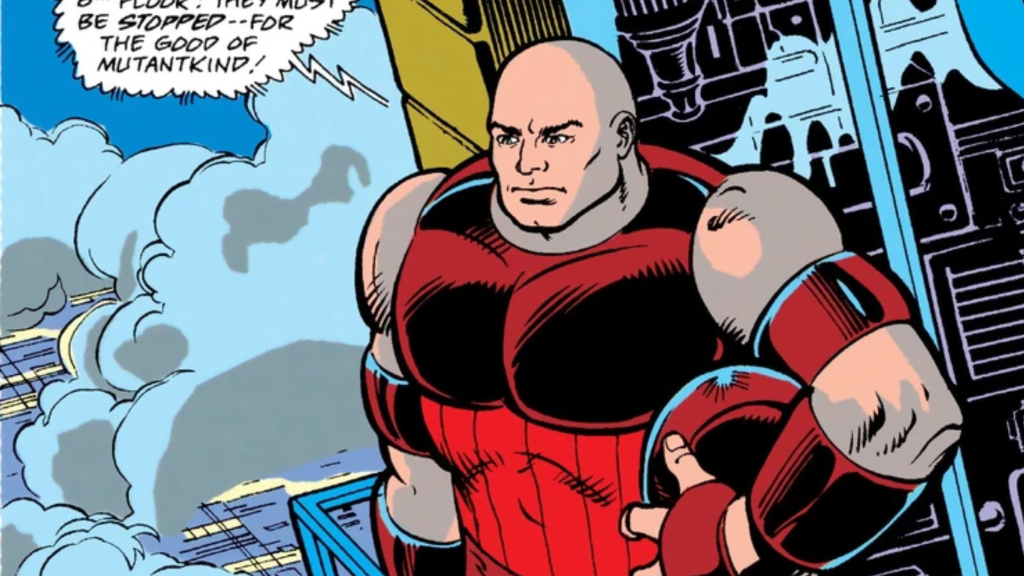
Featured in What If? #19 (1980), this reality explores the catastrophic consequences of removing a single human from a cosmic conflict. Without Rick Jones to trigger the Destiny Force, the Avengers fail to stop the Kree-Skrull War, leading to a much darker timeline where the heroes suffer devastating losses. This reality serves as a poignant reminder of the “butterfly effect” and the hidden importance of Marvel’s non-powered supporting characters.
5. Earth-811 (Days of Future Past)
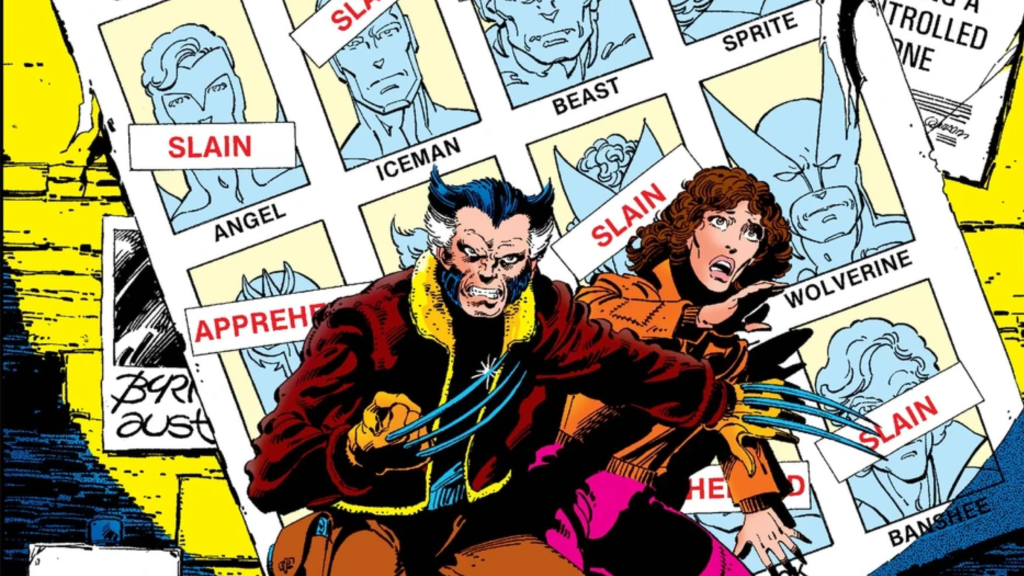
Earth-811 is one of the most iconic dystopian futures in comic history, introduced in Uncanny X-Men #141-142 (1981). In this timeline, the assassination of Senator Robert Kelly triggers a wave of mutant-hunting Sentinels that eventually conquer North America. The emotional weight of seeing beloved characters like Wolverine and Storm older, battle-scarred, and desperate set a new standard for high-stakes storytelling in the Marvel Multiverse.
4. Earth-295 (Age of Apocalypse)
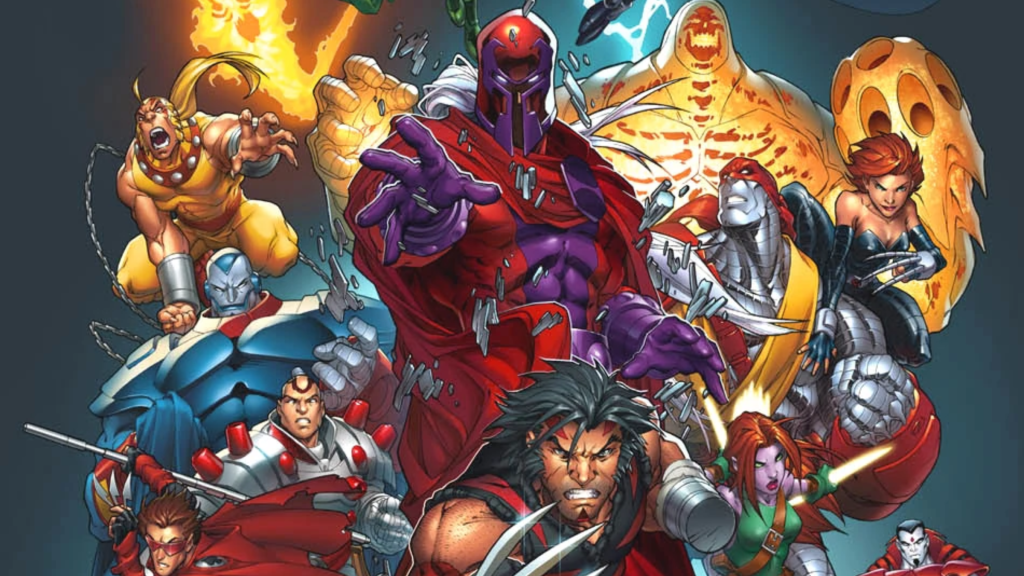
First introduced in X-Men: Alpha #1 (1995), Earth-295 is a reality born from a temporal paradox. Legion accidentally kills his father, Charles Xavier, in the past. This leads to a world where the villain Apocalypse conquers the planet before the X-Men can ever truly form. It reimagined familiar heroes in brutal new roles — most notably Magneto leading the resistance — and remains one of the most successful and expansive “alternate world” events Marvel has ever produced.
3. Earth-1610 (The Ultimate Universe)
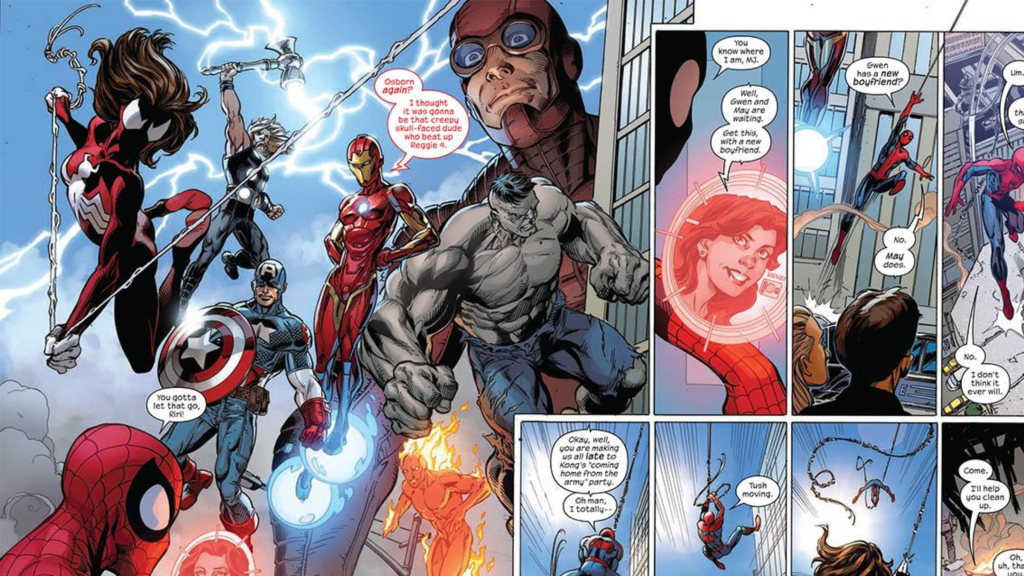
Debuting in Ultimate Spider-Man #1 (2000), Earth-1610 was a bold experiment to modernize Marvel’s icons for the 21st century. It featured grittier storytelling and permanent consequences, such as the actual death of Peter Parker. It is perhaps most famous for introducing Miles Morales to the Multiverse, a character who became so popular he was eventually migrated into the main Marvel continuity.
2. Earth-712 (The Squadron Supreme)
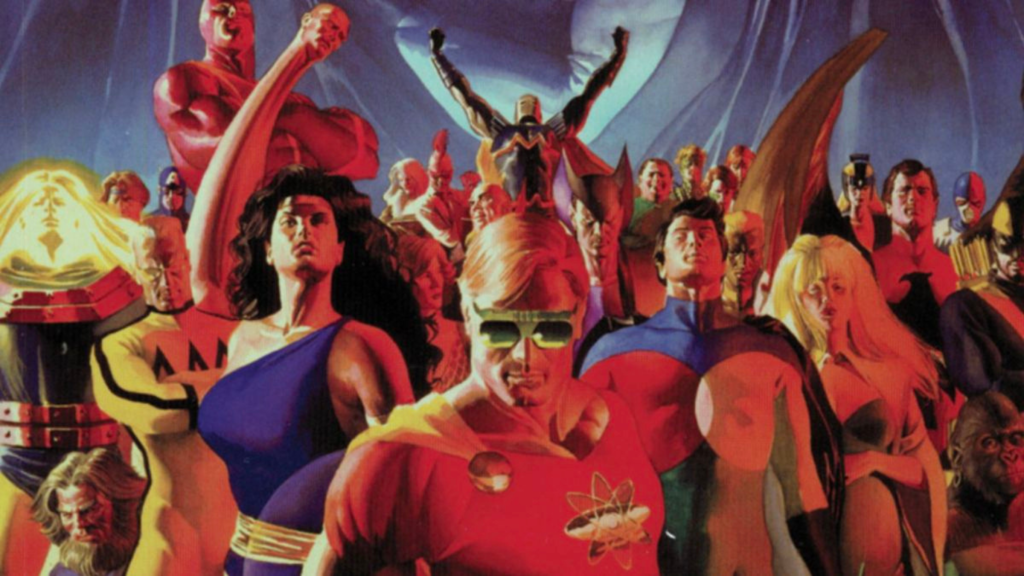
Earth-712, first appearing in The Avengers #85 (1971), is home to the Squadron Supreme— Marvel’s deliberate homage to DC’s Justice League. This reality is famous for the 1985 miniseries that explored the ethical pitfalls of “utopia,” as the heroes took total control of the government to solve the world’s problems. It remains one of the most sophisticated and thought-provoking explorations of superhero morality ever written.
1. Earth-616 (The Foundation of the Multiverse)
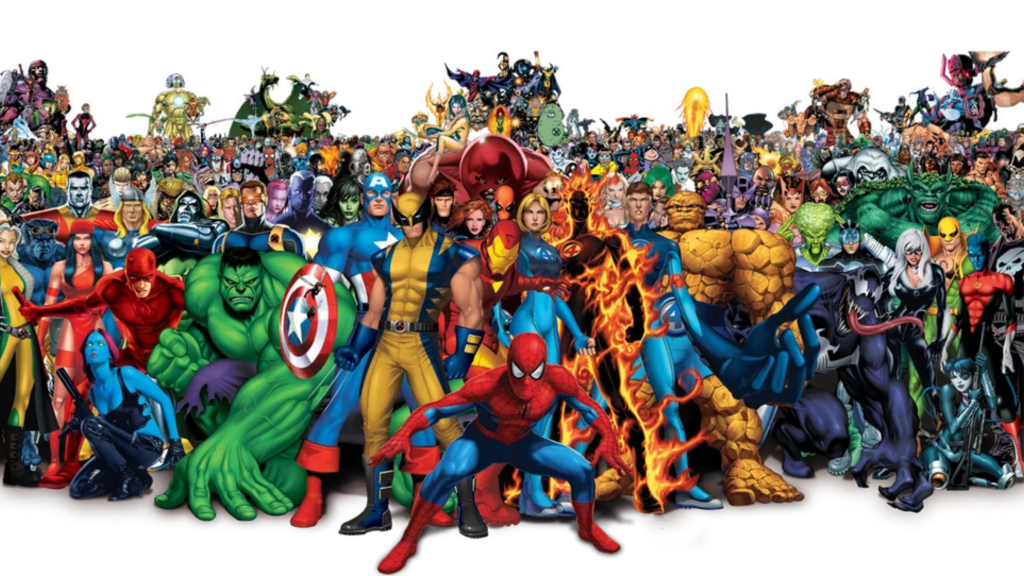
While Earth-616 is the “main” Marvel Universe, it was first given its numerical designation in the 1983 UK comic The Daredevils #7 by writer Alan Moore. By labeling the primary setting with a seemingly random number, Marvel established that their main universe was merely one of an infinite many. This humble designation turned the Marvel Universe into a Multiverse, providing the structural framework that allows every other reality on this list to coexist.
What do you think? Leave a comment below and join the conversation now in the ComicBook Forum!
Most Viewed
-

Sony Pictures -
Image Courtesy of Marvel Comics -

Image courtesy of The Pokemon Company -

Image Courtesy of HIDIVE -
Image Courtesy of Netflix -

Image Courtesy of Marvel Studios